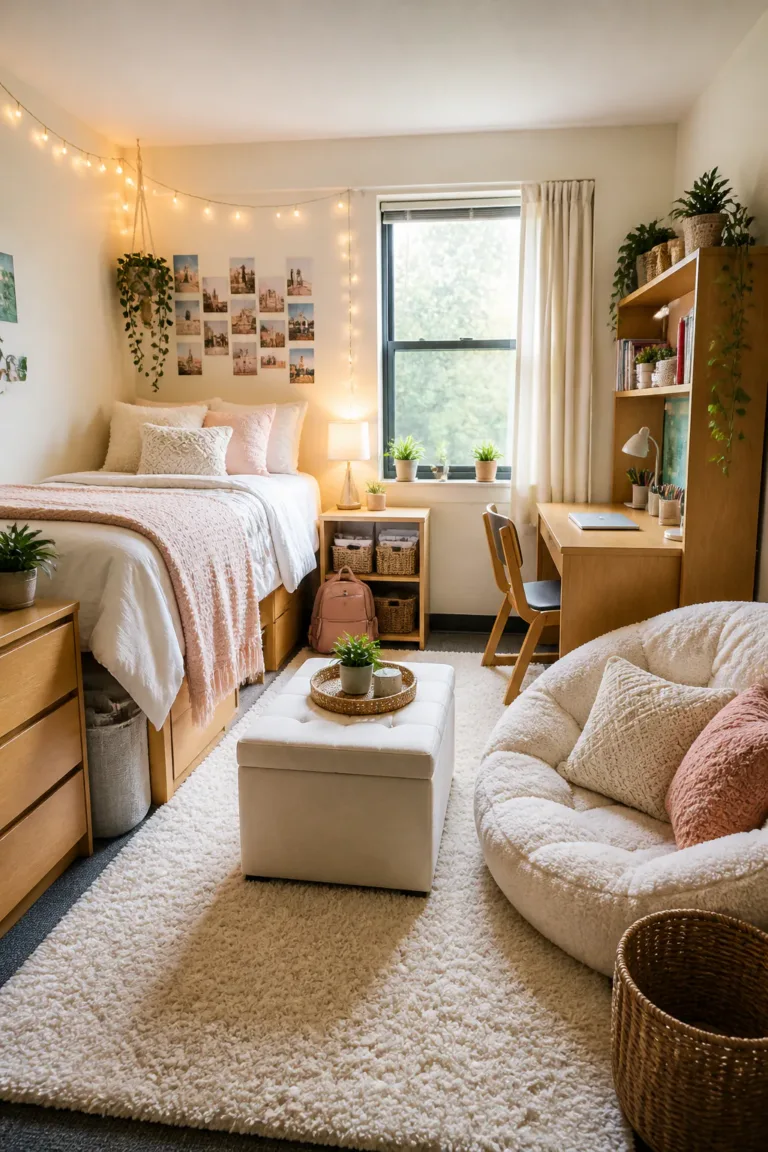
13 Clever Small Apartment Decorating Ideas
Small apartments can feel comfortable and personal without making every room feel crowded. The key is to choose details that make better use of the space you already have, whether that means freeing up the floor, reflecting light, or giving one area more than one purpose.
These small apartment decorating ideas focus on practical changes for living rooms, bedrooms, studios, and entryways. Some are easy styling updates, while others may call for a little planning or installation.
Use the ideas that suit your layout, rental rules, and everyday routines. Even one thoughtful change—like raising a curtain rod or moving a lamp to the wall—can make a compact home feel more open and easier to use.
Quick Answer
The best small apartment decorating ideas make each piece do more and keep the floor visible. Mount curtains high and wide, place a floor mirror opposite a window and paint in soft white to add light; choose a raised-leg sofa, glass-top coffee table or lift-top table desk to save space; and use floating shelves, door organizers, pocket doors and area rugs to add storage and define zones.
1. Add a Lift-Top Coffee Table Desk

Best for: Working from home in a small living room
Effort: Under an hour
A lift-top coffee table gives your living room a flexible surface that can serve as a desk, dining spot, or place to sort mail. When the top is lowered, it keeps the familiar footprint of a coffee table; when raised, it brings a work surface closer to sofa height. That can be especially useful in a studio or a home without a separate office.
Some lift-top tables also have hidden storage beneath the top, which can help corral notebooks, chargers, or remote controls. The idea works best when the table can be reached comfortably from the sofa and still leaves enough room to walk around it.
Choose a table that suits your layout
Check the table’s dimensions in both its lowered and raised positions. Leave room for the top to lift freely, and consider whether the raised surface will feel stable for the tasks you plan to do.
- Measure the sofa-to-table distance before choosing a size.
- Look for a finish that complements your existing furniture.
- Use a small tray to keep everyday work items together.
When work is done, lower the top and return the room to its relaxed living-room setup.
2. Mount Curtains High and Wide

Best for: Making ceilings and windows look bigger
Effort: An afternoon project
Mounting curtain rods above and beyond the window frame can make a compact room feel taller and more expansive. The fabric draws the eye upward, while panels that extend past the sides of the window create a wider visual frame. This is a useful decorating trick in living rooms and bedrooms where the window is a main focal point.
High, wide curtains can also let more daylight into the room when they are open, since the panels sit outside the glass instead of covering its edges. Before installing a rod, check the wall space and make sure the curtains won’t interfere with furniture, doors, or trim.
Get the placement right
Choose a rod long enough to let the panels stack clear of the window. The exact height depends on your ceiling, window trim, and curtain length, so measure before buying or hanging anything.
- Use panels long enough to reach the floor or sit just above it.
- Extend the rod beyond the frame on both sides.
- Choose a simple rod that won’t compete with the fabric.
The result feels intentional and airy, even when the room itself is small.
3. Place a Floor Mirror Opposite a Window

Best for: Dark rooms with one window
Effort: Under an hour
A large floor mirror placed across from a window can reflect daylight deeper into a room. It also creates another view of the space, which may make a small living room, bedroom, or entryway feel less closed in. The mirror works best when it reflects something pleasant, such as a window, a plant, or a tidy part of the room.
Think about what the mirror will show before settling on its position. Reflecting clutter can make the room feel busier, and a mirror that blocks a walkway can be awkward in daily use. A leaning floor mirror is easy to reposition, while a wall-mounted one may be a better fit where floor space is tight.
Make the reflection work for you
Place the mirror where it can catch natural light without causing uncomfortable glare. If you lean it against the wall, use a secure setup appropriate for your home and the mirror’s weight.
- Position it opposite or at an angle to a window.
- Keep the reflected view relatively calm and uncluttered.
- Choose a frame that complements nearby furniture.
A well-placed mirror adds function while helping the room feel brighter and more open.
4. Build a Wall of Floating Shelves

Best for: Storage and display in one
Effort: A weekend project
Floating shelves make use of vertical wall space for books, plants, and favorite objects without adding a bulky bookcase to the floor. They can work above a desk, beside a sofa, or in a narrow area where a deeper storage unit would interrupt the flow of the room. Keeping the floor clear can make a compact space feel easier to navigate.
A group of shelves can be arranged in a neat column or spaced to fit the things you want to display. The goal is useful storage, not filling every open patch of wall. A mix of books and a few decorative pieces gives shelves purpose while keeping them from looking crowded.
Plan the shelves before hanging
Measure the wall and consider how far shelves will project into the room. Use hardware suited to your wall type and the items you plan to store, and follow installation guidance carefully.
- Place frequently used items at an easy-to-reach height.
- Leave some open space between displayed objects.
- Group items by use, color, or size for a calmer look.
- Keep heavier objects on shelves designed to support them.
Thoughtfully arranged, shelves bring storage upward and leave more room below for everyday living.
5. Paint the Living Room Soft White
Best for: Brightening a dim apartment
Effort: A weekend paint project
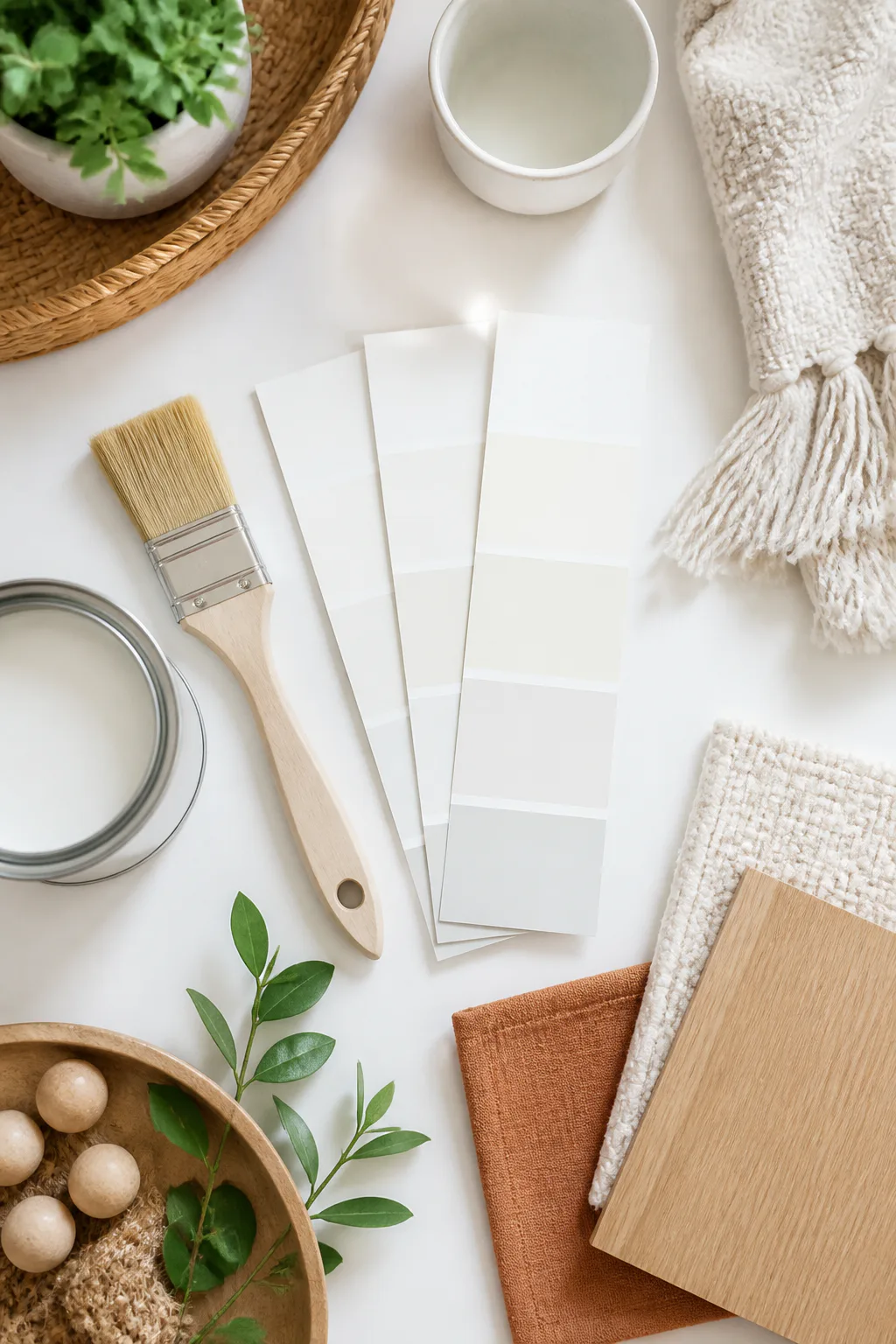
Soft white walls can make a small living room feel lighter and more open by giving daylight a bright surface to reflect from. Unlike a stark, high-contrast backdrop, a warmer or softer white can feel welcoming alongside wood, textiles, and colored accents. It also gives you flexibility to change pillows, art, or accessories without repainting.
White paint is not one-size-fits-all: the light in your room and the colors of nearby finishes can affect how it reads. Test a few samples on different walls and look at them throughout the day before choosing. This is especially helpful in rooms that receive limited natural light.
Build a soft, cohesive palette
Pair the walls with a few complementary tones rather than adding many competing colors. Texture can bring depth to a light room through curtains, rugs, cushions, and natural materials.
- Compare paint samples in morning and evening light.
- Use warm or cool accents that suit the chosen white.
- Add texture so the room feels layered, not bare.
A light backdrop can help the room feel calm while letting furniture and personal details stand out.
6. Add a Glass-Top Coffee Table

Best for: Keeping a crowded room feeling open
Effort: Under an hour
A glass-top coffee table keeps sightlines open in a small seating area. Because you can see through the top, the table often feels less visually heavy than a solid piece of similar size. This can be helpful when a compact living room already has a sofa, rug, and side chairs competing for attention.
Glass is most effective when the table’s proportions fit the seating group. A table that is too large can still interrupt movement, while one that is too small may not be useful. Consider the base, too: a simple frame can preserve the airy effect, while a sculptural base can add character without hiding the floor entirely.
Balance openness with everyday use
Think about how the table will handle your routine, including snacks, books, and frequent cleaning. If you have children or pets, consider edge shape, stability, and whether glass suits your household.
- Measure the available space between the sofa and other furniture.
- Choose a sturdy base that feels stable on your flooring.
- Use a tray to gather small objects into one tidy grouping.
The transparent surface can keep the seating area visually light without giving up a useful tabletop.
7. Separate Studio Zones with Area Rugs

Best for: Studio apartments
Effort: Under an hour
In a studio, an area rug can mark where one activity ends and another begins without adding a wall. A rug beneath the sofa and coffee table can define a living zone, while a different rug near the bed can make the sleeping area feel distinct. This visual organization helps one open room feel like it has several purposeful spaces.
Rugs can also bring warmth and texture to a studio, but they should work together rather than compete. Repeating a color or material across the different zones creates a sense of connection, even when the rugs have different patterns or textures. Make sure each rug fits the furniture arrangement it is meant to anchor.
Use rugs to guide the layout
Start with the largest activity areas and arrange furniture in relation to each rug. Keep walking paths clear, and choose rug pads where appropriate to help prevent slipping.
- Place the living-room rug beneath the main seating group.
- Use a smaller rug to identify a bedside or dining area.
- Repeat one or two colors across the rugs for cohesion.
- Leave practical clearance around doors and walkways.
With a few well-chosen rugs, a studio can feel organized while remaining open and flexible.
8. Install Swing-Arm Sconces Beside the Bed

Best for: Bedrooms without space for nightstand lamps
Effort: An installation project
Wall-mounted swing-arm sconces move bedside lighting off a small nightstand. This leaves more room for essentials such as a phone, book, or glass of water, while still giving you a light source close to the bed. The adjustable arm can direct light where you need it, making a sconce useful for reading or winding down.
Sconces can suit both a narrow bedroom and a shared sleeping space where table lamps would crowd the bedside surfaces. Before installation, consider the bed’s position, where you like to read, and whether the fixture’s arm will move freely without hitting nearby furniture or artwork.
Plan the placement and wiring
Choose a height that feels comfortable from the bed and check installation requirements before purchasing. If you rent or do not want to change the wiring, look into plug-in options and plan how to manage the cord neatly.
- Position each fixture within easy reach from the bed.
- Check that the arm can adjust without obstructing the walkway.
- Coordinate the finish with other bedroom hardware.
By shifting light to the wall, you can keep the bedside surface simpler and more useful.
9. Create a Vertical Gallery Wall

Best for: Drawing the eye upward
Effort: An afternoon project
A vertical gallery wall draws the eye upward and makes use of wall space that might otherwise go unnoticed. In a compact living room, hallway, or bedroom, stacking framed art can add personality without spreading decor across every surface. The arrangement can be made from photographs, prints, or a mix of pieces that feel connected.
Plan the composition before putting nails in the wall. A narrow arrangement can suit a small stretch of wall beside a doorway, while a wider grouping can sit above a console or sofa. Keeping some consistency in frame color, subject, or spacing helps the display feel deliberate rather than crowded.
Arrange the art with care
Lay the frames out on the floor or use paper templates to test the shape first. Keep the center of the grouping at a comfortable viewing height, adjusting for furniture beneath it.
- Stack smaller works vertically to emphasize height.
- Repeat a frame finish or color to tie pieces together.
- Leave enough breathing room between frames.
- Use wall-safe hanging methods suited to your surfaces.
A thoughtful gallery brings character to the wall while keeping the rest of the room’s surfaces free.
10. Replace Swing Doors with Pocket Doors

Best for: Tight hallways and small bathrooms
Effort: A renovation project
A pocket door slides into the wall instead of swinging into a room, which can reclaim useful floor clearance. This can be helpful where a door’s arc conflicts with a bed, vanity, storage, or a narrow passage. In a small apartment, making the area around a doorway easier to use can improve the flow between rooms.
This is a more involved change than swapping furniture or hanging curtains. Pocket doors need a suitable wall cavity, and existing wiring, plumbing, or structural details may affect whether installation is possible. Renters should get permission before considering permanent alterations, and homeowners may want professional guidance for the planning.
Check the space before committing
Look at the wall where the door would slide and make sure it can accommodate the door and hardware. Consider privacy, sound, and the feel of the handle as part of the decision, not just the saved floor space.
- Check the wall for obstacles and installation limits.
- Confirm the opening will still provide comfortable access.
- Choose hardware that is easy to grip and operate.
When the layout allows it, a pocket door can make a tight transition area feel less crowded.
11. Choose a Raised-Leg Sofa

Best for: Making the floor look bigger
Effort: A furniture swap
A sofa with visible, slender legs leaves more of the floor in view beneath the seat. That open space can make a small living room feel less packed than it might with a sofa that sits directly on the floor or has a heavy skirt. The effect is subtle, but it can help furniture feel lighter within a compact seating area.
Raised legs are also practical when you need to clean beneath the sofa or want to see more of a rug. Look for a shape that suits the scale of your room: a streamlined sofa may feel easier to place than a deep, bulky design, especially where walkways are narrow.
Keep the whole seating area in balance
Measure the sofa’s width and depth, and check that the legs provide the stability you need. Pair the piece with other furniture that has some open space beneath it, rather than filling the room with solid, floor-level shapes.
- Measure doorways and walking paths before buying.
- Choose legs that feel sturdy and suit the sofa’s size.
- Keep nearby tables visually simple and appropriately scaled.
An elevated silhouette can help the room feel more open while still offering comfortable seating.
12. Turn the Back of a Door into Storage
Best for: Renters short on closet space
Effort: Under five minutes
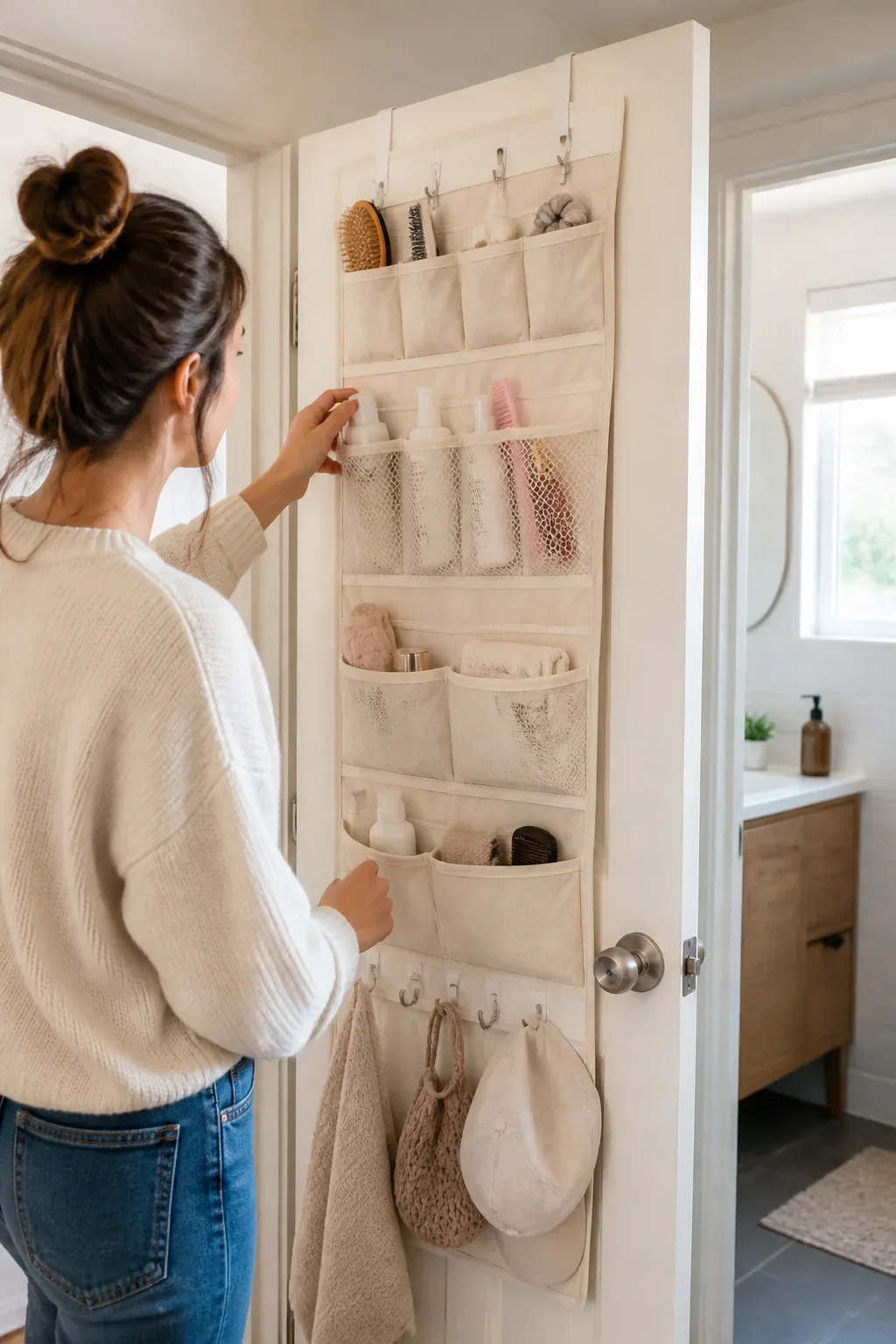
The back of a door is often unused, yet it can hold useful storage in a kitchen, bathroom, bedroom, or entryway. An over-the-door organizer can keep small supplies together without taking up a drawer or adding another freestanding unit. This is particularly helpful in apartments where closets and cabinets are limited.
Choose an organizer based on what you need to store and how often you need to reach it. A pocketed style may work for lightweight accessories, while shelves or hooks can suit other household items. Check that the door can still close fully and that the organizer will not damage the finish.
Make the hidden storage easy to use
Group similar items together and avoid overfilling the pockets. If a door is in a busy passage, keep the organizer slim so it does not interfere with movement or nearby handles.
- Use a bathroom organizer for grooming or cleaning supplies.
- Store entryway essentials such as hats or small accessories.
- Keep frequently used items in the easiest-to-reach sections.
- Check door clearance before adding hooks or shelves.
This small change turns an overlooked surface into practical storage while keeping the room’s floor clear.
13. Frame the Window with Sheer Linen Panels

Best for: Soft light and privacy
Effort: Under an hour
Sheer linen panels soften a window while allowing daylight to filter into the room. Their light texture can frame the glass without the visual weight of heavy, opaque drapes, which is helpful in a small living room or bedroom. They also bring a relaxed, finished look to a space where bare windows might feel stark.
Sheers provide a degree of visual screening, but the amount of privacy depends on the light and what is outside. Consider layering them with another treatment if you need more coverage at night. Choose a panel length and fullness that suit the window and the way you plan to open and close the curtains.
Keep the window treatment airy
Hang the panels high and let them fall neatly toward the floor. A simple rod and a soft neutral color can keep attention on the window rather than making the fabric feel like another bulky feature.
- Check how much privacy the fabric provides in your room.
- Choose a length that works with your floor and window placement.
- Use a lining or second layer if you need more light control.
Lightweight panels add softness while preserving the bright, open feeling that helps a compact room breathe.
Frequently Asked Questions
How do I make a small apartment feel bigger?
Mount curtains high and wide, add a mirror opposite a window, paint walls soft white and choose furniture on raised legs so more floor shows.
How do I decorate a studio apartment?
Use area rugs to define the sleeping, living and dining zones, and choose multipurpose furniture such as a lift-top coffee table.
What are renter-friendly small apartment ideas?
Over-the-door organizers, floor mirrors, sheer panels, area rugs and plug-in swing-arm sconces need no permanent changes.
Where can I add storage in a small apartment?
Use vertical space: floating shelves, the backs of doors and furniture with hidden storage.
Final Thoughts
Small apartment decorating is less about fitting in more things and more about making each choice work harder. Lift-top furniture, wall-mounted lighting, door organizers, and floating shelves can add useful function, while mirrors, light colors, sheer curtains, and exposed furniture legs help a room feel visually open.
You do not need to tackle every idea at once. Start with the room or daily routine that feels most cramped, then choose one change that addresses a real need. A few practical adjustments can make your apartment feel more comfortable, organized, and distinctly yours.