

15 Stunning Landscaping Ideas for a More Inviting Yard
A thoughtful landscape can make your yard more comfortable, welcoming, and connected to the way you live. You don’t need to rebuild everything at once: a defined seating area, a few well-chosen plants, or a new path can make a noticeable difference.
These landscaping ideas balance practical features with inviting style, from patios and garden beds to lighting, water, and privacy. Some suit a weekend refresh, while others may take more planning or professional help.
Whether you’re shaping a small backyard or making a larger property feel more organized, start by noticing how you want to use the space. Consider your climate, sun exposure, drainage, and how much ongoing care you’re comfortable with before choosing plants or materials.
Use the ideas that fit your home and adapt the details to your needs. A few connected improvements can make an outdoor space feel cohesive without requiring a complete redesign.
1. Create an Outdoor Living Room

Give your patio the comfort and purpose of an indoor room by arranging weather-resistant seating around a natural focal point, such as a coffee table, garden view, or fireplace. An outdoor living area can become a place to read, share a drink, or visit with friends, rather than just a pass-through between the house and yard.
Define the space with a rug made for outdoor use, large planters, or a change in paving. Integrated low-voltage lighting can make the area usable after sunset while adding a gentle glow. Think about how people will move between the seating, the house, and other parts of the garden.
How to pull it off
Choose pieces suited to local weather, and leave enough room to walk around them comfortably. Layer lighting for both convenience and atmosphere.
- Arrange seats to encourage conversation rather than face them all in one direction.
- Use a shade umbrella or canopy if the patio gets strong afternoon sun.
- Add low-voltage lights near steps and seating for visibility after dark.
Repeating colors or materials from the home’s exterior helps the patio feel like a natural extension of the house.
2. Divide the Yard into Outdoor Rooms
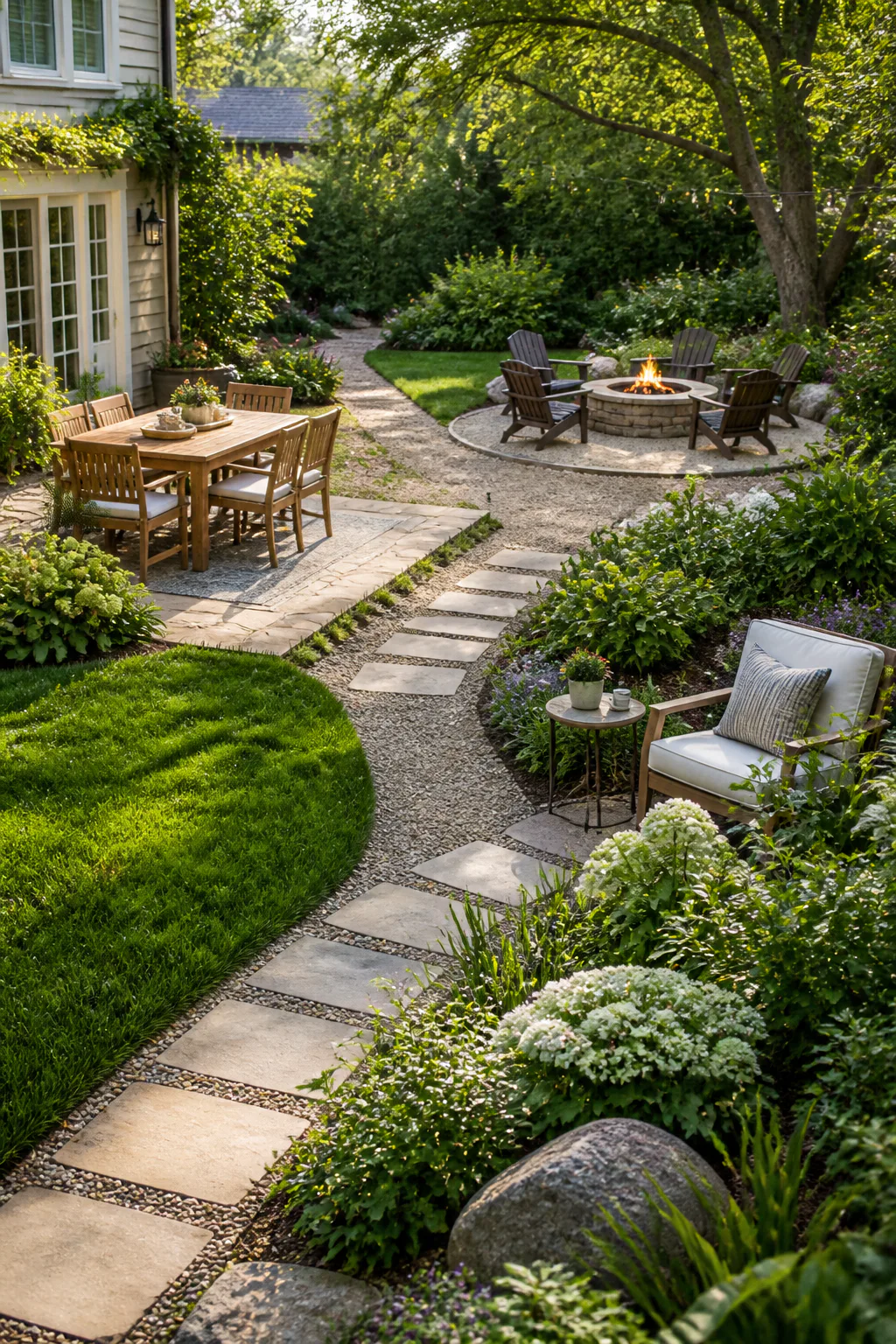
A large or awkwardly shaped yard can feel more inviting when it has distinct areas for different activities. Consider a dining nook near the house, a fire pit area farther out, and a quiet reading corner tucked beside planting. Each zone gets a clear purpose without needing walls or fences.
Paths help connect these outdoor rooms and make the layout feel intentional. They can also guide visitors through the yard, offer a dry route across the lawn, and create a sense of discovery. Keep the connections easy to follow so the spaces feel linked rather than scattered.
Designing connected zones
Start by mapping where you already walk and where sunlight, shade, or views make each activity most comfortable. Then use paving, plants, or furniture to suggest boundaries between areas.
- Place dining close to the kitchen for easier carrying and serving.
- Use a change in paving or a planting bed to separate a lounge from a dining area.
- Keep paths wide and direct enough for everyday use.
A consistent material or repeated plant can tie the different rooms together, even when each one has its own mood.
3. Lay Warm-Toned Natural Stone Pavers
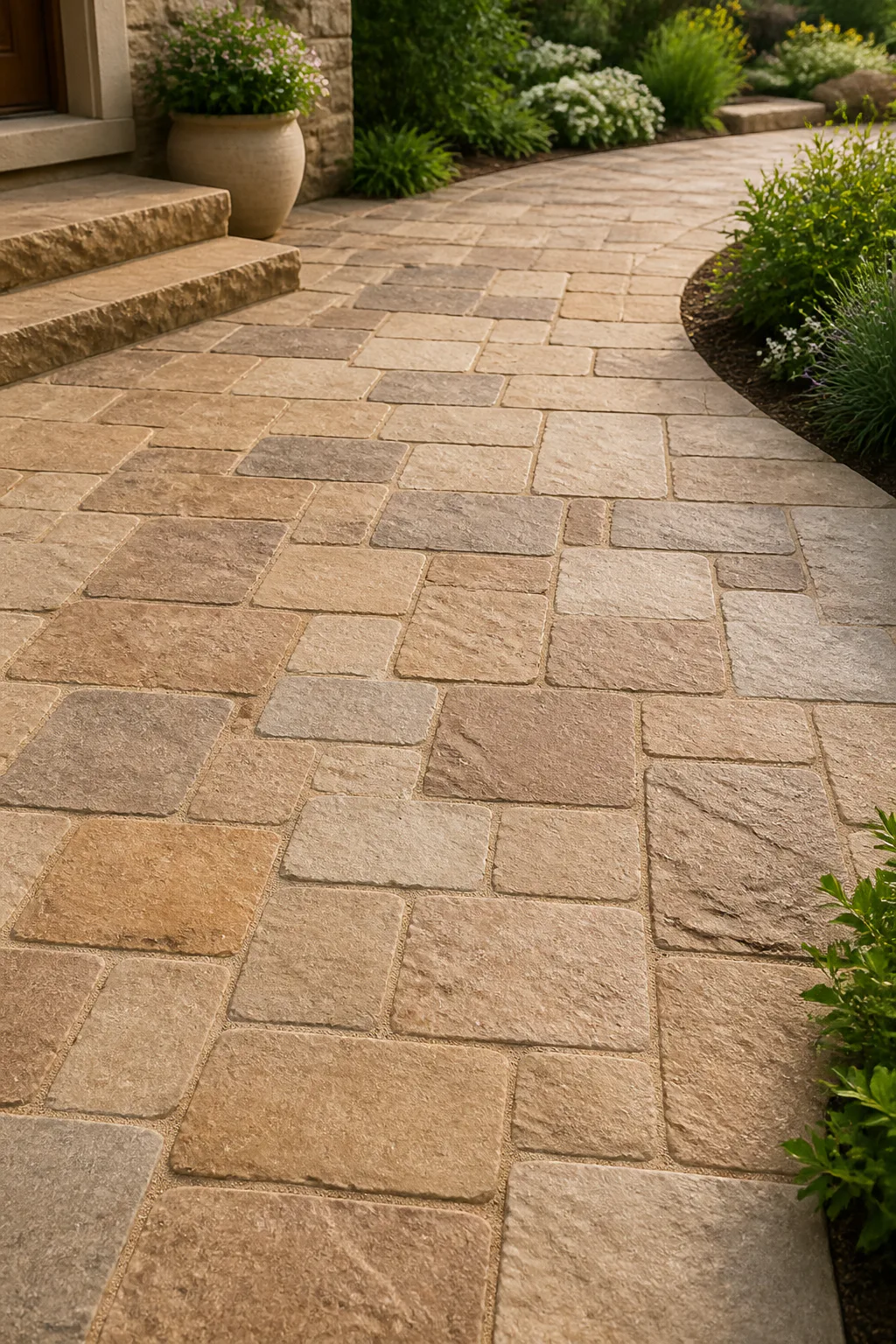
Warm-toned paving can give a patio or walkway a relaxed, established look. Clay, natural stone, and weathered pavers in earthy colors such as taupe and beige often sit comfortably beside greenery and timber. Their softer tones can also make a hardscape feel less stark than a uniform cool-gray surface.
Use the material where it will have the most visual and practical impact, such as a main patio, a garden path, or a transition from the back door to the yard. Texture and color vary between materials, so look at samples outdoors in different light before settling on a finish.
Choosing and placing pavers
Consider how the surface will function in wet weather and how its color relates to your home’s exterior. Proper base preparation and drainage matter as much as the paver itself.
- Compare samples against nearby siding, brick, and garden foliage.
- Choose a surface texture that feels suitable for its location and expected use.
- Plan edges and transitions so paving meets lawn or planting cleanly.
Repeating the same warm stone in a small path or step can make the overall landscape feel more cohesive.
4. Add Built-In Seat Walls Around the Patio

A low seat wall can give a patio a defined edge while offering extra places to sit. It is especially useful when you host gatherings, because it adds seating without requiring a matching set of outdoor chairs. The wall can also help separate a paved area from lawn or garden beds.
Some seat walls include planting space along the back or at the ends, blending stonework with greenery. Use them to frame a patio, guide movement, or create a boundary that feels more open than a tall fence. Make sure the placement does not block a useful route or a favorite view.
Planning for comfort and function
Choose materials that coordinate with the patio and the home. A comfortable seat height and a cap that feels smooth to sit on will make the wall more useful in everyday life.
- Place walls where people naturally gather or pause.
- Leave clear access between seating, doors, and garden paths.
- Use nearby planting to soften hard edges and add seasonal interest.
Because a built-in wall is a lasting feature, plan its shape and drainage carefully before construction begins.
5. Make a Flagstone Path Through Gravel

Flagstones or large geometric pavers set into gravel create a relaxed path that can feel less formal than a solid paved walkway. The gaps give the surface a lighter appearance, while gravel provides a simple visual transition between the stones and surrounding planting. Low-growing thyme can add a soft, planted edge where conditions suit it.
This approach works well for a garden route connecting a patio, shed, or seating area. A gently wandering line can feel natural through planting, while a straighter route may be more practical for frequent trips. Think about whether people will use the path in all seasons and how it will drain.
Building a useful walkway
Set the stones at comfortable intervals and keep them stable underfoot. Prepare the base appropriately, and choose gravel that is suitable for the path’s location and level of use.
- Lay out stones first to test the walking rhythm and overall route.
- Keep the path wide enough for the way people will use it.
- Use edging where needed to keep gravel from spreading into beds or lawn.
A few repeated stones near a patio can visually connect the path to the rest of the hardscape.
6. Plant a Naturalistic Meadow Border

A meadow-inspired border brings movement and a softer outline to a garden. Ornamental grasses, native perennials, and layered shrubs create a mix of heights and textures that looks less formal than a row of identical plants. As grasses sway and flowers change through the seasons, the border can feel lively without relying on a perfectly clipped shape.
This style can soften a fence, edge a lawn, or create a generous planting bed beside a path. It is most successful when plant choices suit local conditions and are given enough room to develop. Native plants can be especially useful to consider, since they are adapted to the region and can support local wildlife.
Creating a balanced planting mix
Arrange plants in loose groups rather than placing each one as a separate specimen. Combine different heights and bloom times, and leave enough space for maintenance access.
- Use grasses for height, movement, and structure.
- Include native perennials suited to the site’s sun and soil.
- Layer shrubs behind shorter flowers to give the border depth.
A clear edge along a lawn or path keeps a naturalistic planting from looking unplanned.
7. Layer Plants for Four-Season Interest

A garden can offer something to notice in every season when plants are chosen for more than their summer flowers. Evergreens provide a steady backdrop, deciduous plants bring changing foliage, and colorful bark or winter seed heads give the landscape detail during colder months.
Place plants in layers so the garden has depth and remains visually appealing as individual species change. This can work in a large border or a compact bed viewed from a window. Think about the view in winter as well as in summer, especially in areas where the garden is visible from indoors.
Building seasonal structure
Start with a few plants that hold their shape through much of the year, then add seasonal color and texture around them. Select varieties that suit your climate and the amount of light the planting area receives.
- Use evergreen shrubs as a reliable foundation.
- Add deciduous plants for foliage changes and seasonal form.
- Leave attractive seed heads or colorful stems in place where appropriate.
Repeating key plants across the yard helps different beds feel related while still offering changing details.
8. Create a Drought-Tolerant Gravel Garden
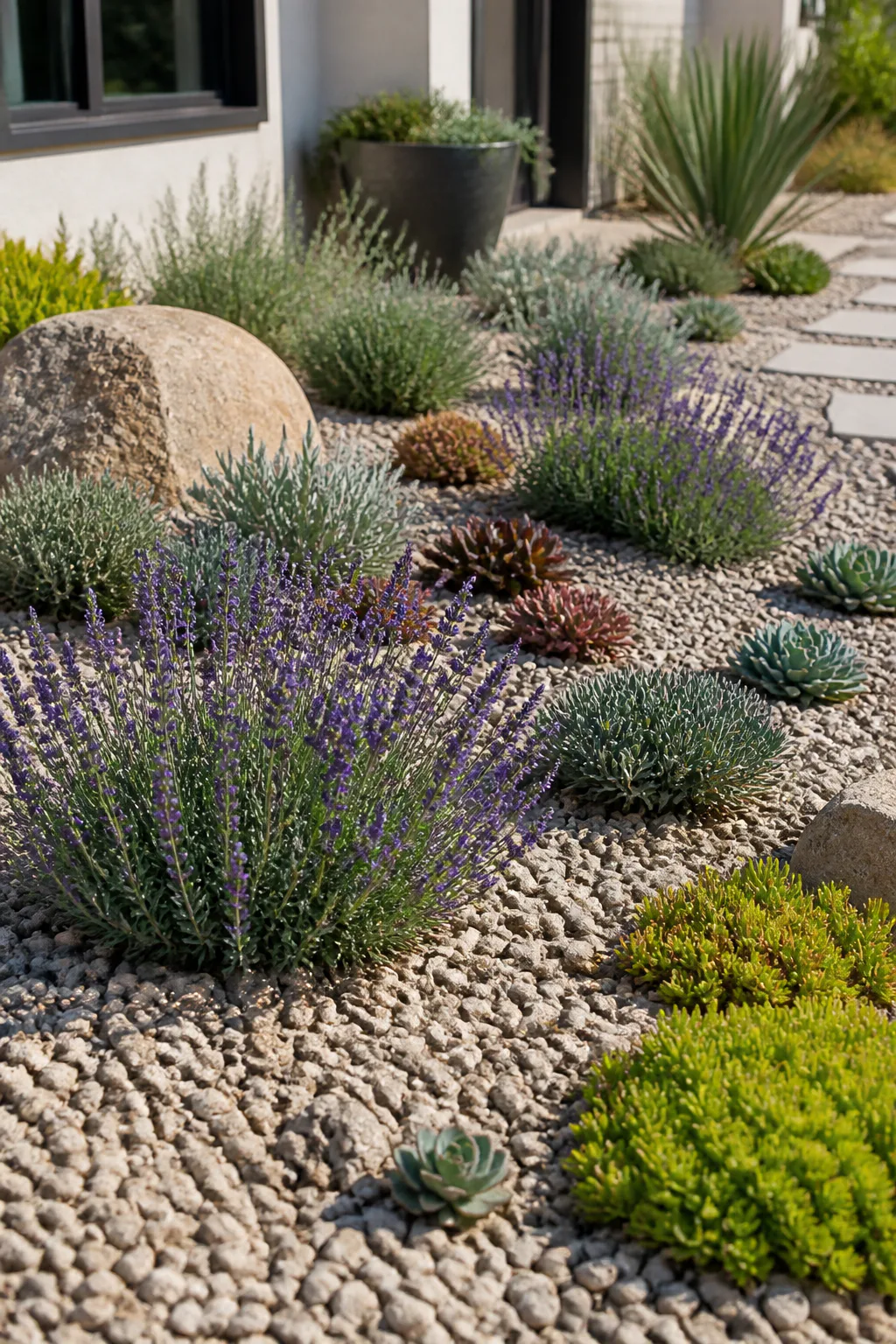
A gravel garden can be a practical option for a sunny, free-draining area where water is limited or regular watering is difficult. Grouping low-water plants such as lavender, sedum, and Russian sage creates texture and color while keeping the planting focused. Gravel also gives the bed a clean, simple surface between plants.
Good drainage and suitable plant selection are essential. These plants are not automatically low-maintenance in every setting, so match them to your climate, soil, and exposure. A gravel bed can work along a driveway, beside a path, or in a sunny part of the yard that is challenging to keep lush.
Setting up the bed
Prepare the soil and choose plants with similar needs so the entire bed can be cared for consistently. Use a gravel type that complements the house and does not overwhelm the planting.
- Group plants in repeating clusters for a composed look.
- Choose species suited to local rainfall, sun, and winter conditions.
- Keep the bed edge defined to prevent gravel from migrating.
Once plants are established, the combination of drought-tolerant choices and free-draining ground can reduce routine watering needs.
9. Plant a Monochromatic Flower Bed

A flower bed built around one color can feel calm and cohesive, even when it includes a variety of plants. An all-white planting might bring a fresh, luminous look, while deep purples and blues can create a richer, more dramatic mood. Focusing on one color family gives the bed a clear visual idea.
To keep the planting from feeling flat, vary flower shapes, foliage, and plant height. A monochromatic scheme can suit a border near a patio, a front entry, or a garden viewed from indoors. Consider how the selected flowers look at different stages of the season, not just when they are in bloom.
Adding depth within one color
Choose plants with overlapping bloom periods and a range of forms. Include foliage that complements the palette so the bed still has texture between flowering moments.
- Pick a color family that works with nearby exterior materials.
- Mix upright flowers with mounding or spreading forms.
- Repeat favorite plants to make the design feel intentional.
A restrained palette can make a varied planting feel polished without requiring every plant to be the same.
10. Cover a Fence with a Vertical Garden

A fence or blank exterior wall can become a greener part of the landscape when you use the vertical space. Trellises, wall planters, and climbing vines add height and soften a hard backdrop, which can be especially helpful in a small yard where ground space is limited.
Vertical planting can also provide a visual screen or make a plain seating area feel more enclosed. Choose a setup that suits the surface and the plants you want to grow. Vines may need support and regular pruning, while wall planters require a way to manage watering and drainage.
Choosing a suitable system
Check the light, wind exposure, and access to water before selecting plants. Make sure any support is installed securely and is appropriate for the wall or fence it will use.
- Use a trellis for climbing plants that need room to spread.
- Choose planters that can be reached for watering and maintenance.
- Select vines suited to your local climate and the available sunlight.
Repeating the same plant in several sections can make a vertical garden look more unified.
11. Uplight Trees and Wash Garden Paths

Landscape lighting can extend the use of outdoor spaces and bring attention to features after dark. A low-voltage uplight aimed at a tree can reveal its trunk and branching shape, while soft path lighting helps people see where they are walking. The goal is a comfortable glow, not a yard filled with harsh glare.
Lighting can also make a patio, entry, or garden path feel connected to the house in the evening. Plan where fixtures will go before installing them, and think about what you want people to see as they move through the landscape. Keep beams directed toward the feature or ground rather than neighboring windows.
Creating a gentle lighting plan
Use a mix of lighting positions to create depth, and test the effect after dark before settling on final placement. Low-voltage systems can be a useful choice for garden accents and paths.
- Uplight a distinctive tree or architectural plant.
- Place path lights where they clarify turns, steps, or edges.
- Use warm, restrained illumination to keep the atmosphere relaxed.
Thoughtful lighting can make familiar garden features feel inviting long after daylight fades.
12. Install a Minimalist Bubbling Water Feature
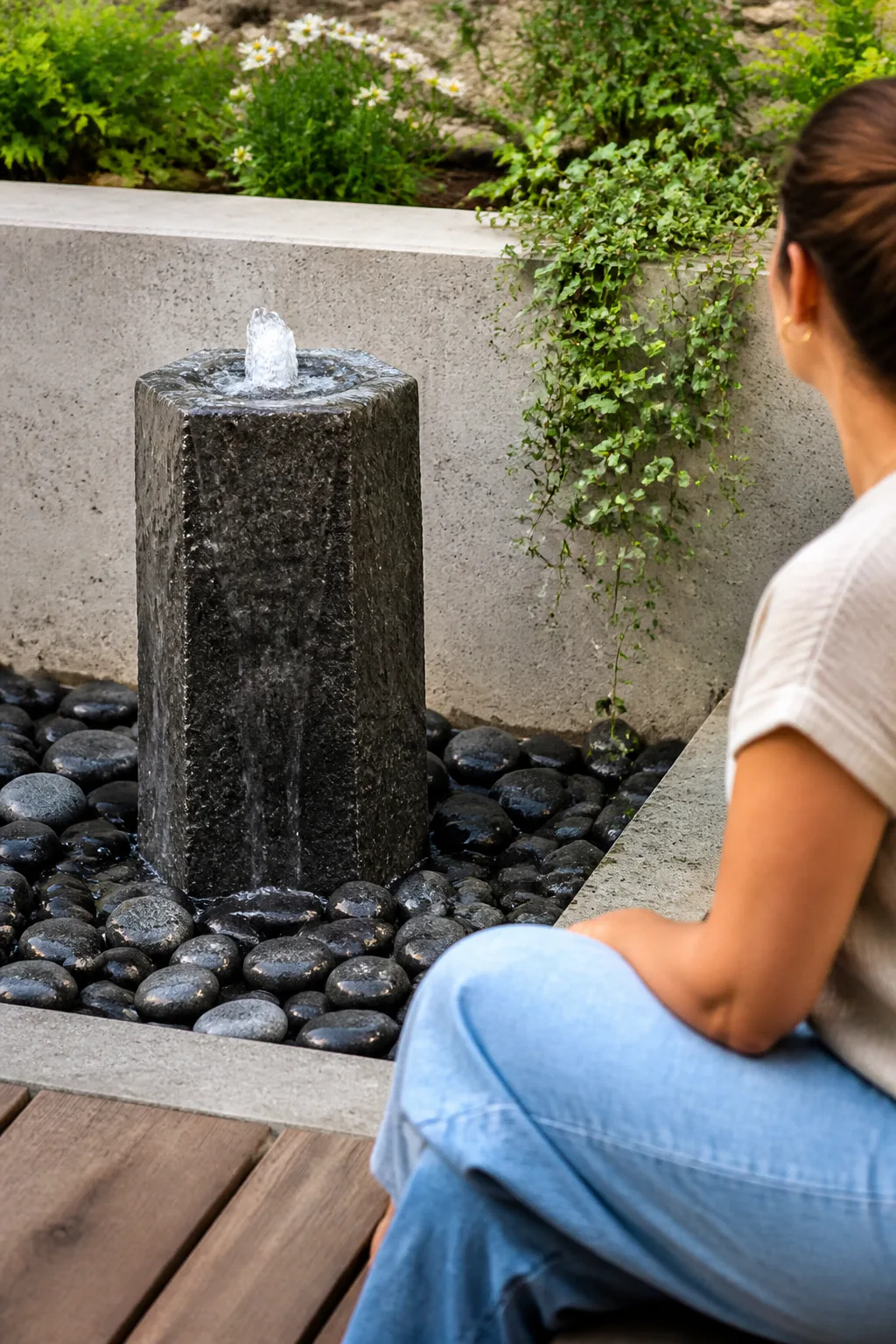
A small water feature can give the garden a calm focal point without taking over the space. A bubbling basalt column or a wall-mounted spillway offers movement and the gentle sound of water in a compact form. It can be especially appealing near a patio or seating area where people can enjoy it while relaxing.
Water features also help draw the eye toward a specific spot, making them useful in a courtyard or a simple garden bed. Consider how the feature will fit with surrounding materials, where the water will circulate, and how it will be maintained. A clean, uncluttered setting lets the form and sound stand out.
Choosing a location
Place the feature where it can be seen and heard from the places you use most. Make sure there is suitable access for installation and ongoing care, and follow the manufacturer’s guidance for the equipment.
- Use stone or a simple wall finish that complements nearby paving.
- Keep the surrounding planting low enough to preserve the focal point.
- Plan for safe access to the pump and other components.
Even a modest water feature can create a distinct mood when it is placed with intention.
13. Anchor the Lawn with a Specimen Tree

A specimen tree can give an open lawn a focal point and bring height to a landscape. Japanese maple, river birch, or flowering dogwood can each offer a distinctive form, though the right choice depends on your climate and growing conditions. A tree also helps make a broad, simple area feel more established.
Set the tree where its shape can be appreciated without blocking useful routes or views. A simple ring of mulch or stone can define the base and make mowing easier, but leave enough room for the tree to grow. Consider its mature size before planting, along with nearby buildings, paths, and overhead lines.
Making the tree a feature
Keep surrounding design relatively simple so the tree remains the main attraction. Choose a location with suitable light and soil, and follow planting and care guidance for the selected species.
- Check mature height and spread before choosing a planting spot.
- Use a restrained mulch or stone ring around the base.
- Keep the tree visible from a patio, window, or main garden path.
A well-placed tree can provide structure and seasonal character for years to come.
14. Make a Fire Pit the Backyard Centerpiece

A fire pit can turn an open patio or lawn edge into a natural gathering place. Whether you choose a gas or wood-burning feature, it gives people a reason to sit together and makes the outdoor space feel useful in cooler weather. Arranging seating around it helps establish the pit as the social center of the yard.
Think about how the fire feature fits into your overall layout. It should connect comfortably to paths and seating, while remaining a safe distance from structures and combustible materials according to applicable guidance. Local rules may affect the type of fire feature you can use, so check requirements before installation.
Planning a comfortable gathering spot
Leave enough space around the pit for people to move and sit comfortably. Choose paving and furniture suited to the location, and consider whether you want the fire area to feel open or more enclosed.
- Arrange seats so guests can see one another and the fire.
- Use a durable, level surface around the feature.
- Check local safety rules and manufacturer instructions before use.
With thoughtful placement, the fire pit can anchor the yard without competing with its other features.
15. Create a Living Privacy Screen
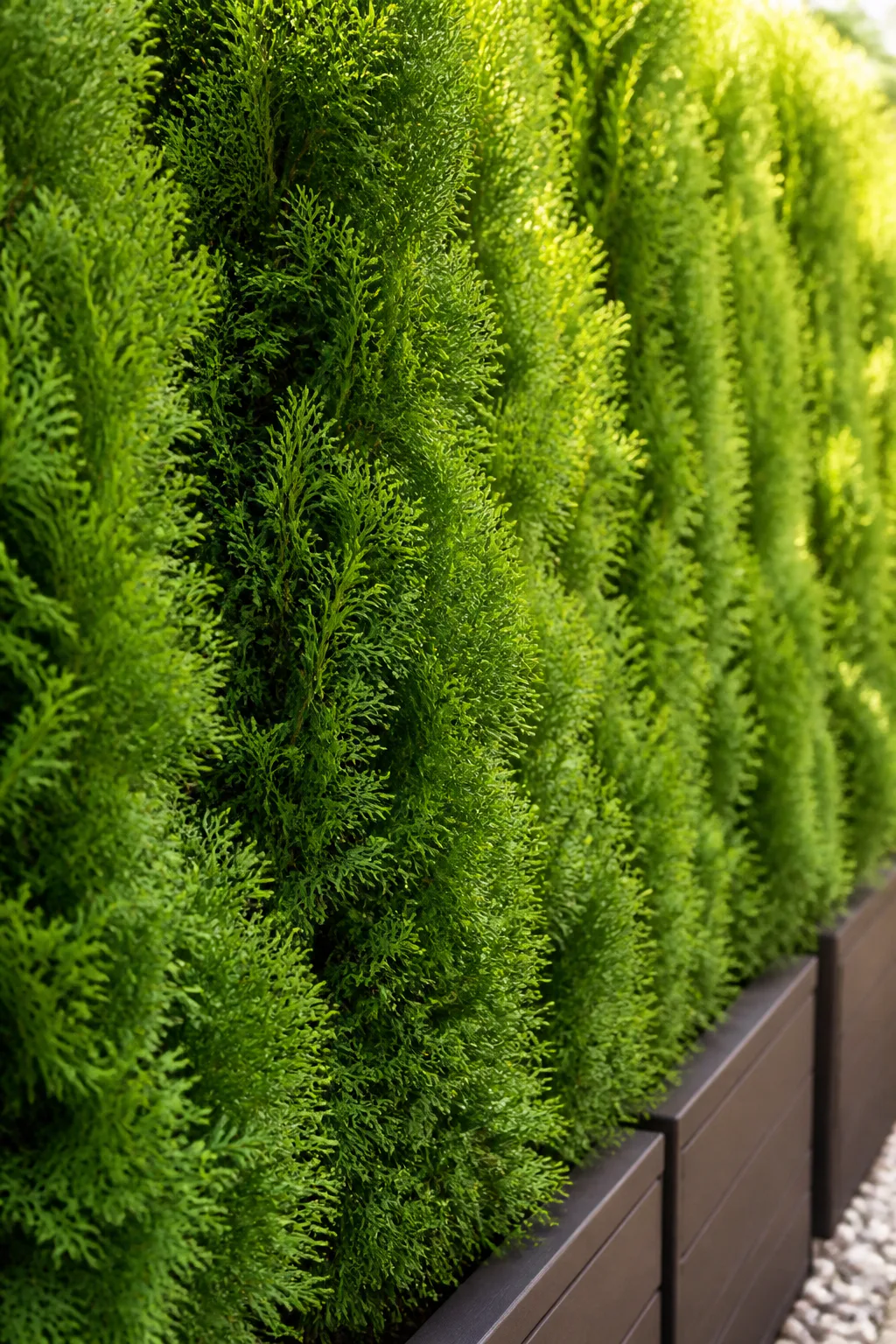
Greenery can soften a stark fence while creating a more private feeling outdoors. A dense hedge of arborvitae or laurel, or bamboo grown in suitable planters, can provide a living backdrop for a patio or garden seating area. The foliage adds texture and color, making the boundary feel more connected to the landscape.
Choose plants with the space and maintenance needs in mind. A screen should provide the coverage you want without blocking essential light or crowding paths. Check how large plants are expected to grow, and consider whether a container or an in-ground planting is more appropriate for your yard.
Choosing and maintaining a screen
Match the plant to your climate, soil, and available sunlight. Regular attention to watering, pruning, and plant health will help the screen stay attractive and effective.
- Measure the area and plan for the plants’ mature width and height.
- Use planters where in-ground planting is not practical.
- Keep the screen trimmed enough to preserve paths and nearby views.
A living boundary can make a seating area feel sheltered while bringing more greenery into the yard.
Final Thoughts
The most successful landscaping ideas are the ones that suit your yard, your climate, and the way you want to spend time outside. A patio, layered planting, path, or carefully placed focal point can each make a meaningful difference without requiring a full redesign.
Start with one improvement that solves a real need, then build on it with materials and plants that work together. With a little planning, your outdoor space can become more comfortable, functional, and beautiful through the seasons.



