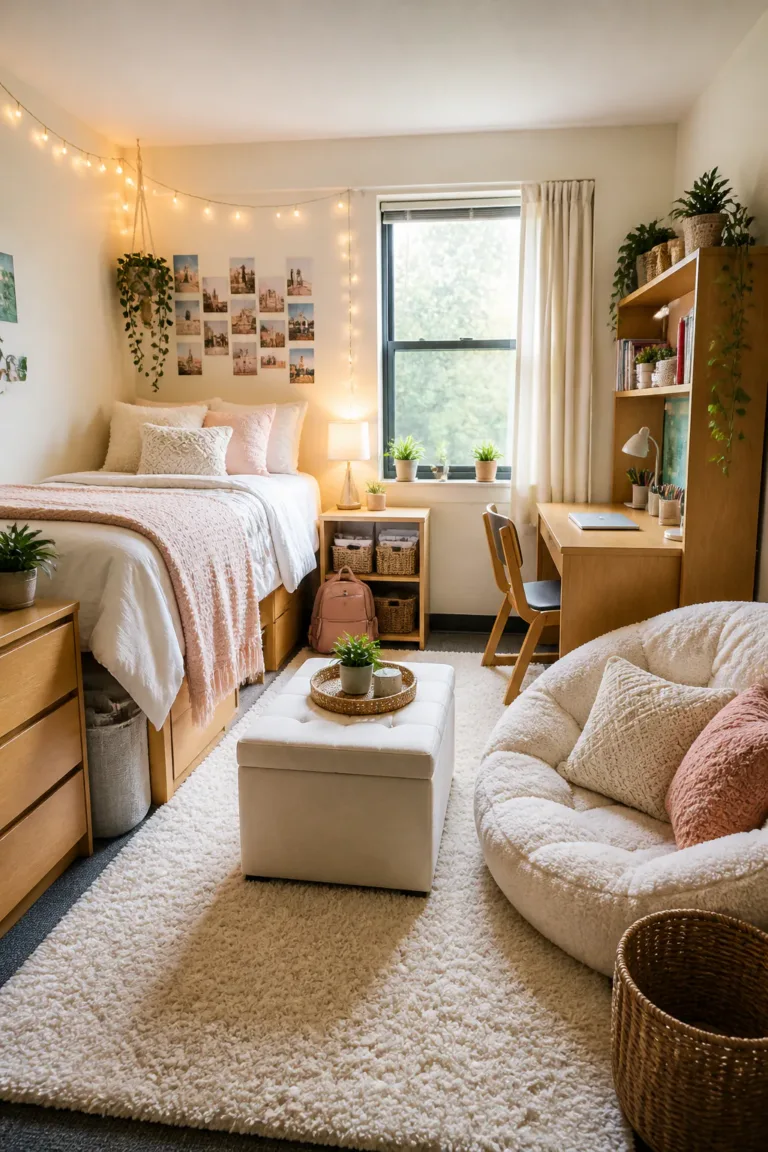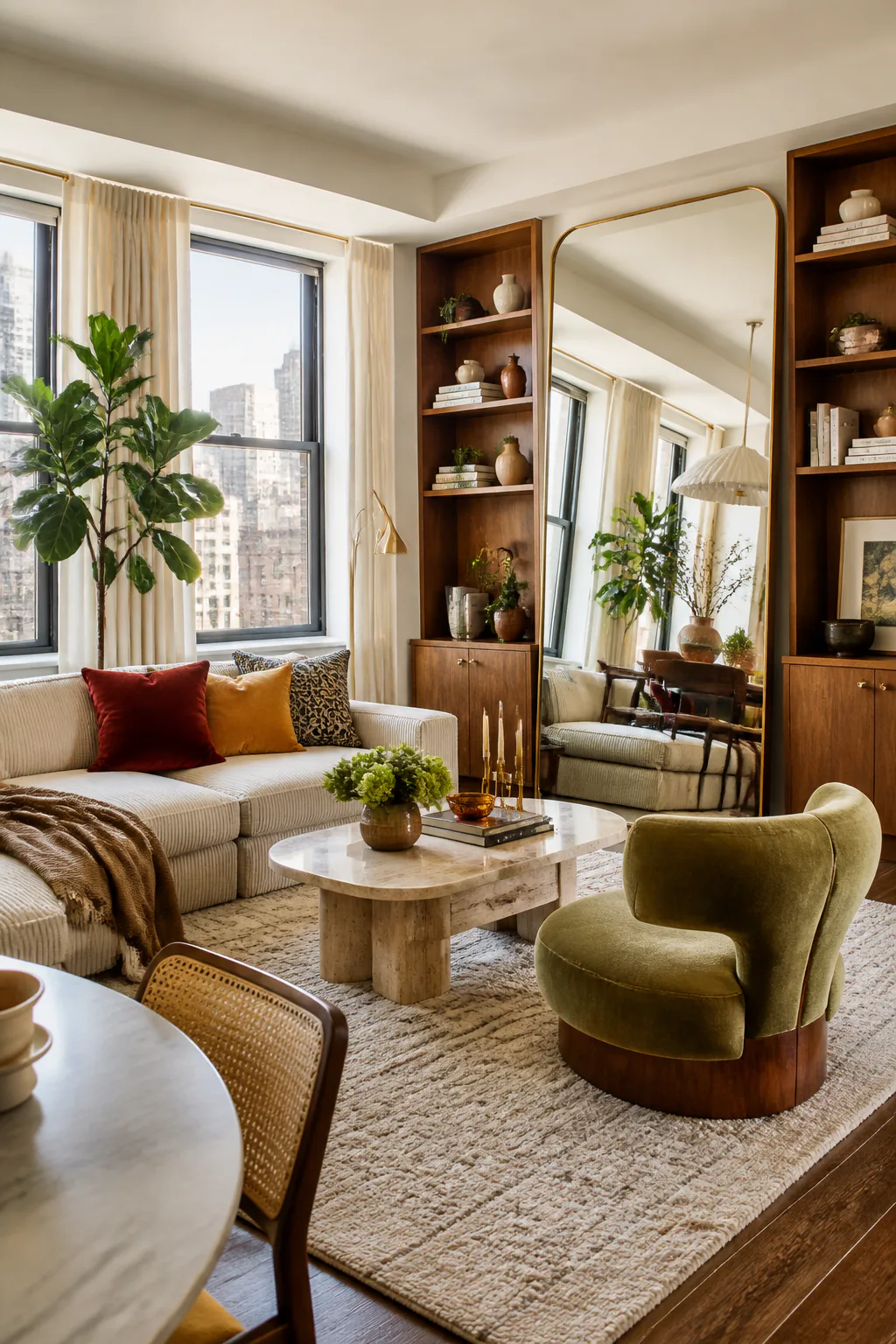
13 Clever Apartment Decorating Ideas for a More Personal Home
Apartment decorating is less about fitting in more furniture and more about making each choice feel intentional. A few thoughtful changes can add warmth, create useful zones, and make a compact room feel more like your own—without requiring a major renovation.
These ideas work for renters and homeowners alike, with options that range from rearranging furniture to adding removable wall details. The focus is on practical updates that bring character while respecting limited floor space.
Start with the room or corner that feels least comfortable, then choose one idea that suits your layout and routine. Small changes, such as hanging curtains higher or adding a layered light source, can have an outsized effect on how a space looks and feels.
1. Mix Rich, Lived-In Wood Tones
Rich wood tones bring warmth and a sense of history to an apartment, especially when the room has plain walls or modern finishes. Walnut, reclaimed oak, and burl each have distinct grain and color, so combining them can make a space feel collected rather than furnished all at once.
This approach works in living rooms, dining nooks, and bedrooms. A dark side table can sit beside a lighter coffee table, while a wood-framed mirror or picture frame helps connect the different finishes around the room.
How to mix wood with confidence
Choose a few pieces with different tones but a similar overall feeling, such as warm rather than ashy. Repeating one wood finish in small accents can help the variety look deliberate. You do not need every piece to match, but it helps to balance darker furniture with lighter textiles or a brighter wall color.
- Pair a substantial wood piece with smaller, lighter accents.
- Repeat a wood tone in a frame, tray, or lamp base.
- Use rugs and upholstery to soften a group of darker finishes.
2. Color-Drench a Cozy Living Room
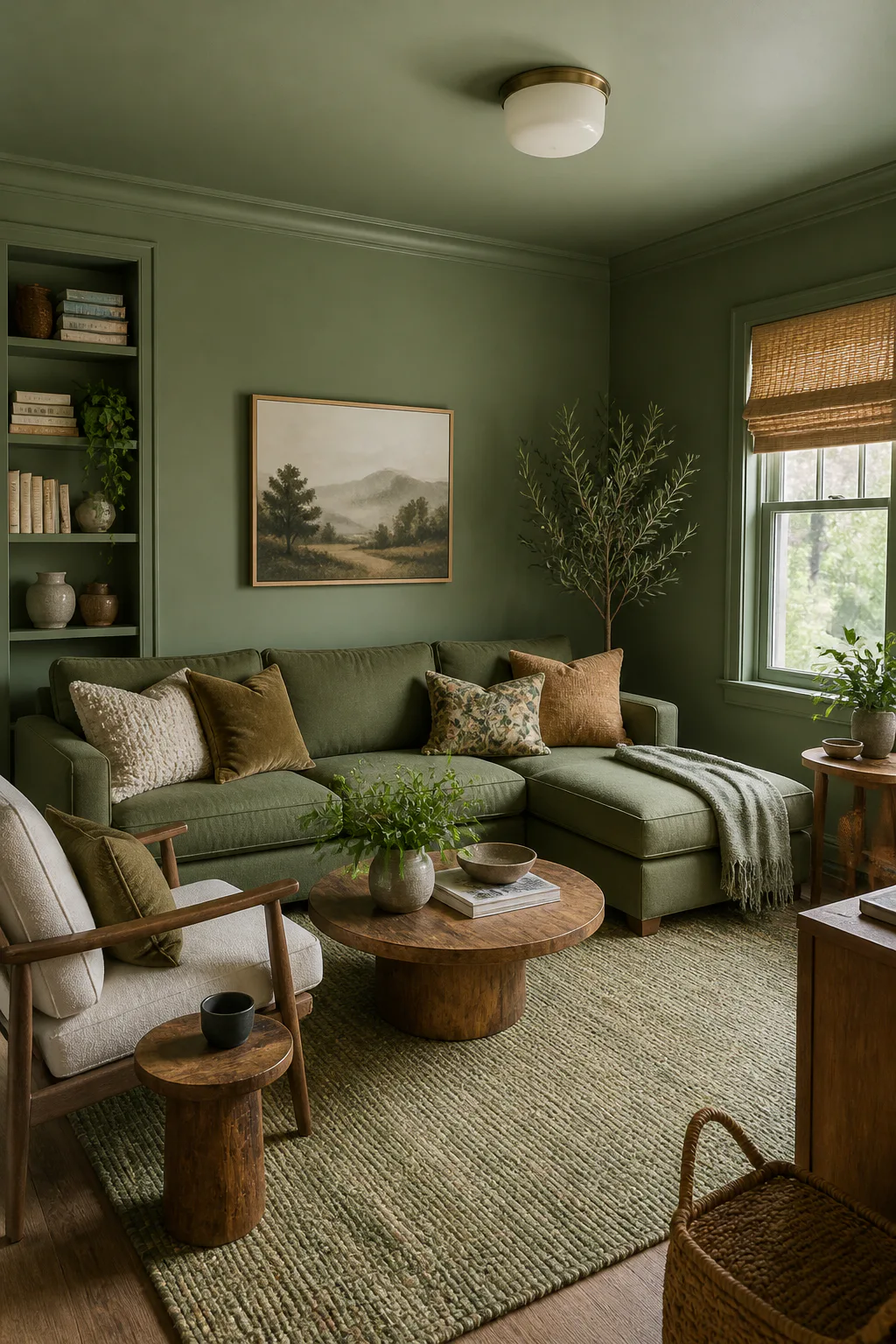
Using one earthy shade across a compact living room can make the space feel cohesive instead of visually chopped up. Muddy green, dusty blue, or deep ochre can bring depth and personality to plain walls, while a consistent color story helps furnishings feel connected.
Color-drenching does not have to mean painting every surface. In a rental, you can echo a chosen shade through curtains, cushions, art, and a rug, keeping the main walls as they are. In a room you can paint, wrapping the walls in one grounding color creates a snug backdrop for everyday life.
How to build a balanced palette
Test the color in the room’s natural and evening light before committing. Keep larger furniture and flooring in mind, then use a few related shades rather than adding many competing accents. Texture becomes especially useful when a room relies on a close-knit palette.
- Try a sample near the window and in a darker corner.
- Repeat the chosen hue in two or three smaller accessories.
- Add contrast with natural wood, woven fibers, or cream textiles.
3. Place an Oversized Mirror Opposite a Window
A large mirror can brighten a room by reflecting daylight from a window and give a compact layout a stronger sense of depth. It also adds a useful surface for checking an outfit or making an entry feel more welcoming, so the effect is both decorative and practical.
In a living room, a floor mirror can lean against a wall across from a window if the layout allows. A securely mounted wall mirror is a good alternative where floor space is tight. Think about what the glass will reflect: a view, a plant, or an appealing part of the room is more inviting than a cluttered surface.
Make the placement work
Before hanging or leaning a mirror, check its angle from the main seating area and make sure it will not create uncomfortable glare. In rentals, use an appropriate hanging method for the wall and the mirror’s weight, or choose a stable leaning style with a secure position.
- Place it where it can catch natural light without reflecting harsh glare.
- Choose a frame that complements nearby furniture and finishes.
- Keep the reflected area tidy so the mirror adds calm and depth.
4. Layer Textured Wall Hangings and Fringe
Textile wall hangings and fringed details bring softness to rooms that feel bare or dominated by hard surfaces. A woven hanging above a sofa can add color and texture without the formality of framed art, while fringed pillows or a tasselled lampshade introduce smaller, playful touches.
This idea suits a bedroom, reading nook, or living room where you want a comfortable, relaxed mood. Texture also helps a restrained color palette feel richer, since woven fibers, embroidery, and fringe catch light differently from smooth paint or upholstery.
Layer texture without clutter
Start with one larger textile feature, then add a couple of smaller details elsewhere in the room. Vary the materials but keep the colors connected, so the surfaces feel layered rather than busy. If the wall hanging is patterned, let nearby pillows or lampshades provide simpler texture.
- Hang a textile above a bed, sofa, or compact console.
- Use fringe on one or two accents instead of every soft furnishing.
- Mix woven, embroidered, and smooth materials for contrast.
5. Hang Floor-Length Curtains Near the Ceiling
Mounting curtains close to the ceiling draws the eye upward and can make apartment walls feel taller. Floor-length panels also soften the hard lines around a window, making a room feel more finished even when the rest of the decor is simple.
This approach is especially helpful in a living room or bedroom with low-feeling windows. Choose panels that reach the floor without bunching heavily, and allow enough width for them to frame the window when open. Light-filtering fabric keeps a room bright, while a heavier weave can add a cozy layer.
Get the proportions right
Measure from the intended rod height to the floor before choosing curtain length. If you cannot drill into the walls, look for a suitable tension or renter-friendly mounting option that works for your window and the weight of the fabric.
- Position the rod higher than the top of the window frame.
- Extend the rod beyond the window so open panels do not block much light.
- Choose a fabric that suits the room’s light and privacy needs.
6. Separate an Open Plan with Rugs and Shelving
In an open-plan apartment, a rug can establish the boundary of a living area, reading nook, or workspace without interrupting the flow of the room. Furniture placement adds another layer of definition, giving each activity a clear home even when there are no walls between them.
An open-backed shelf can mark the edge of a zone while letting light and sightlines pass through. Place it where it separates spaces naturally, such as behind a sofa or beside a desk, and avoid filling every shelf so the divider remains visually light.
Define zones while keeping the room open
Think about how you move through the apartment before placing a rug or shelf. Leave comfortable paths between the entry, seating, and kitchen, and use furniture to signal the purpose of each area. A small reading nook can feel distinct with a chair, lamp, and rug, even in a shared living space.
- Anchor the main seating group with a rug sized for the furniture.
- Use an open-backed shelf to separate areas without blocking daylight.
- Keep walkways clear and orient furniture toward each zone’s activity.
7. Tuck a Sculptural Accent Chair into a Corner
A sculptural accent chair can turn an overlooked corner into a useful spot with personality. A vintage cane chair brings an airy, natural look, while a compact upholstered seat can add softness and a contrasting shape to a room dominated by a sofa or straight-lined furniture.
Because the chair is occasional seating, it does not need to be large enough to anchor the whole room. A well-chosen piece can offer a place to read, pull on shoes, or set down a bag, while keeping the apartment flexible for guests and daily routines.
Choose a chair that earns its space
Check the chair’s scale against the corner and leave enough room to move around it. A small side table or floor lamp can make the seat feel like a purposeful nook, but avoid adding so many extras that the corner becomes difficult to use.
- Look for a compact footprint and a shape that adds visual interest.
- Angle the chair toward the room or a nearby window.
- Add one practical companion, such as a lamp or small table.
8. Build a Vertical Shelf Display
Floating shelves and book ledges use wall space for storage and display, freeing up the floor and keeping small apartments from feeling crowded. They can hold books, framed art, ceramics, or everyday essentials, making a blank wall useful without adding another bulky cabinet.
Try a short shelf above a desk, a set of ledges in a reading nook, or a vertical arrangement beside a sofa. Keeping the display at a comfortable viewing height makes it feel integrated with the room instead of like storage placed wherever space was left over.
Style shelves for everyday use
Plan the arrangement around what you actually want to reach or see. Mix books with a few objects and leave some open space so the display can breathe. For rentals, check the wall type and use a mounting method appropriate to the shelf, its contents, and the wall.
- Use ledges for prints that you may want to rearrange.
- Combine upright books with a few horizontal stacks.
- Keep heavier items on shelves mounted securely for their load.
9. Create a Warm Reading Corner with Layered Lamps
A reading corner feels more inviting when its lighting comes from more than one source. A floor lamp can illuminate a chair, while a table lamp or plug-in sconce adds a softer pool of light nearby. Layered lamps also give you more control than relying on a single bright ceiling fixture.
This setup works in a bedroom corner, beside a living room window, or in the small space next to a bookcase. It can help a modest seating area feel like a destination, especially when paired with a throw, a place for a book, and lighting that suits both reading and relaxing.
Combine useful and ambient light
Choose a focused light near the chair for reading, then add a second lamp to warm the surrounding area. Check that cords can reach outlets without crossing walkways. If you use a plug-in sconce, route and secure its cord neatly so the setup stays safe and tidy.
- Place a floor lamp beside or just behind the reading seat.
- Add a smaller lamp on a side table for a softer glow.
- Use bulbs and shades that feel comfortable for evening use.
10. Add Rental-Friendly Faux Wainscoting
Faux wainscoting can give plain apartment walls the look of architectural detail without a full renovation. Peel-and-stick molding or lightweight panels create a frame-like pattern that adds dimension, making a dining nook, entry, or bedroom wall feel more considered.
Because wall finishes and lease rules vary, check what your rental allows before applying anything. Removable products can still affect paint or drywall when taken down, so test an inconspicuous area first and follow the product’s installation and removal guidance.
Plan the wall treatment carefully
Keep the design simple enough to suit the scale of the room. A few clean rectangles can add structure without overwhelming a small wall, while a painted or color-coordinated finish can help the detail blend with the rest of the space.
- Measure and mark the layout before attaching any panels or molding.
- Test a small, hidden section to assess removal on your wall surface.
- Choose proportions that leave breathing room near doors and trim.
11. Fill an Empty Corner with a Statement Plant
A sculptural indoor tree or trailing plant can soften the hard edges of a bare corner and bring a living element into the room. Taller greenery draws the eye upward, while a trailing plant on a stand or shelf adds movement without taking over the floor.
Choose a spot based on the plant’s light needs as well as the room’s layout. A corner near a window may suit a larger plant, while a lower-light location could work better for a plant suited to those conditions. A well-chosen pot helps the greenery connect with the room’s wood, textiles, or accent colors.
Make greenery easy to live with
Consider how much care you can realistically give the plant and whether pets or children can reach it. Use a saucer or protective layer beneath the pot to help protect the floor, and leave enough space to water and maintain the plant without shifting furniture each time.
- Match the plant to the light available in the chosen corner.
- Use a stable pot and protect the floor from moisture.
- Try a trailing plant on a stand when floor space is limited.
12. Make a Personal Thrifted Gallery Wall
A gallery wall made from secondhand finds can tell a more personal story than a matching set of prints. Combine thrifted art with postcards, ticket stubs, and framed textiles to bring color and memory to a hallway, bedroom, or wall above a sofa.
The mix can feel eclectic while still looking intentional. Repeating a frame finish, mat color, or small accent hue gives varied pieces a visual thread, while differences in size and subject keep the arrangement from feeling overly formal.
Arrange the collection before hanging
Lay the pieces out on the floor or cut paper templates to test the shape on the wall. Start with a larger work or a favorite piece, then build around it while keeping spacing fairly consistent. In a rental, consider picture ledges or removable hanging solutions suited to the wall and frame weight.
- Include personal paper keepsakes alongside framed artwork.
- Repeat one or two frame finishes to connect varied finds.
- Test the arrangement before making holes or applying hooks.
13. Build a Flexible Living Room Around Storage Furniture
Furniture that serves more than one purpose helps a small living room adapt to daily life. A sleeper sofa can offer guest space, while a lift-top coffee table or storage ottoman can provide a place for blankets, books, or items you want close but out of sight.
These pieces work best when they support the way you actually use the room. If guests stay over, prioritize a sofa that can convert comfortably; if clutter is the bigger challenge, focus on accessible storage that does not make the room feel crowded.
Choose flexibility without sacrificing flow
Measure the room with furniture opened or extended, not only in its everyday position. Make sure there is still a clear path through the space and that the storage is easy to access. Pair larger multifunctional pieces with lighter accents to keep the overall arrangement from feeling too heavy.
- Check a sleeper sofa’s opened footprint against the available floor area.
- Use a lift-top table for flexible work, meals, or storage.
- Choose an ottoman with storage if you want a softer alternative to a table.
Final Thoughts
Apartment decorating works best when style and everyday function support each other. Warm wood, layered textiles, thoughtful lighting, and personal art can give a room character, while mirrors, vertical shelves, rugs, and storage furniture help make limited space work harder.
You do not need to take on all thirteen ideas at once. Pick one update that addresses a real need in your home, see how it changes the room, and build from there; even a small, renter-friendly adjustment can make your apartment feel more comfortable and distinctly yours.