16 Stunning Wall Decor Ideas
A blank wall can make a room feel unfinished, but the right wall decor can add color, texture, light, or useful storage without changing the entire space. From a carefully arranged collection of prints to a wall finish that becomes the feature itself, these ideas offer different ways to make your walls feel considered.
Some options are easy to refresh, while others involve a more lasting change. Think about the room’s natural light, the furniture already in place, and whether you want the wall to feel calm, cozy, bold, or functional before choosing an approach.
Whether you’re decorating a living room, bedroom, home office, kitchen, or entryway, use these ideas as starting points. You can adapt the scale, materials, and colors to suit your home and the way you use each space.
1. Create a Curated Gallery Wall

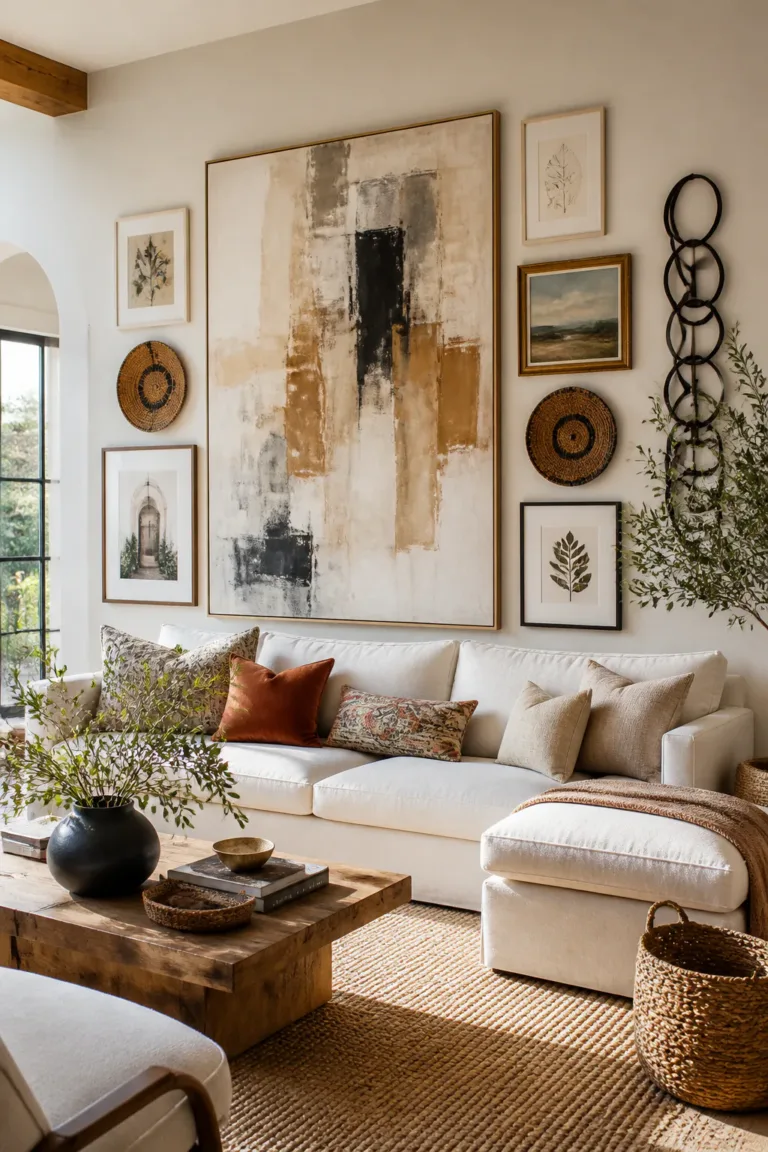
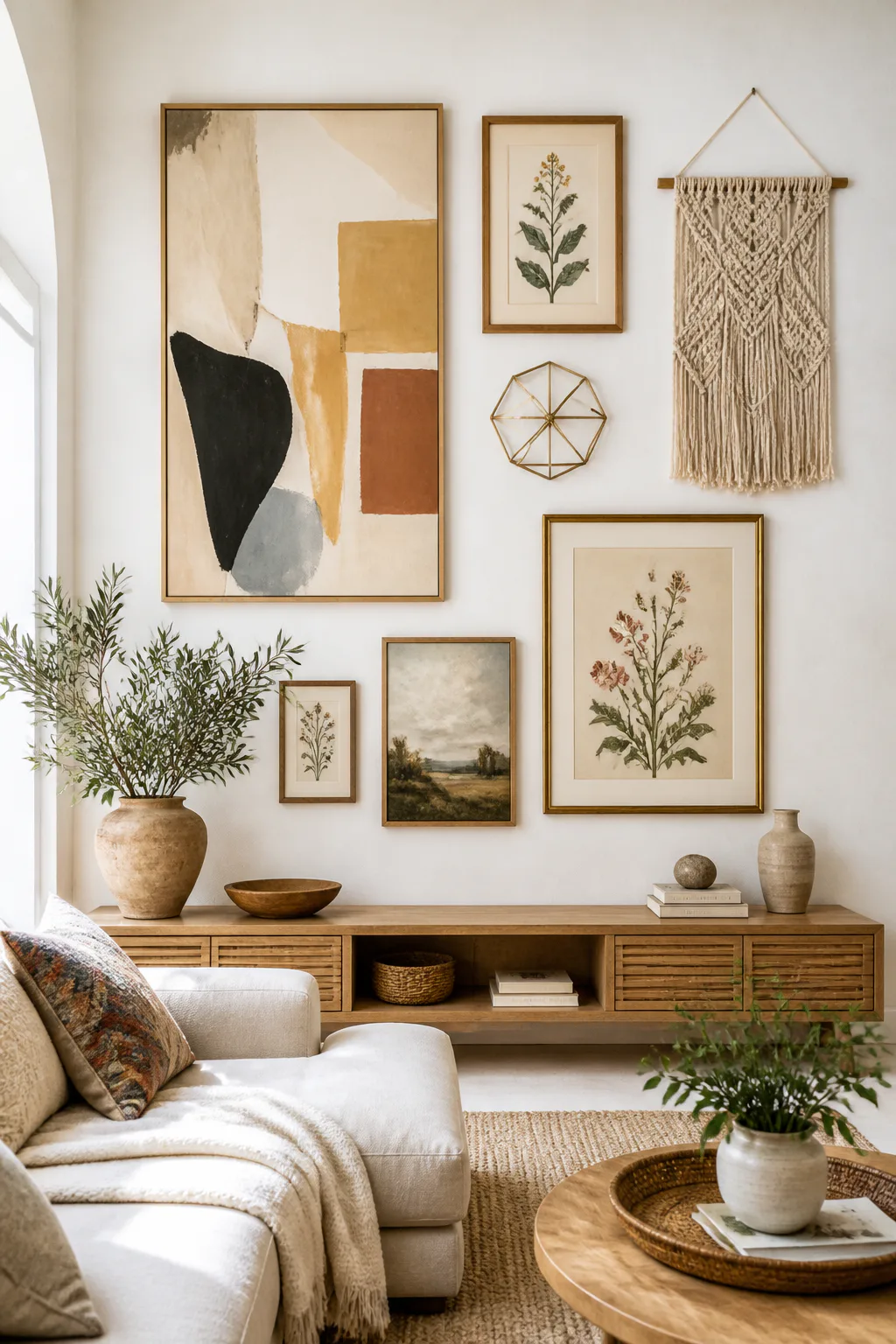
A gallery wall brings several pieces together to make one larger focal point. It can combine photography, line drawings, typography, or personal art, giving a room a collected feeling that a single print may not provide. A cohesive theme or color palette helps the mix feel intentional, even when the frames themselves are varied.
This approach works well above a sofa, along a stairway, or on a broad wall in an entryway. Before hanging anything, lay the frames on the floor and adjust the arrangement until the overall shape feels balanced. Keep the display sized in relation to the furniture beneath it so it feels connected to the room.
How to pull it off
Choose a visual thread, such as warm neutrals, black-and-white imagery, or a shared subject. Then vary the frame sizes and spacing to create interest without making the wall feel scattered.
- Combine large anchor pieces with smaller prints.
- Repeat one or two colors across different artworks.
- Use paper templates to test the layout before adding nails.
A little variation makes the display feel personal; a consistent palette keeps it composed.
2. Hang an Oversized Statement Canvas

One generous piece of art can give a room a clear focal point and make a blank wall feel finished with minimal layering. An abstract canvas or high-contrast print brings color and shape into the space while keeping the overall arrangement simple. This is a useful choice when you want impact without assembling a collection of smaller frames.
Try it above a sofa, bed, or dining-room sideboard, where the furniture naturally anchors the artwork. A piece that is too small may look disconnected, while one with a strong palette can help tie together cushions, rugs, or other accents already in the room. Consider what you see from the main doorway before settling on its position.
Choose the right placement
Center the artwork in relation to the furniture, not necessarily the entire wall. Leave enough breathing room around the canvas so its scale feels deliberate rather than crowded by nearby shelves or lighting.
- Pick colors that relate to the room’s existing palette.
- Use a bold print to energize a restrained space.
- Check the hanging hardware is suitable for the canvas’s weight.
When the art is the main event, keep nearby decor simple and let its scale do the work.
3. Style Art on a Picture Ledge

A shallow picture ledge offers an easy way to display framed art without committing to a fixed arrangement of nail holes. Lean prints against the wall, overlap a smaller frame in front, or add a small decorative object to make the display feel layered. Because the pieces rest on the ledge, it’s simple to change the artwork as your tastes or seasons shift.
Picture ledges work especially well above a desk, sofa, or low cabinet, and they can also bring life to a narrow hallway. A wooden ledge adds a subtle natural note, while a painted version can blend into the wall or echo another finish in the room. Secure it properly, particularly if the display will be within reach of children or pets.
Build a balanced arrangement
Start with a few frames in different sizes, then lean them so their edges overlap slightly. Keep the overall grouping visually centered and avoid filling every inch of the ledge.
- Mix portrait and landscape frames for variety.
- Layer a small print in front of a larger piece.
- Leave open space to make future swaps easy.
This flexible display is ideal if you like refreshing your wall decor without redesigning the whole room.
4. Frame a Vintage Botanical Print Collection

Botanical or bird illustrations bring a gentle, nature-inspired quality to a wall. Vintage-style prints in muted tones can feel especially at home in a bedroom, dining nook, or quiet reading corner, where their fine details add interest without demanding attention. Grouping several related images gives the display more presence than hanging one print alone.
Slim brass frames add a warm, delicate edge, while dark wood gives the collection a more traditional look. You can choose illustrations with a shared subject, such as leaves or birds, or simply keep the colors and drawing style consistent. A neatly arranged grid feels formal; a looser grouping can look more collected and relaxed.
Make the collection feel cohesive
Repeat a frame finish or mat color to link the prints, even if the images differ. Before hanging them, arrange the pieces on the floor and check that the spacing feels even across the full group.
- Choose prints with a similar level of detail.
- Use pale mats to give delicate illustrations room to breathe.
- Try a tidy grid above a console or dining bench.
The result is a timeless wall display that brings a small touch of the outdoors inside.
5. Hang a Textural Macramé Wall Piece
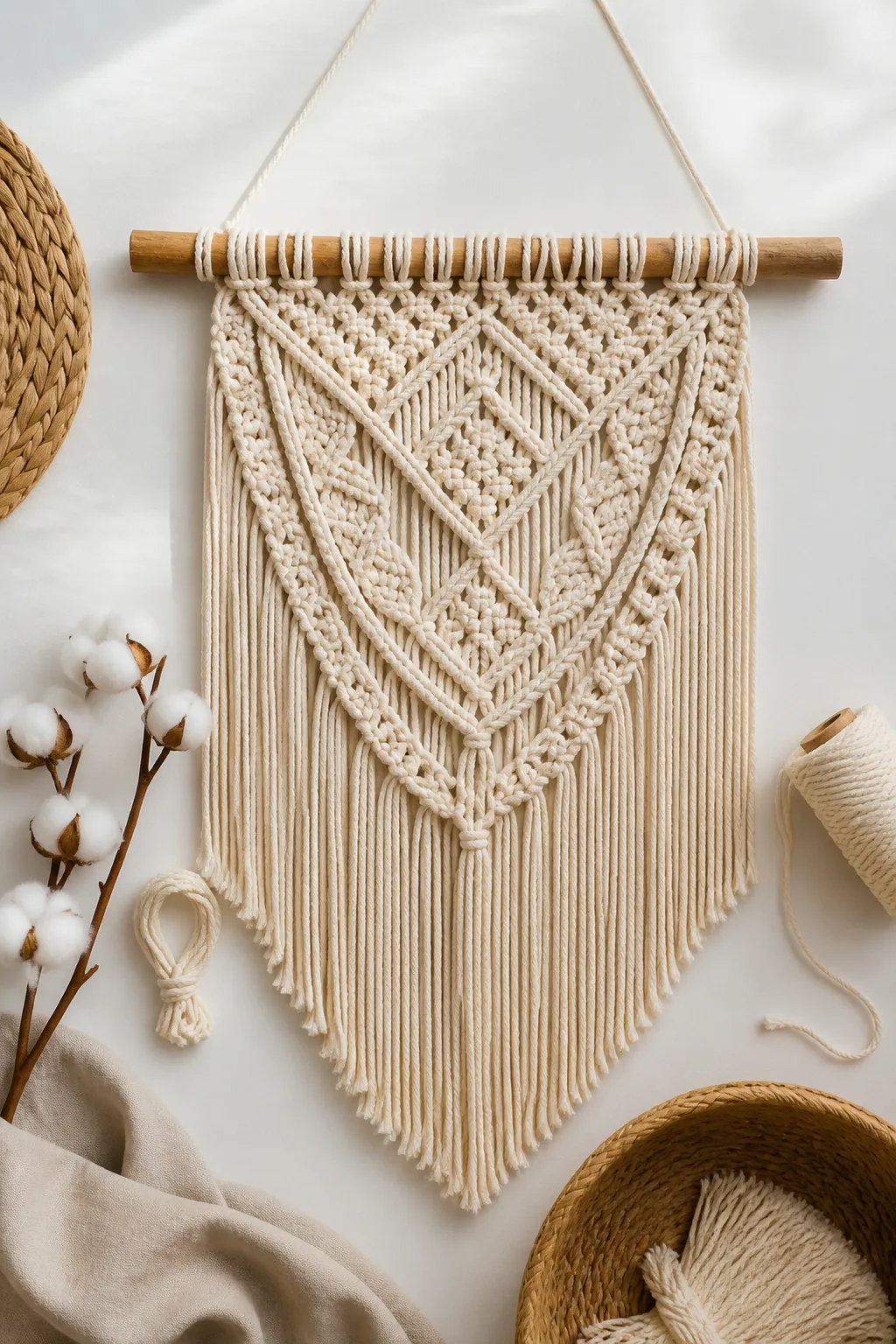
A macramé wall hanging adds softness and tactile dimension where framed art might feel too formal. Knotted cotton, wool, or jute brings a relaxed, handmade quality to the room, and its texture can make a plain wall feel warmer without relying on strong color. It’s a natural fit for a bedroom, reading nook, or living room with other woven or organic materials.
Give the piece enough space to show its shape, especially if it has long fringe or a broad woven pattern. Above a bed or console, check that the hanging is centered and doesn’t compete with nearby lamps, shelves, or art. Natural fibers suit an earthy palette, but a more graphic design can also work in a clean, modern room.
Style it with intention
Let the textile be the main soft accent on the wall, then repeat its materials elsewhere in small ways. A woven basket or natural-fiber rug can connect the hanging to the rest of the space.
- Choose a scale that suits the furniture below it.
- Use a secure hook or rod designed for the hanging’s weight.
- Keep the surrounding wall relatively uncluttered.
Its depth and gentle movement offer a cozy contrast to smooth paint and hard-edged furniture.
6. Mount a Geometric Metal Wall Sculpture
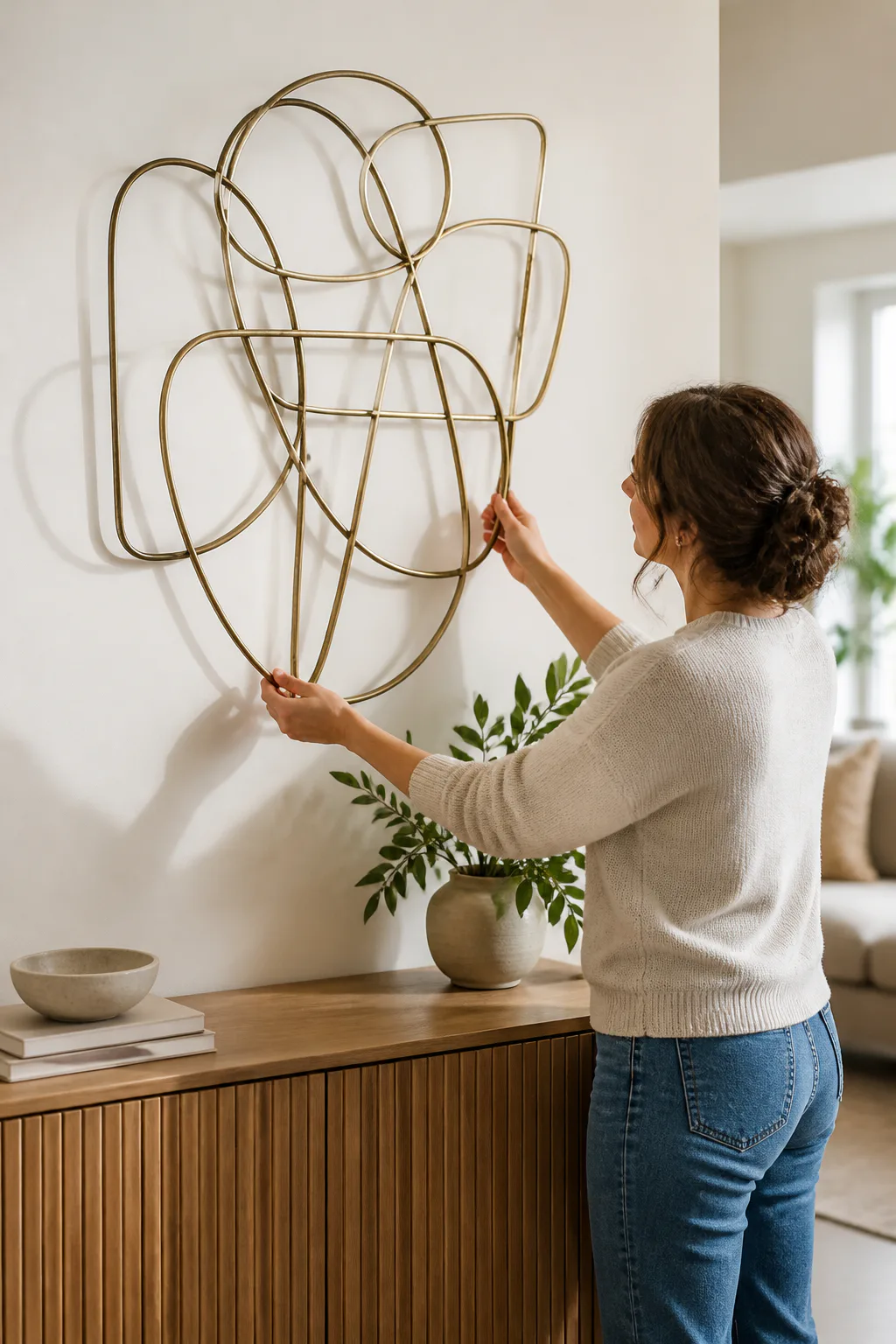
A metal wall sculpture gives a flat surface a more dimensional, architectural look. Abstract loops, overlapping shapes, or nature-inspired motifs create shadows that change with the light, adding visual movement without taking up floor space. Iron can bring a graphic, industrial feel, while brass offers a warmer accent.
This type of decor can work above a console, in a living room, or on a wall that needs more presence but already has plenty of color. Because the sculpture has depth and a defined silhouette, it often looks best with some open wall around it. Consider how its finish relates to nearby hardware, lighting, or frames so it feels connected to the room.
Keep the display balanced
Use the sculpture as a standalone focal point or pair it with simple furnishings. If the shapes are intricate, a calmer wall color can help the details remain easy to see.
- Match the scale to the wall and furniture beneath it.
- Repeat the metal finish in one or two nearby accents.
- Check mounting instructions and secure the piece carefully.
The sculptural form adds interest through shape and shadow rather than a printed image.
7. Add a Fluted Wood Slat Accent Wall
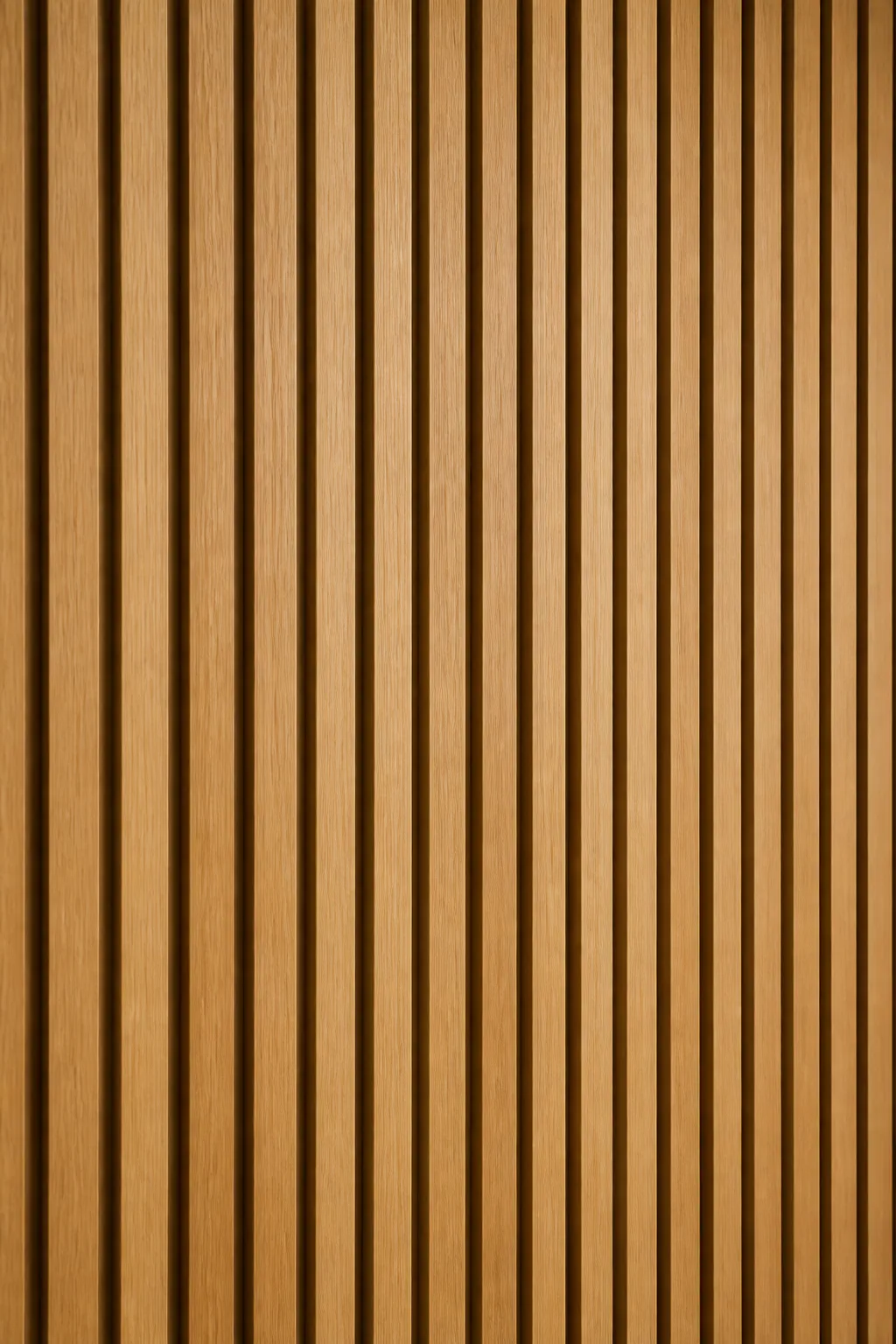
Vertical wood slats bring architectural depth to a room and create a strong backdrop for furniture or art. Their repeating lines can make a wall feel taller, while the natural grain introduces warmth that flat paint alone may not provide. A full accent wall makes a bolder statement, and a half-wall treatment can define a zone without covering the entire surface.
Consider placing slats behind a bed, sofa, or dining area where the wall already serves as a visual anchor. The wood tone should sit comfortably alongside flooring, cabinetry, and other finishes; it doesn’t have to match exactly, but the combination should feel intentional. Plan around outlets, switches, and existing trim before starting installation.
Plan the material and layout
Decide whether the slats should run across the full wall or stop at a clear architectural point. Consistent spacing creates a neat rhythm, while a carefully chosen paint color behind the slats can add extra depth.
- Test wood samples in the room’s natural and evening light.
- Measure around doors, outlets, and wall edges first.
- Use the appropriate fixing method for your wall surface.
This lasting treatment can make a simple room feel more layered and finished.
8. Finish a Wall with Textured Limewash

With limewash or a plaster-style finish, the wall itself becomes the decor. Subtle shifts in tone and a hand-troweled texture bring depth to a surface that might otherwise feel plain, creating a soft backdrop for furniture, lighting, and art. A moody color can make a room feel intimate, while a lighter finish keeps the effect airy and understated.
This treatment can work well behind a bed or sofa, or on a wall that you want to highlight without filling it with objects. Because the finish has variation, it may already provide enough visual interest on its own. Consider the room’s light and the colors of nearby materials before choosing a shade, since both can affect how the texture reads.
Prepare before you begin
Test the finish on a sample area or board so you can see its color and texture in the space. Follow the product’s preparation and application directions, and decide whether the look is a project you’re comfortable taking on yourself.
- Choose a feature wall if you want a more contained change.
- View color samples at different times of day.
- Keep surrounding decor simple enough to show the surface.
A textured finish can add character even when the wall stays otherwise bare.
9. Place an Oversized Arch Mirror
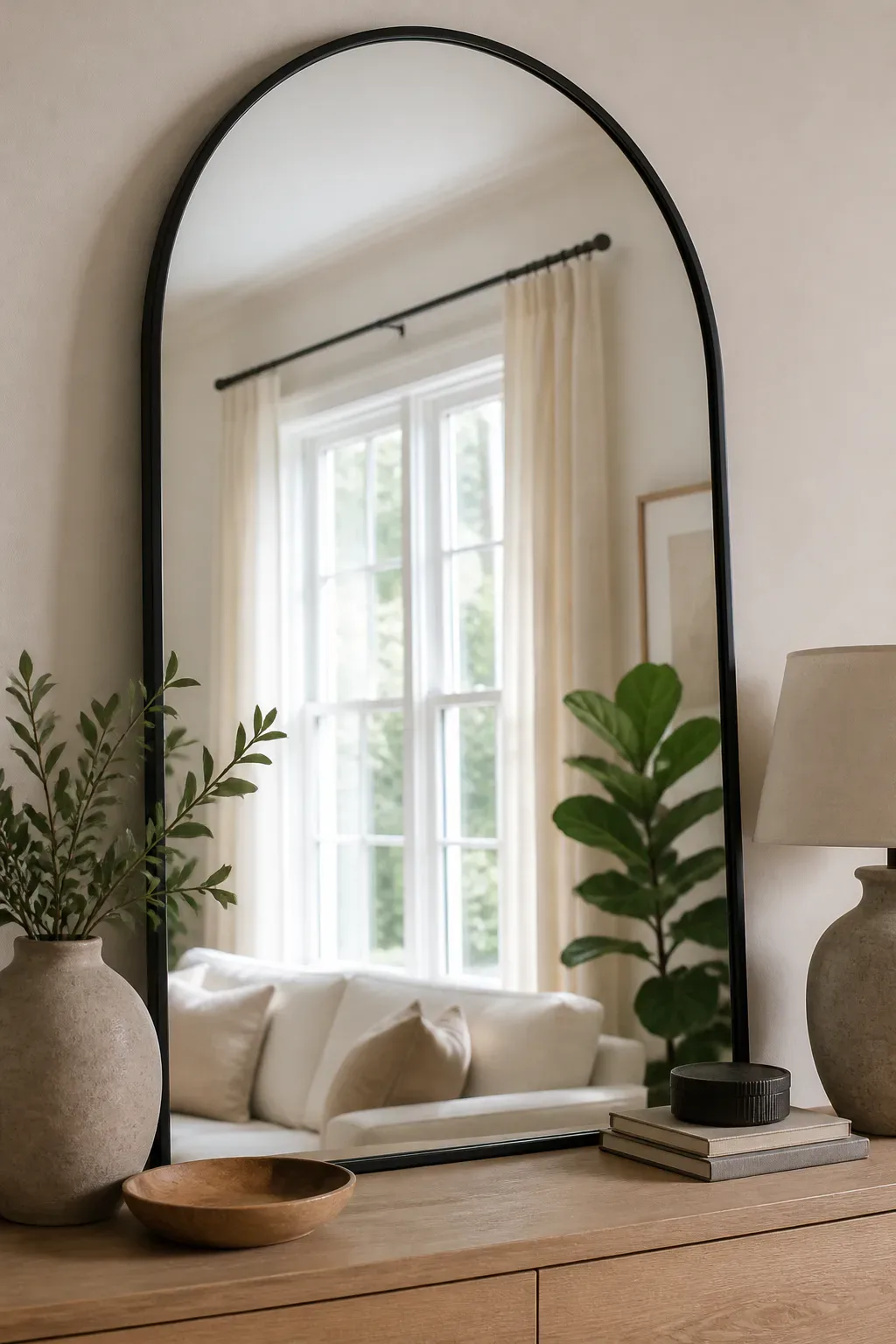
A large arched or round mirror combines practical function with a strong decorative shape. Its curved outline can soften a room full of straight edges, while the reflective surface helps bounce daylight around the space. In a small room or narrow entryway, it can create a brighter, more open impression without adding visual clutter.
Position the mirror where it reflects something pleasant, such as a window, a light source, or a well-styled corner. Above a console, it creates a useful landing spot for checking your appearance; in a living room, it can bring extra light into a darker area. Make sure the mirror’s proportions suit the wall and that its reflection won’t simply face a cluttered corner.
Get the placement right
Consider both what the mirror reflects and how you’ll use it day to day. Large mirrors can be heavy, so check the mounting requirements and use hardware appropriate for the wall.
- Place it opposite or near a source of natural light.
- Leave breathing room around the curved frame.
- Secure the mirror with suitable anchors or wall studs.
A well-positioned mirror makes the wall feel purposeful while supporting the room’s natural light.
10. Flank Artwork with No-Wire Sconces

Battery-operated sconces can frame a favorite piece of art or add a gentle glow beside a bed without requiring hardwiring. Placed on either side of a print, they give the arrangement a balanced, intentional look. Above a headboard, a pair can also provide useful evening light while making the wall feel more complete.
Think about the brightness and direction of the light as well as the fixture style. A simple sconce can let the artwork remain the focus, while a more decorative shape can become part of the display. Check how the lights are powered and how their batteries are changed so the setup remains practical after installation.
Arrange art and lighting together
Plan the placement of all three elements—the artwork and both sconces—before making holes. Keep the fixtures at a comfortable height and leave enough room so they don’t crowd the frame or interfere with nearby furniture.
- Choose a light tone that suits the room’s evening mood.
- Test the arrangement with paper templates first.
- Check battery access and mounting instructions.
This combination adds both structure and a cozy layer of light to a blank wall.
11. Install a Glowing Neon Wall Sign
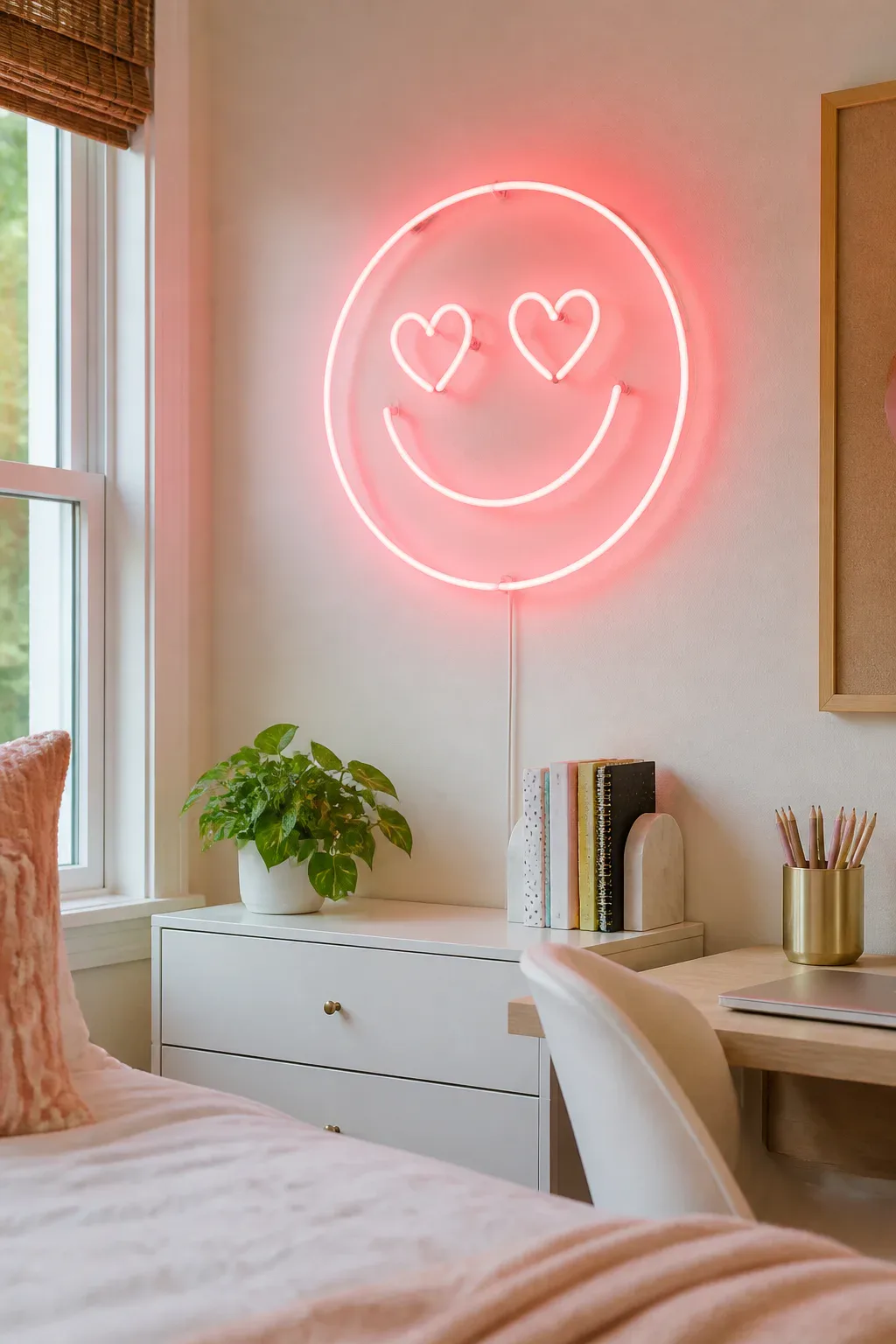
A neon or LED wall sign introduces color and a warm glow, bringing a playful, retro accent to a room. A short custom phrase can make a personal statement, while an abstract shape adds light without introducing more words. It can be a lively focal point in a game room, creative workspace, or bedroom, especially where the rest of the decor is relatively simple.
Think about how the sign will look both when it’s lit and when it’s off. Its color, shape, and glow should work with the room rather than overwhelm it, and nearby surfaces should leave enough space for the light to stand out. Plan where the power connection will go so cords don’t distract from the design.
Choose a thoughtful spot
Hang the sign where it can be seen comfortably without shining directly into someone’s eyes. Keep it clear of fabrics and follow the installation and electrical guidance supplied with the piece.
- Pick a size that suits the wall rather than filling it entirely.
- Coordinate its colors with a few existing accents.
- Plan cord routing before mounting the sign.
Used selectively, a glowing sign can make a room feel personal and inviting.
12. Build a Floating Bookshelf Display

Floating bookshelves turn books into wall decor while keeping their supports visually discreet. A short stack of hardcovers can appear to sit directly against the wall, adding color, personality, and a sense of everyday use. This idea is especially handy in a reading nook, home office, or living room where you want display space without adding a full bookcase.
Arrange books with their covers or spines facing out, depending on the shelf style and the look you prefer. A few horizontal stacks can add variety, but keep the total arrangement balanced so the shelves don’t feel overly crowded. Before installation, consider the combined weight of the books and the strength of the wall and hardware.
Make the display practical
Place the shelves within comfortable reach if you plan to use the books often. You can mix reading material with a small decorative object, but leave enough room to remove and replace books easily.
- Group books by color, size, or subject for a tidy look.
- Use shelves and fixings rated for the intended load.
- Vary the spacing between shelves to suit different books.
The result is useful storage that also gives a blank wall a lived-in feel.
13. Create a Decorative Pegboard Wall
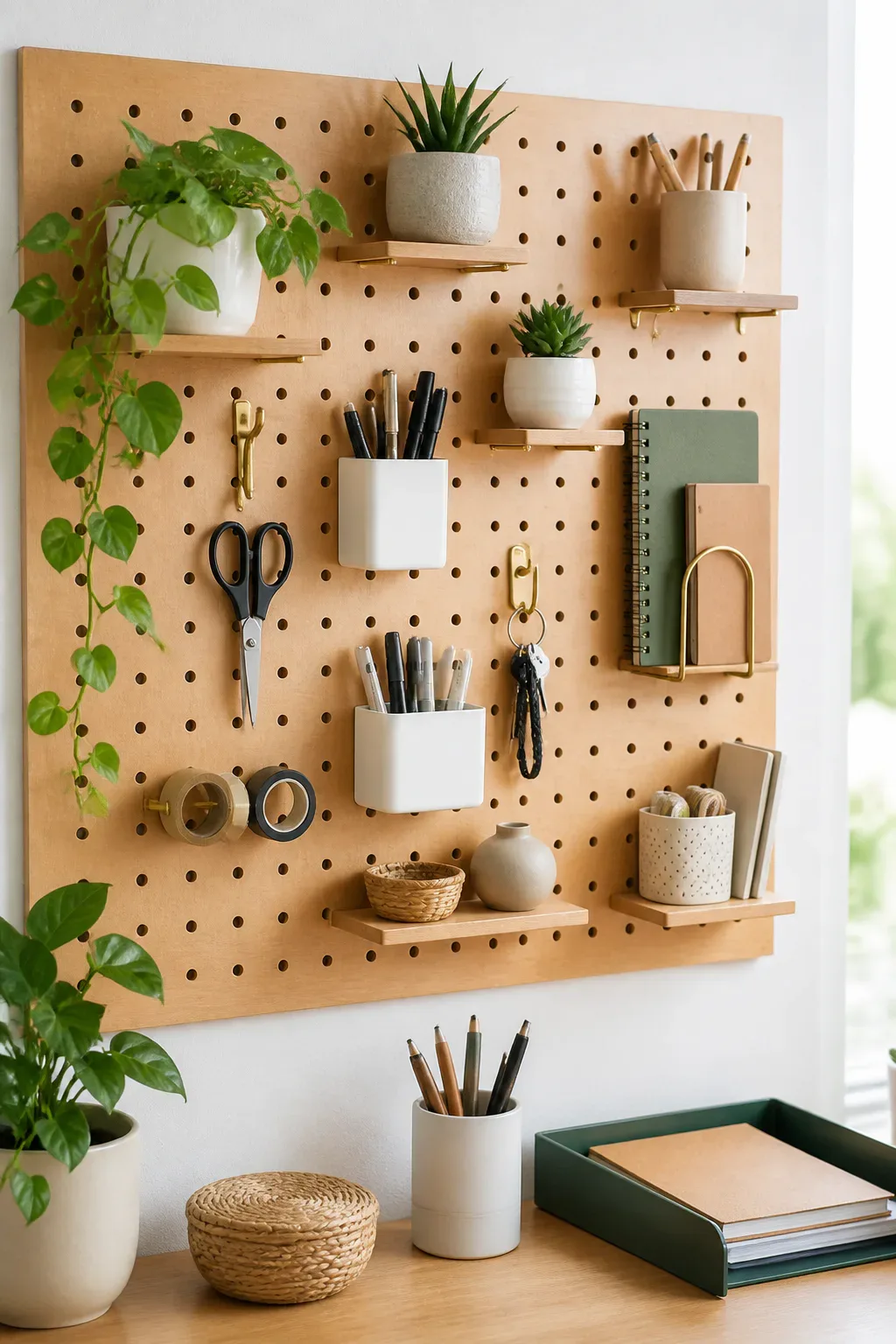
A pegboard can bring order to an office or kitchen while giving everyday items a place on the wall. Hooks, small shelves, and containers make it possible to arrange supplies or tools in a way that stays visible and easy to reach. A wooden board can feel warm and natural, while a metal version may suit a more streamlined space.
Unlike a fixed set of shelves, a pegboard display can be adjusted as your needs change. Use it for desk accessories, craft materials, or light kitchen items, and think about which objects deserve to be on show. The most useful arrangement is not always the fullest one; leaving some open space helps the wall look organized rather than busy.
Organize around daily routines
Place frequently used items at a comfortable height and group similar things together. Confirm whether the board needs a gap behind it for hooks, and secure it according to the wall type and the weight you plan to hang.
- Choose accessories that suit the board’s hole pattern.
- Keep heavier items within the board’s recommended limits.
- Leave room to rearrange the setup as needs change.
A thoughtful pegboard makes practical storage part of the room’s visual design.
14. Mount a Hanging Plant Propagation Station

A propagation station displays plant cuttings as they develop roots, turning a simple growing project into a living wall accent. Test-tube vases attached to a wooden backing create a neat arrangement that feels both practical and decorative. It’s a natural fit for a bright kitchen, sunroom, or home office where the cuttings can be checked and enjoyed.
Light matters: choose a spot that suits the plants you’re propagating, rather than hanging the display wherever it happens to fit. The station should also be easy to reach so you can refresh the water and handle the cuttings. A simple wood backing keeps the focus on the stems, leaves, and changing roots.
Keep the display easy to care for
Arrange the tubes with enough space to remove them for cleaning or refilling. Check that the backing and attachments are firmly mounted, especially when the vessels are filled with water.
- Choose healthy cuttings suited to water propagation.
- Place the station where its plants receive appropriate light.
- Refresh the water and inspect the cuttings regularly.
This display adds a fresh, evolving detail that changes as the plants grow.
15. Display a Vintage Tapestry or Quilt
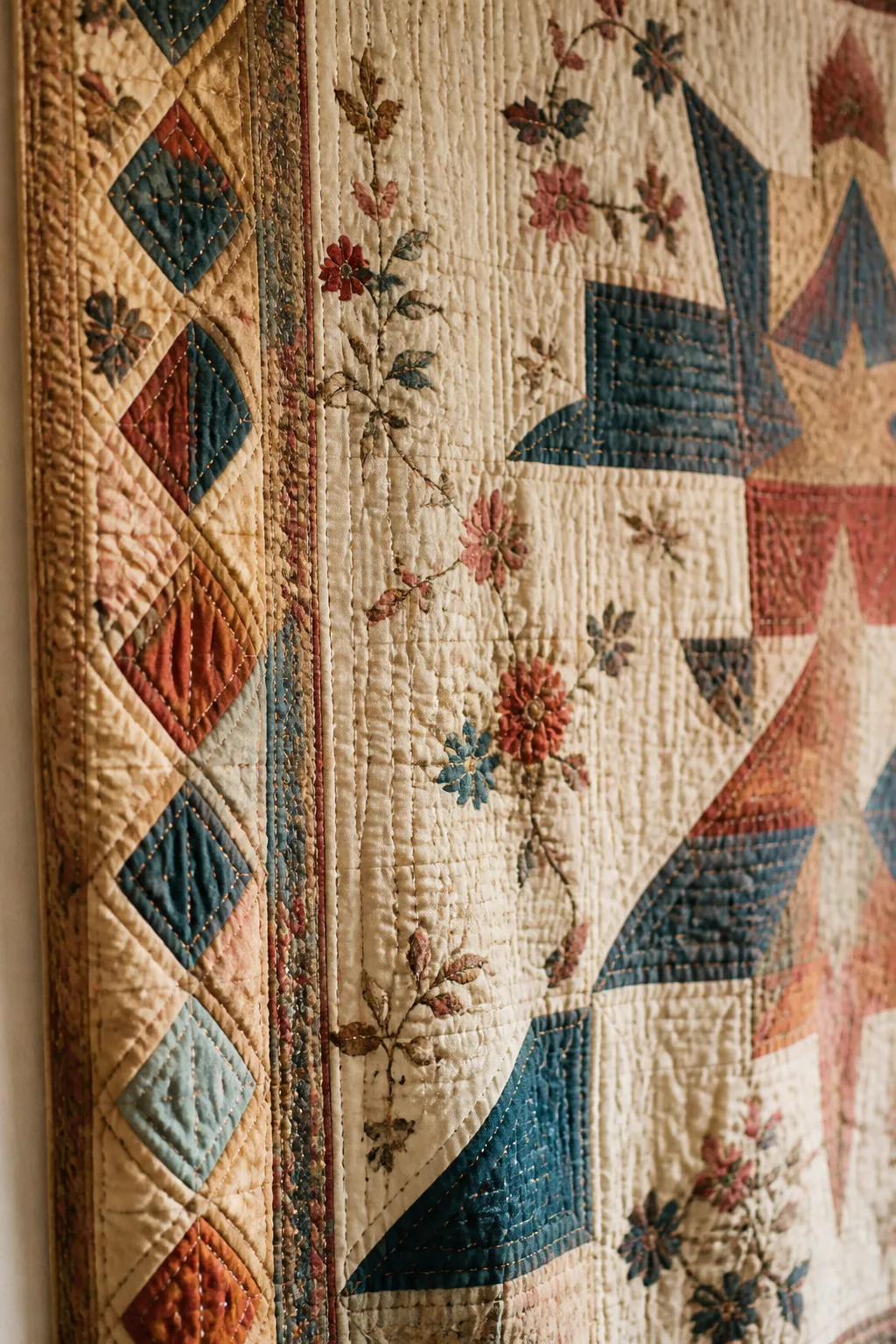
A vintage textile, rug, or embroidered tapestry brings pattern and softness to a wall in a way framed art cannot. Its fibers and visible stitching add warmth, while a meaningful or well-loved piece can give a room a personal, collected quality. A textile display works beautifully in a bedroom, living room, or reading nook where a softer focal point feels right.
Choose a hanging method that supports the textile without putting unnecessary strain on it. A decorative rod can make the piece easy to display, while wooden clips offer a more relaxed look; delicate or valuable textiles may need extra care. Keep the colors and pattern in conversation with nearby bedding, upholstery, or rugs without expecting everything to match.
Hang and care for the textile
Make sure the fabric hangs evenly and is protected from direct sunlight if fading is a concern. Leave enough space around it to appreciate the pattern and texture.
- Use a rod or clips appropriate to the textile’s weight.
- Check that the hanging method spreads support evenly.
- Choose a wall away from excess moisture and direct sun.
A textile can make a room feel softer and more personal while adding a distinctive focal point.
16. Frame Pressed Flowers Between Glass

Pressed flowers or ferns between glass create a delicate wall display that celebrates natural shapes. The transparent framing lets the stems and leaves remain visible against the wall, giving the arrangement a light, airy quality. A single specimen can feel minimal, while a small collection creates a more botanical, gallery-like effect.
This style works well in a bedroom, hallway, or bright living space where fine details can be appreciated up close. Choose plants with interesting outlines and arrange them with space around each stem so the composition doesn’t feel crowded. Since dried botanicals can be fragile, handle them gently and follow the frame’s instructions when assembling the display.
Create a balanced composition
Try the arrangement on a flat surface before placing it in the frame. A restrained layout keeps the plants’ natural forms visible, and consistent frames can help a group of specimens feel unified.
- Use fully dried flowers or ferns before framing.
- Leave open space around delicate stems and leaves.
- Keep the frames away from damp areas and strong direct sun.
The finished display brings a subtle, organic note to the wall without adding visual weight.
Final Thoughts
Wall decor can be as simple as one oversized canvas or as layered as a gallery wall, and it can also bring texture, light, storage, or a living element into the room. The best choice depends on the wall’s size, the surrounding furniture, and whether you want a flexible display or a more lasting change.
Start with one idea that suits how you use the space, then consider its scale, placement, and materials before you install or hang anything. A thoughtful detail can make a blank wall feel like a natural part of the room rather than an afterthought.