

15 Stunning Living Room Decorating Ideas for a Cozy, Polished Space
A living room can feel more inviting and pulled together without a full renovation. Often, a few thoughtful choices—like a better-scaled rug, layered lighting, or a confident accent color—make the biggest difference to how the space looks and works.
These living room decorating ideas cover layout, color, lighting, texture, and finishing touches. Some are easy to try with pieces you already own, while others can help guide a larger refresh around your sofa, fireplace, or favorite focal point.
Whether you’re decorating a compact apartment, an open-plan family room, or a relaxed space for entertaining, use the ideas that fit your room and routines. Pay attention to scale, circulation, and the way natural light moves through the space so the finished room feels comfortable as well as polished.
1. Create a Rug-Anchored Seating Zone
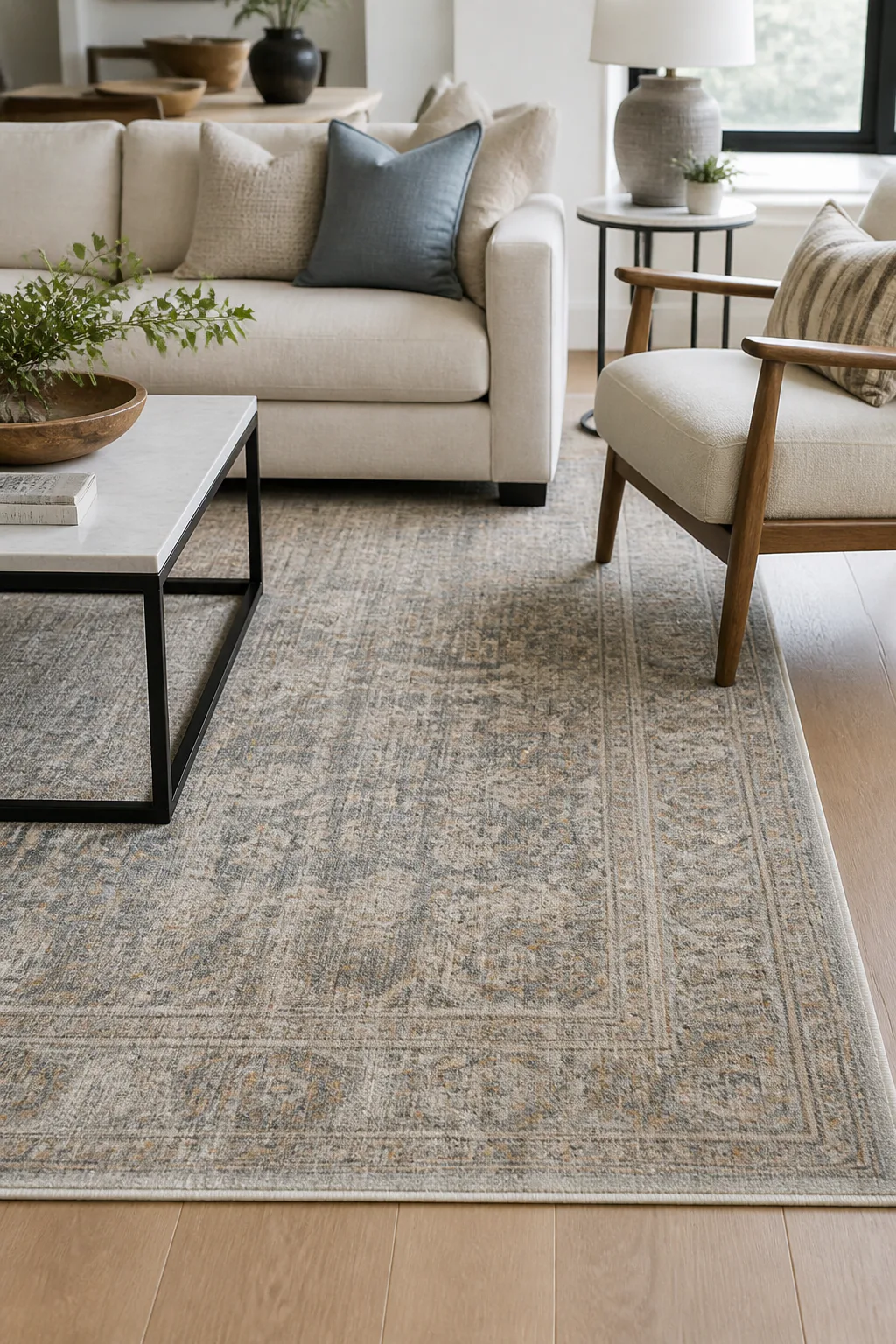
A generously sized area rug helps the seating group read as one welcoming zone instead of a collection of furniture floating around the room. It can also make an open-plan living area feel more defined without adding a screen or bulky divider.
Choose a rug that relates to the size of your sofa and chairs, leaving enough visible flooring around the edges to frame the arrangement. A too-small rug can make even lovely furniture feel disconnected, while a well-scaled one gives the room a more settled foundation.
How to get the scale right
Lay out the seating before shopping, then measure the footprint you want the rug to cover. Ideally, all the main furniture legs sit on the rug; if that is not practical, make sure at least the front legs of each piece rest on it.
- Use painter’s tape to mark the rug outline on the floor.
- Keep the sofa and chairs close enough to support conversation.
- Choose a pattern or texture that complements, rather than competes with, upholstery.
The rug can quietly connect colors from the rest of the room, tying the seating area together without demanding attention.
2. Frame the Fireplace with Dark Built-In Bookshelves
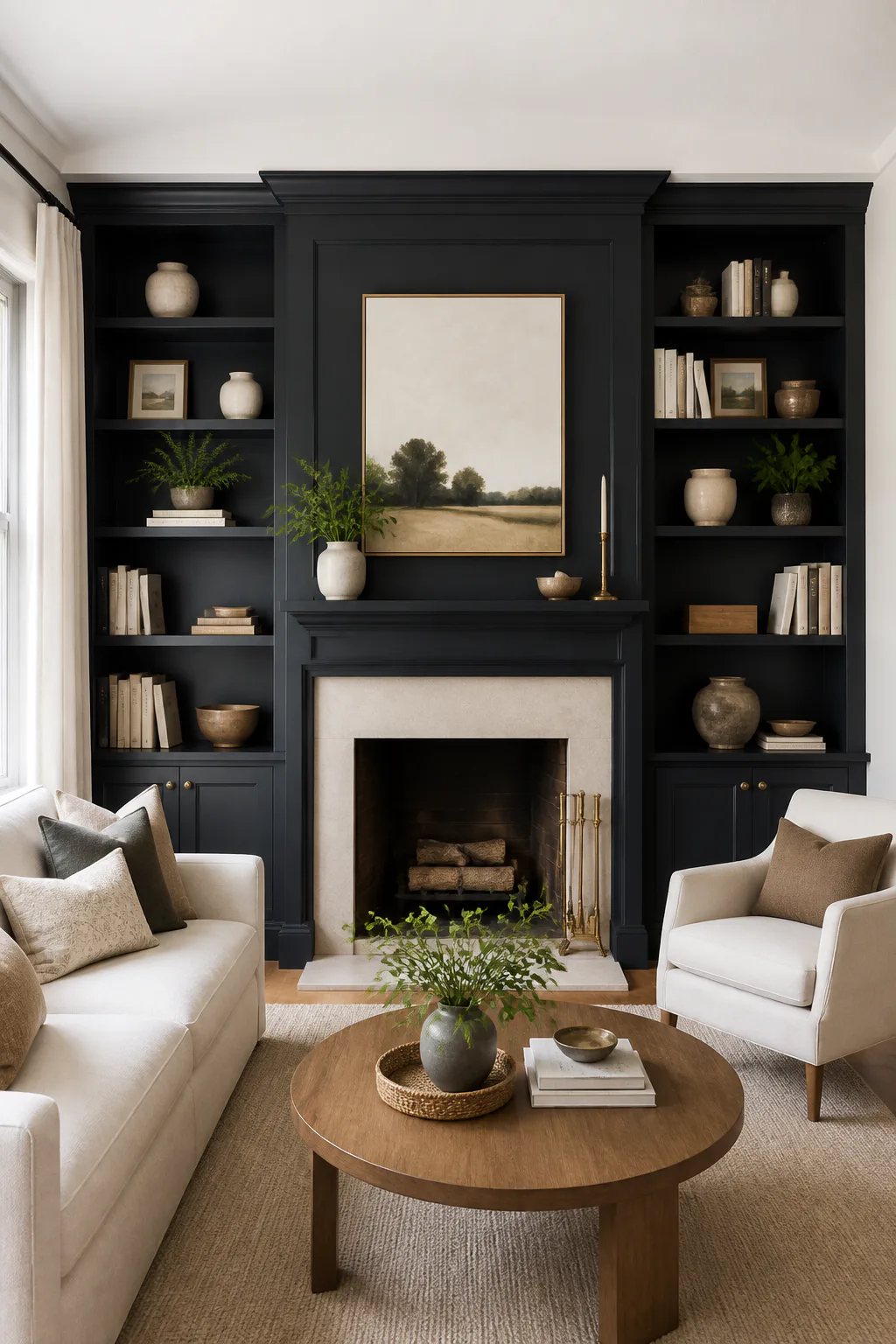
Tall built-in bookshelves in charcoal or deep navy can turn a fireplace wall into a dramatic, library-like focal point. The dark color gives books, art, and pottery a rich backdrop, while shelves that reach upward draw the eye toward the ceiling.
Because a dark wall can feel visually weighty, balance it with lighter elements nearby. An ivory or cream sofa, pale textiles, and warm wood details help the room feel inviting rather than overly formal. This idea works especially well when the fireplace is already the natural center of the living room.
Make the contrast feel welcoming
Repeat the shelf color in small details elsewhere, such as a frame or lamp base, so it feels intentional. Leave some open space on the shelves, too; a packed wall can look busy and make the fireplace compete for attention.
- Mix upright books with a few horizontal stacks.
- Add pottery or framed art in varied shapes and heights.
- Keep the mantel relatively simple to preserve a clear focal point.
The result is a strong architectural feature softened by comfortable seating and personal objects.
3. Place Matching Chairs on Either Side of the Fireplace

A pair of matching accent chairs can bring calm symmetry to a living room, especially when placed on either side of a fireplace. Their repeated shape creates a composed frame for the mantel and makes the fireplace feel like the intentional heart of the room.
This arrangement can also improve conversation. Angle the chairs slightly toward the sofa rather than lining them up rigidly, and leave enough room to move around them. The look suits traditional spaces, but streamlined chairs in simple upholstery can make it feel fresh in a more modern room.
Balance symmetry with comfort
Matching chairs do not need to make the whole room perfectly symmetrical. Keep the pair consistent, then use a side table, lamp, or artwork to bring balance to the rest of the seating area.
- Check that each chair has a comfortable view of the fireplace.
- Leave a clear route between the chairs and other furniture.
- Add a small shared table if the layout allows it.
A measured arrangement gives the room structure while keeping the seating practical for everyday use.
4. Divide an Open Plan with a Floating Console
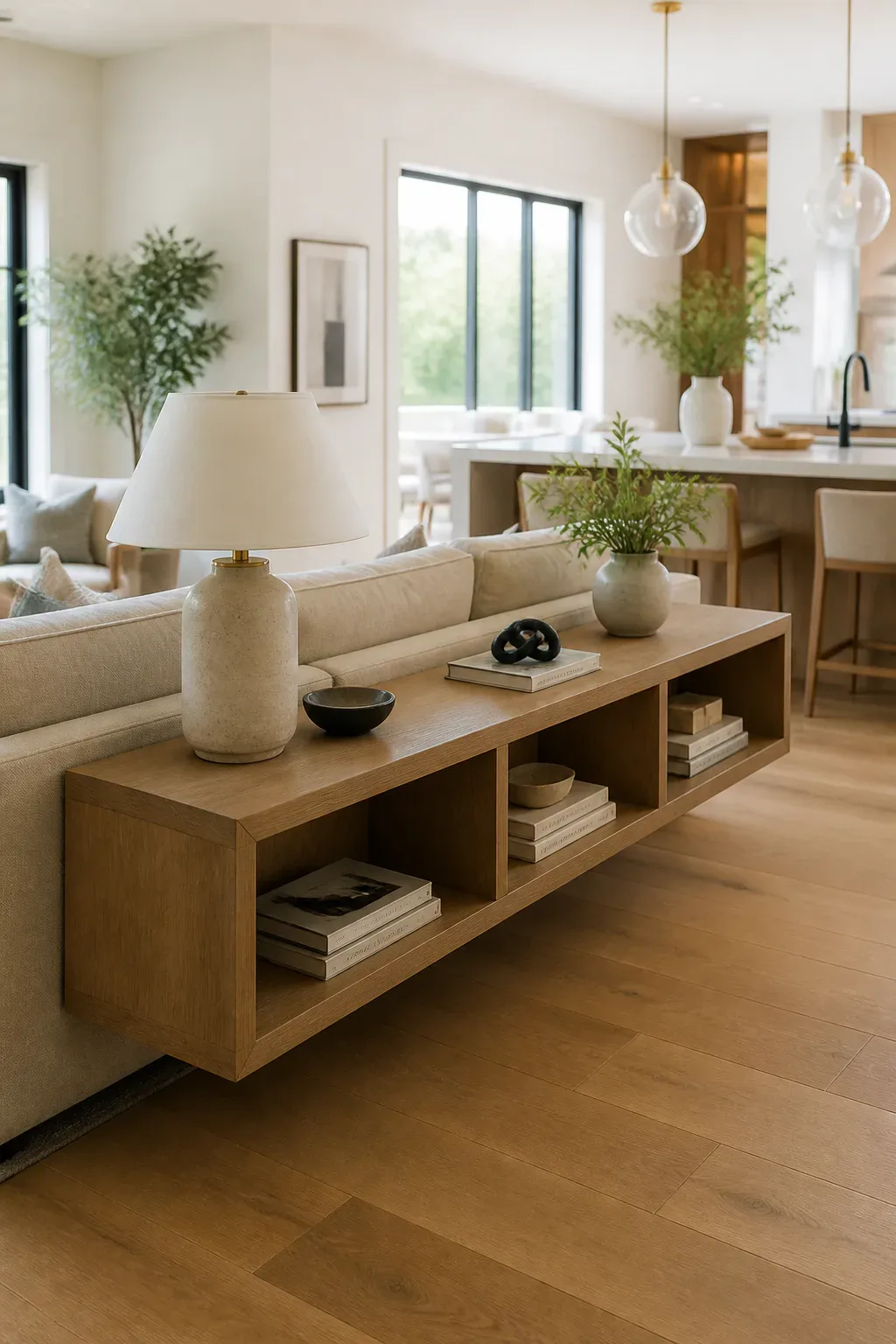
In an open-plan home, a low sofa back or floating console can mark where the living area ends and another zone begins. This subtle boundary helps the room feel organized without closing off sightlines, daylight, or conversation.
Position the sofa with its back toward the adjoining space, then place a narrow console behind it if there is room. The console provides a useful surface for lighting or a small display, while the sofa defines the seating group. Keep the arrangement low enough to preserve the open feeling.
Keep the layout easy to move through
Before settling on a position, walk the routes between the entry, kitchen, and living area. A divider works best when it gives each zone a purpose but does not turn a natural walkway into an obstacle.
- Choose a console with a shallow profile for tighter rooms.
- Use a lamp or a few carefully chosen objects rather than clutter.
- Align the seating group with a rug to reinforce the living zone.
This approach creates definition while keeping the shared space connected and bright.
5. Create a Sage Green Living Room
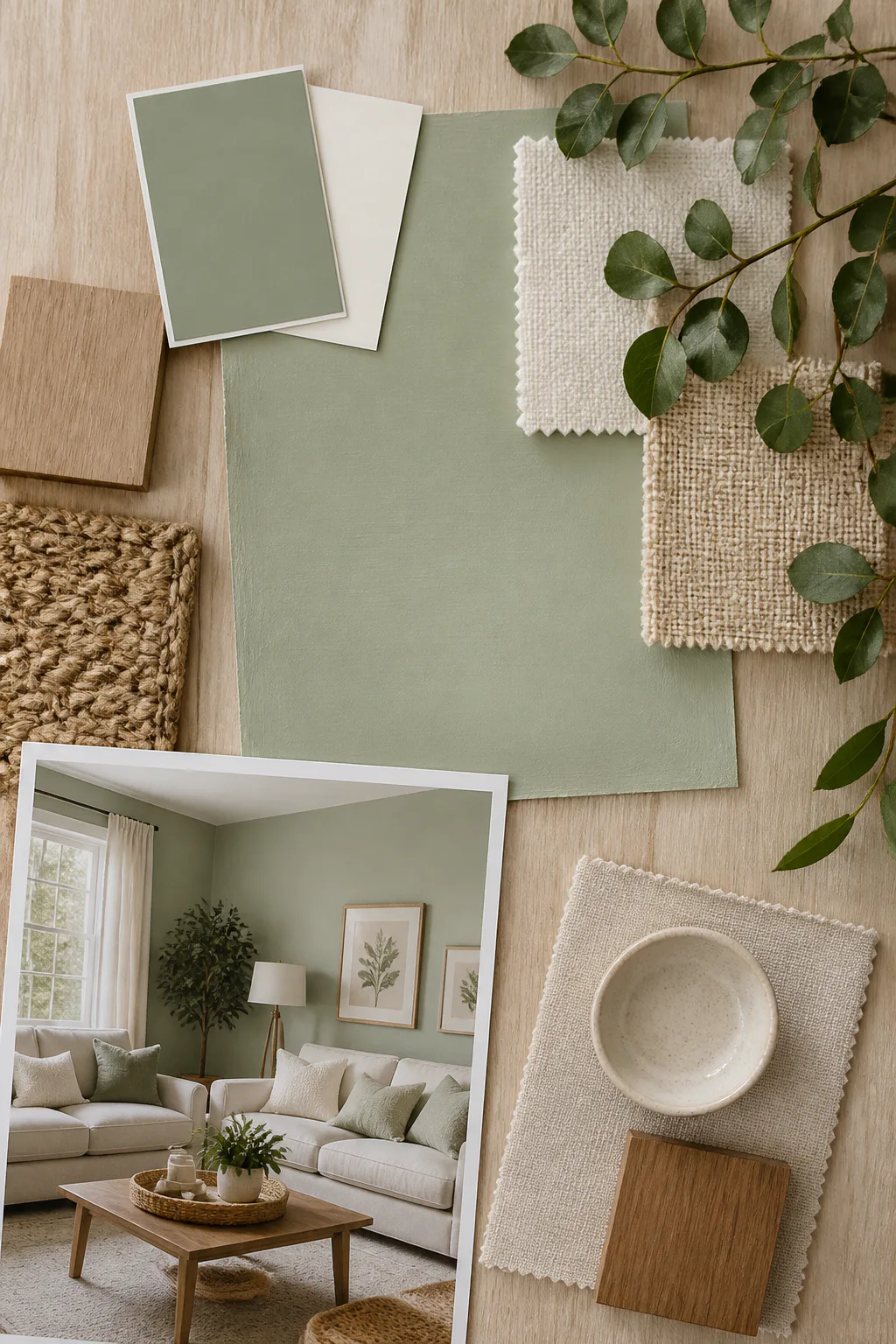
Muted sage walls bring a soft, nature-inspired quality to a living room. The color feels restful without being plain, making it a lovely backdrop for rooms where you want to relax, read, or spend time with family.
Pair sage with oatmeal or beige seating to keep the palette warm and grounded. Natural wood, woven textures, and a few leafy plants can build on the organic mood, while creamy curtains or cushions help prevent the green from feeling too cool or heavy.
Build a gentle, layered palette
Try the wall color alongside the room’s flooring and upholstery before committing. Sage can shift in appearance with changing daylight, so look at it at different times and consider how much wall space will be painted.
- Use warm neutral upholstery as a calm foundation.
- Add cream or ivory accents to create contrast.
- Bring in wood or natural woven materials for extra warmth.
A restrained palette lets the wall color set a peaceful tone while furnishings keep the room comfortable and personal.
6. Add Black-Framed Windows and Sculptural Accents
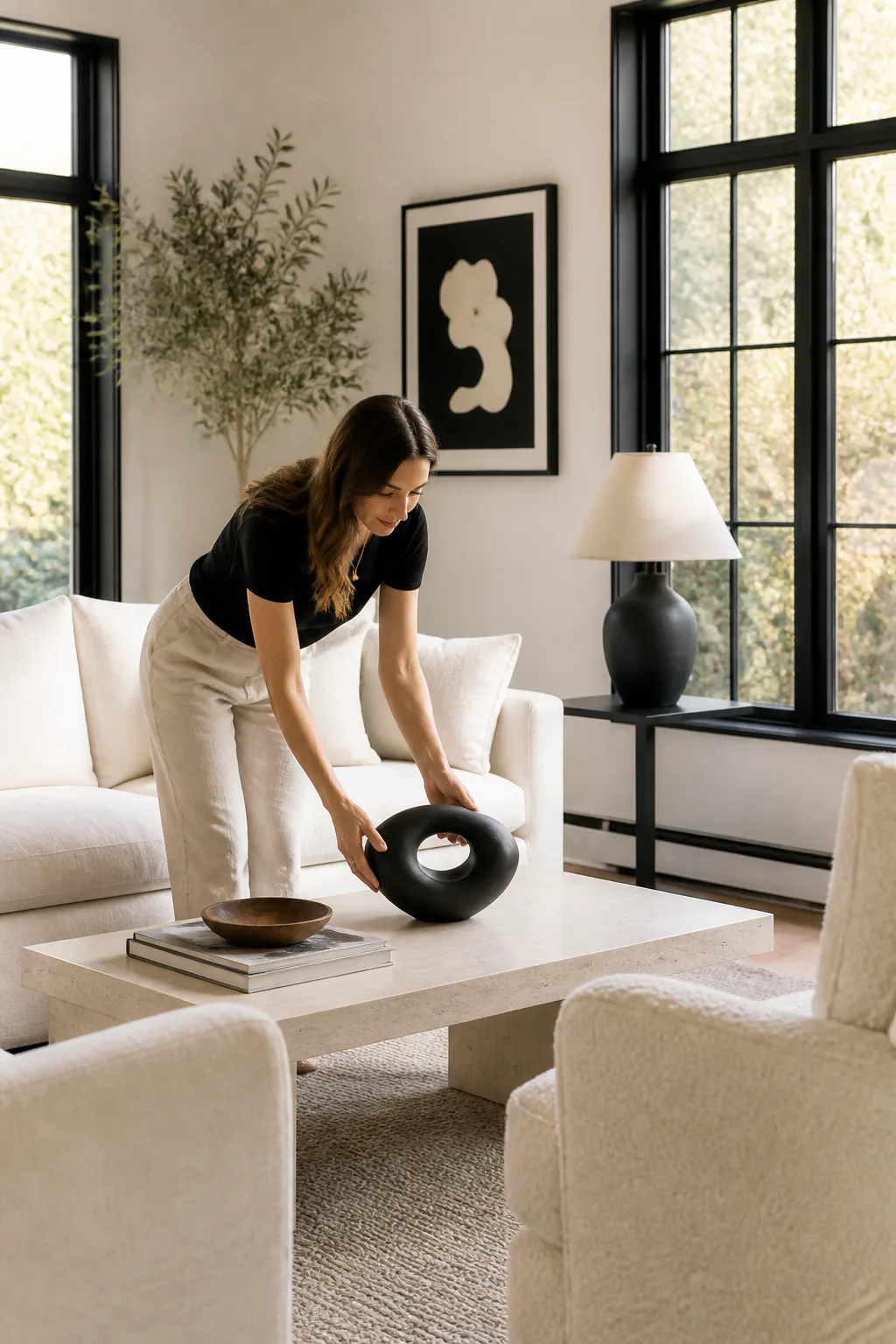
Black-framed windows create crisp lines that stand out beautifully against pale walls and ivory upholstery. If your home already has dark window frames, echoing that color in a few decorative pieces can help the architecture feel connected to the rest of the room.
Matte-black accents add contrast without introducing another strong color. Think of a sculptural bowl, a lamp base, or a simple frame rather than a collection of small dark objects. The effect works in both modern and more relaxed spaces when the room keeps plenty of lighter surfaces.
Repeat the dark accents thoughtfully
Let the window frames remain the main graphic feature, then repeat black in a limited number of places around the seating area. This creates visual rhythm while leaving the room bright and easygoing.
- Pair dark frames with ivory or other light upholstery.
- Choose a few larger matte-black objects over many tiny ones.
- Mix in soft textiles or warm wood to temper the contrast.
The key is balance: a small number of confident dark notes can give a pale room definition.
7. Layer Powder Blue with Linen and Light Oak
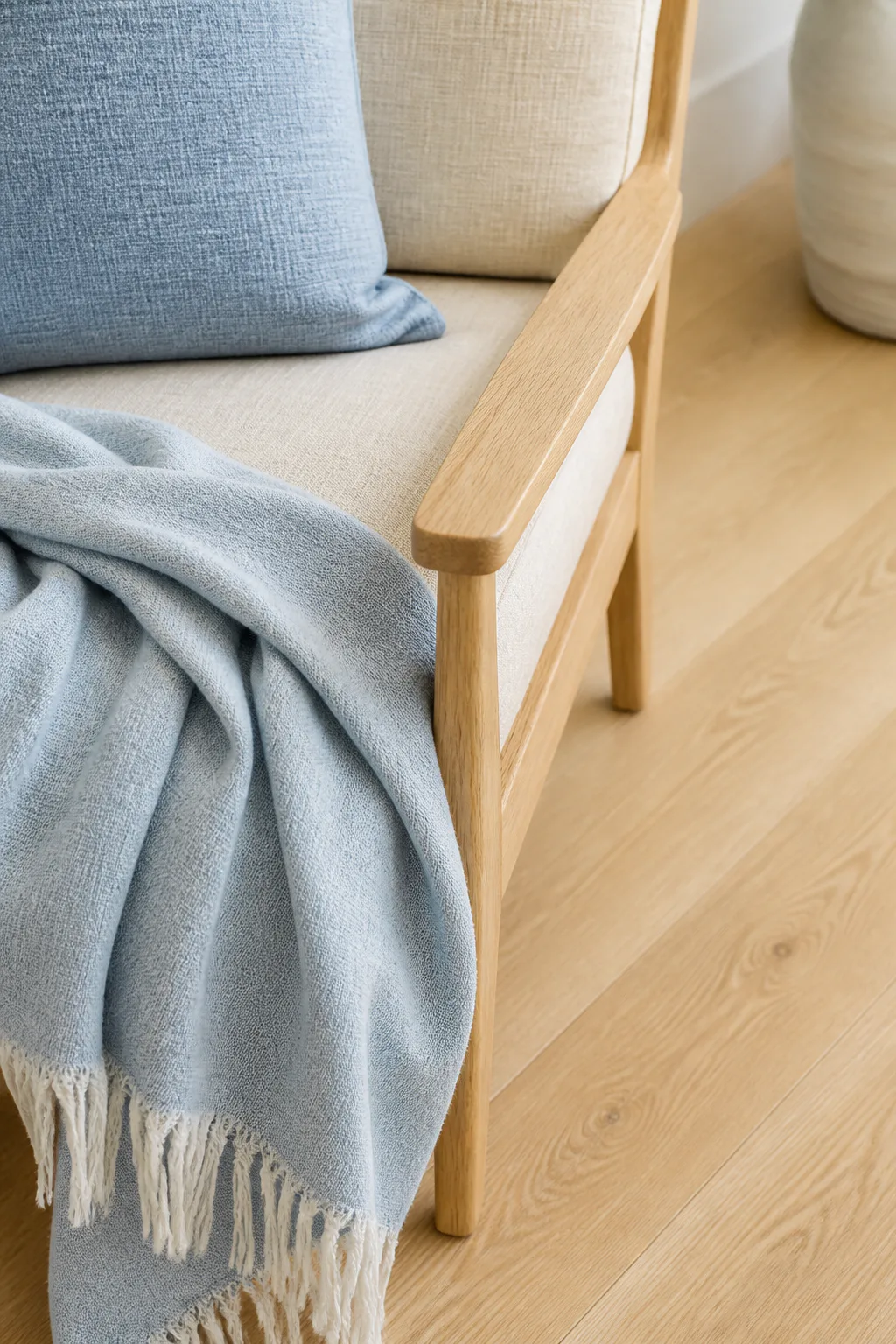
Pale powder blue brings a light, airy feeling to a living room, especially when paired with linen armchairs and light oak flooring. The combination has a relaxed, coastal character without requiring a room full of nautical motifs.
Use blue in measured layers so the space remains soft rather than overly themed. Cushions, a throw, or a small piece of art can introduce the color alongside natural textures. Linen upholstery adds an easy, lived-in quality, while light wood keeps the overall palette warm.
Keep the palette fresh, not chilly
Balance cool blue with warm neutrals and tactile materials. If the room gets cool or muted light, lean into oatmeal, cream, or natural wood details to keep it feeling welcoming throughout the day.
- Start with one or two powder-blue accents.
- Choose linen or other relaxed-looking upholstery.
- Use light oak or pale wood to add warmth and texture.
These gentle colors work together to create a bright room that still feels comfortable for everyday living.
8. Add a Forest Green Accent to a Neutral Room
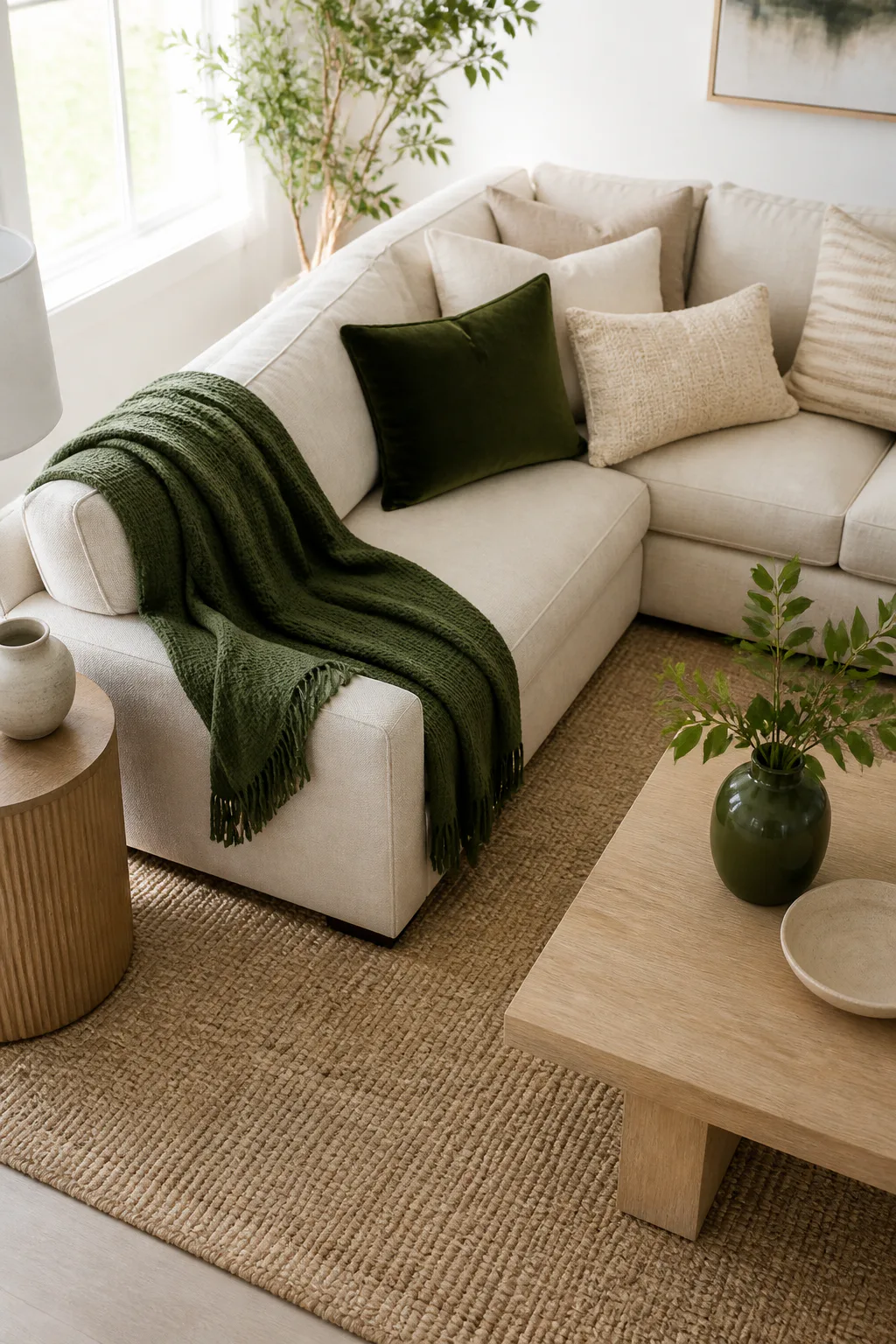
A deep forest-green accent can give a neutral living room a clear focal point without changing the whole palette. Against sand and cream furnishings, the color feels grounded and rich, adding depth to a room that might otherwise seem too pale.
You can introduce green through a throw, a ceramic vase, or a statement plant. A single noticeable accent often has more impact than scattering many small green pieces around the room. Choose an item that suits how you use the space and is easy to move or update later.
Choose one strong note
Look for a spot where the green can be seen from the main seating area, such as the sofa, coffee table, or a nearby sideboard. Repeat the shade only if the room needs a little more visual connection.
- Drape a forest-green throw over a cream sofa.
- Use a ceramic vase as a simple tabletop accent.
- Bring in a leafy plant for color with natural variation.
This small dose of color adds character while letting the neutral foundation remain calm and versatile.
9. Hang a Statement Pendant over the Seating Area

A statement pendant or chandelier can give the seating area a clear visual center and add an architectural detail overhead. It works particularly well when the living room lacks a strong focal point, or when you want the lighting to feel more considered than a single basic ceiling fixture.
Overhead light is only one part of a comfortable room, though. Pair the pendant with warm table lamps so the space has softer light for reading, conversation, and evenings. This layered approach makes the room feel welcoming instead of relying on one bright source.
Plan for light at different heights
Choose a fixture that suits the room’s scale, and position it in relation to the seating rather than simply the center of the entire open floor plan. If there is a table or rug anchoring the group, use those elements to guide the placement.
- Use the pendant to define the seating zone visually.
- Add table lamps near the sofa or an accent chair.
- Consider drapery as another soft layer around the windows.
With more than one light source, the room can shift easily from bright and active to calm and cozy.
10. Place an Oversized Mirror Opposite a Window
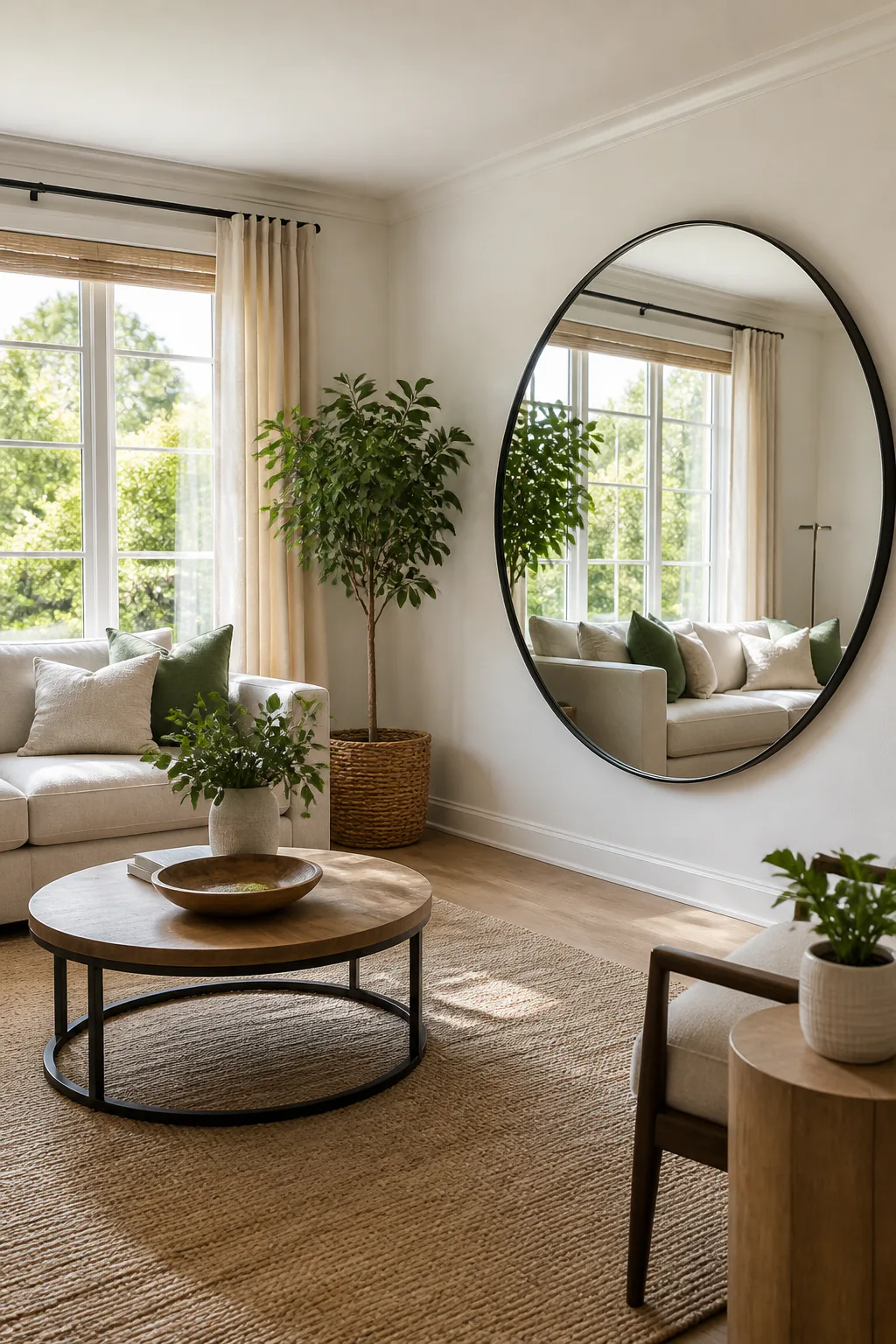
An oversized mirror placed opposite a window can reflect daylight deeper into the living room. It is especially useful in a compact or darker space where you want the room to feel brighter without adding more furniture or visual clutter.
A large round mirror brings a softer shape to a room filled with straight-edged windows, shelving, and sofas. Before hanging it, check what it will reflect: a view of greenery or an attractive feature can enhance the room, while a cluttered corner may simply be doubled.
Position it with the view in mind
Test the mirror’s location by holding it or marking the wall before installation. Think about both the angle from the seating area and how the reflected light changes as daylight moves through the room.
- Place the mirror across from a window where possible.
- Choose a size that feels proportionate to the wall.
- Keep the reflected area as clear and appealing as you can.
Used thoughtfully, a mirror adds light and depth while acting as a simple decorative focal point.
11. Style a Living Room with Warm Brass Accents
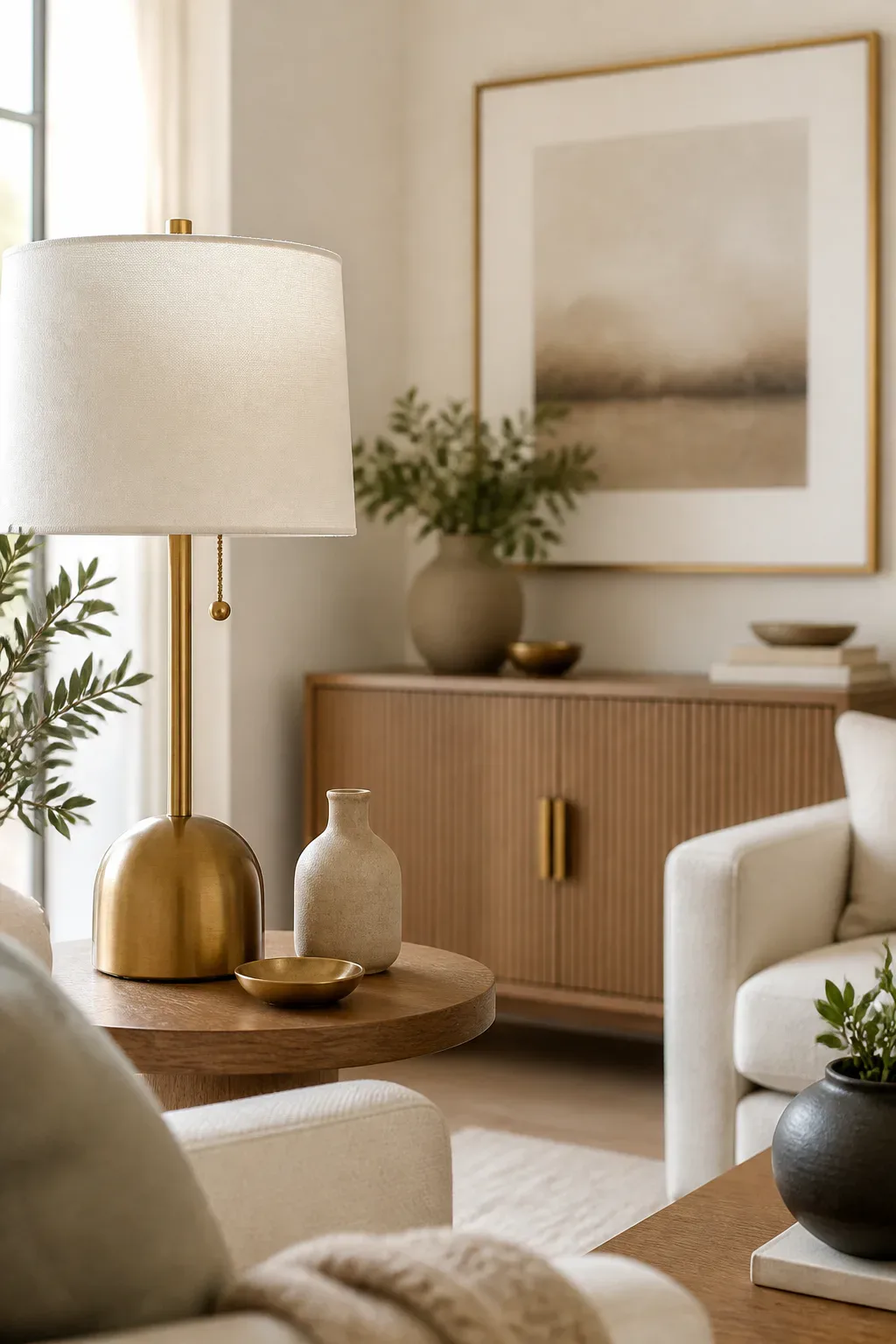
Brushed brass or aged bronze details bring a warm glow to a living room, especially when paired with matte ceramics and textured wood. The metal can appear in lighting, hardware, or a small decorative object, adding a subtle finish without taking over the palette.
Warm metals work across many styles, from classic rooms to relaxed contemporary spaces. Their effect is strongest when they are balanced with softer, less reflective materials. Matte surfaces and visible wood grain keep the room from feeling too shiny or overly formal.
Repeat the finish with restraint
Choose a few places for the metal to appear, such as a lamp and cabinet pulls, so the accents feel connected. The pieces do not have to match exactly, but keeping them in a similar warm family can make the mix feel considered.
- Try brass or bronze on a table lamp or pendant.
- Pair metal accents with matte pottery.
- Use textured wood to add a natural counterpoint.
These details add warmth and polish while allowing the room’s furniture and personal objects to stay in focus.
12. Mix Boucle, Fluted Wood, and Chunky Knits
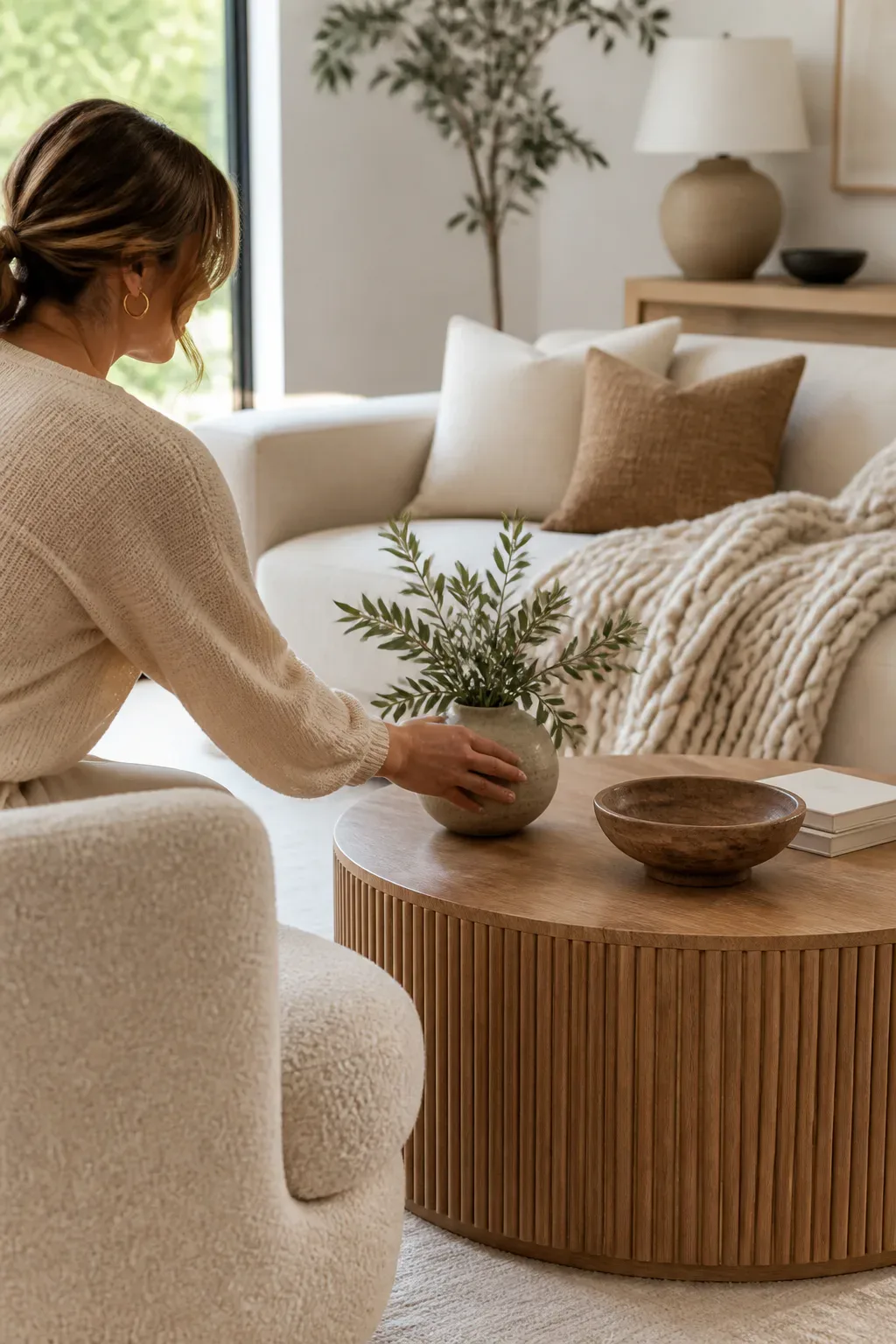
Combining different textures can make a neutral living room feel rich and inviting even when the color palette is simple. A boucle chair, a fluted wood coffee table, and a chunky knit throw each bring a distinct surface that gives the eye and hand something to notice.
The mix works because the materials contrast without competing for attention. Soft upholstery offsets the defined lines of fluted wood, while a knit throw adds a relaxed finishing layer. Use these textures around the seating group, where comfort and close-up detail matter most.
Vary the texture, not just the color
Start with one tactile feature and build around it rather than introducing several new materials at once. Keep the shapes and colors connected to the rest of the room so the combination feels layered, not busy.
- Use a boucle chair as a soft, sculptural accent.
- Add fluted wood through a coffee table or side table.
- Drape a chunky knit throw over the sofa or chair.
Thoughtful contrasts bring depth to the room while preserving the ease of a restrained palette.
13. Style Shelves with Books, Art, and Pottery
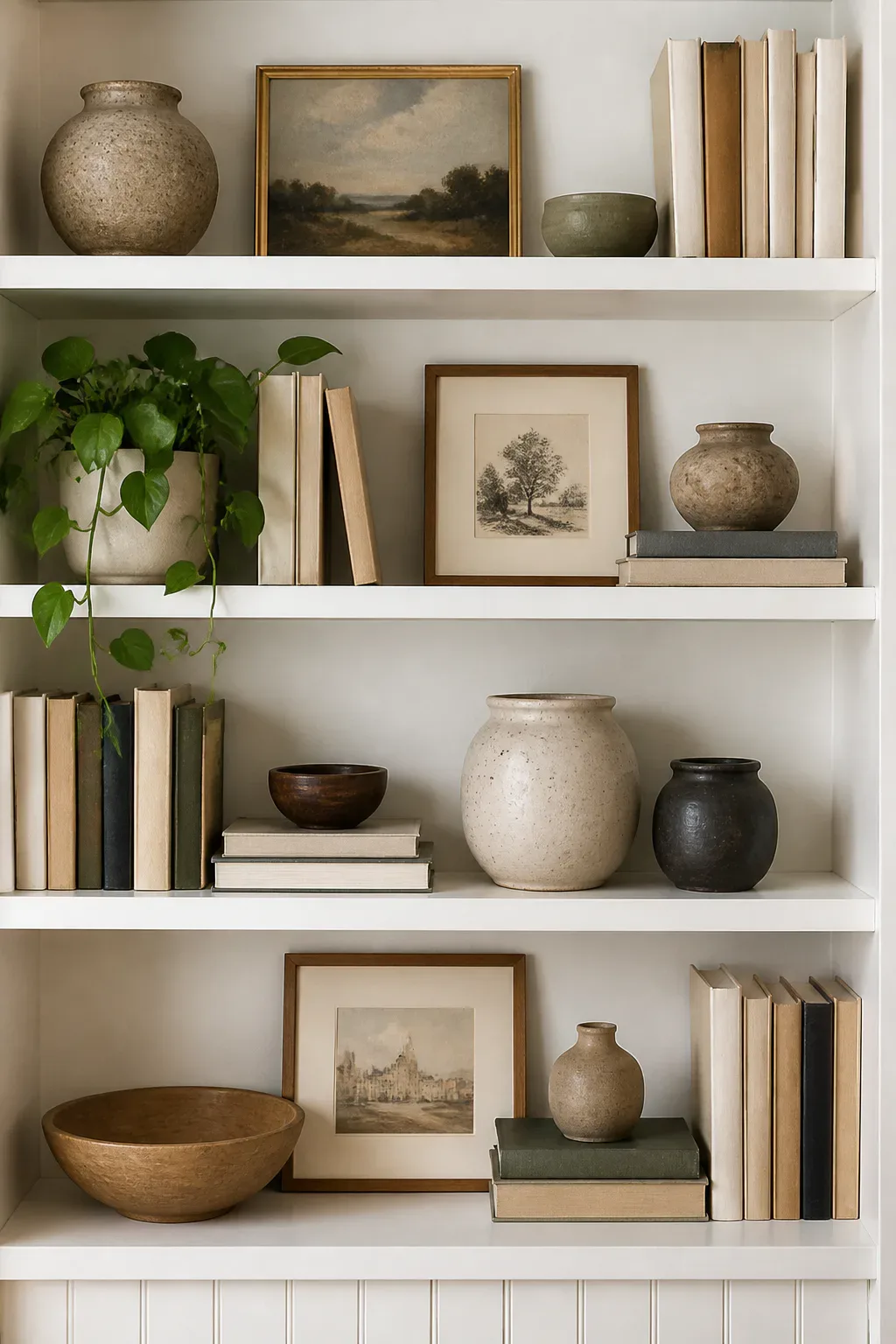
Shelves feel more personal when they mix useful books with artwork and pottery rather than displaying identical objects in a row. This collected look suits built-ins, a fireplace wall, or a sideboard, and it gives the living room a chance to show a little of what you enjoy.
Vary the shapes and spacing so the arrangement feels relaxed. Books bring color and structure, leaning framed art adds a change of scale, and handmade-looking pottery introduces an organic form. Leaving some shelf space open is just as important as deciding what to display.
Arrange in small, balanced groupings
Work one shelf at a time and step back to see how the whole unit reads. Move objects around until the mix feels balanced, rather than trying to make every shelf follow the same formula.
- Combine upright books with short horizontal stacks.
- Lean a framed picture against the back of a shelf.
- Add pottery in varied sizes and leave breathing room.
A mix of practical and personal pieces makes storage feel like an intentional part of the room’s design.
14. Hang One Oversized Artwork Above the Sofa

A single oversized artwork can give the wall above a sofa or mantel a calm, confident focal point. A large abstract or seascape canvas creates a place for the eye to rest, which can feel less busy than a gallery wall when the living room already has patterned textiles or detailed shelves.
Scale matters: the artwork should feel connected to the furniture below it, not like a small accent stranded on a wide wall. Consider the colors in the piece alongside your upholstery and rug, but do not worry about matching every shade exactly.
Make the art feel connected to the room
Hold the artwork in position or use paper cut to its size to preview the composition. Hang it at a comfortable viewing height and leave enough space around it so the piece can stand on its own.
- Choose a canvas with a scale that suits the sofa or mantel.
- Look for colors that relate to, but do not duplicate, the room.
- Keep nearby wall decor minimal so the artwork remains the focus.
One well-chosen piece can bring the seating area together with a quiet, finished feel.
15. Bring in a Tall Tree in a Textured Planter
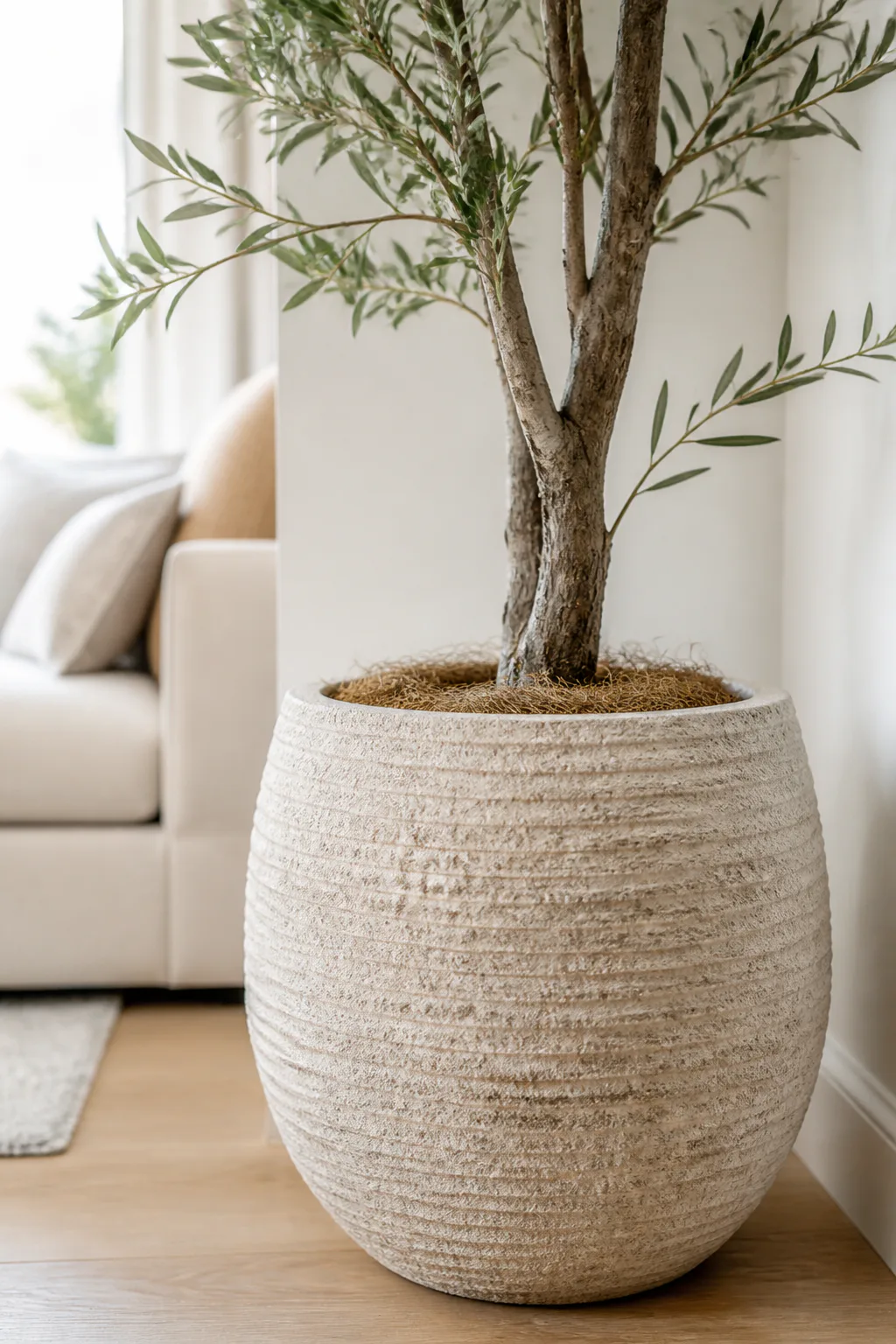
A tall indoor tree adds height, natural color, and a sculptural shape to the living room. A fiddle-leaf fig, olive tree, or bird of paradise can fill an empty corner and soften the straight lines of walls, windows, and large furniture.
The planter is part of the look, too. Stone adds a grounded, substantial feel, while woven rattan brings a lighter, more relaxed texture. Place the tree where it can be enjoyed without blocking a walkway, window, or useful surface.
Give the plant a practical place
Consider the room’s available light and the care needs of the plant before choosing one. A healthy tree will make a stronger impression than a variety that is poorly suited to the spot, so let the conditions guide your choice.
- Use an empty corner to add height without crowding the seating.
- Choose a stone or woven planter that suits the room’s materials.
- Leave enough space around the plant for access and care.
A living accent brings a fresh, natural finish to the room and connects the decor to the outdoors.
Final Thoughts
Thoughtful living room decorating is less about adding more and more about choosing details that support the way you use the space. A rug can anchor the furniture, lighting can shift the mood, and color or texture can make a familiar room feel newly considered.
Start with one change that solves a real need or catches your eye, then build gradually. When the layout feels comfortable and the materials, colors, and personal touches work together, your living room can feel both polished and genuinely yours.



