
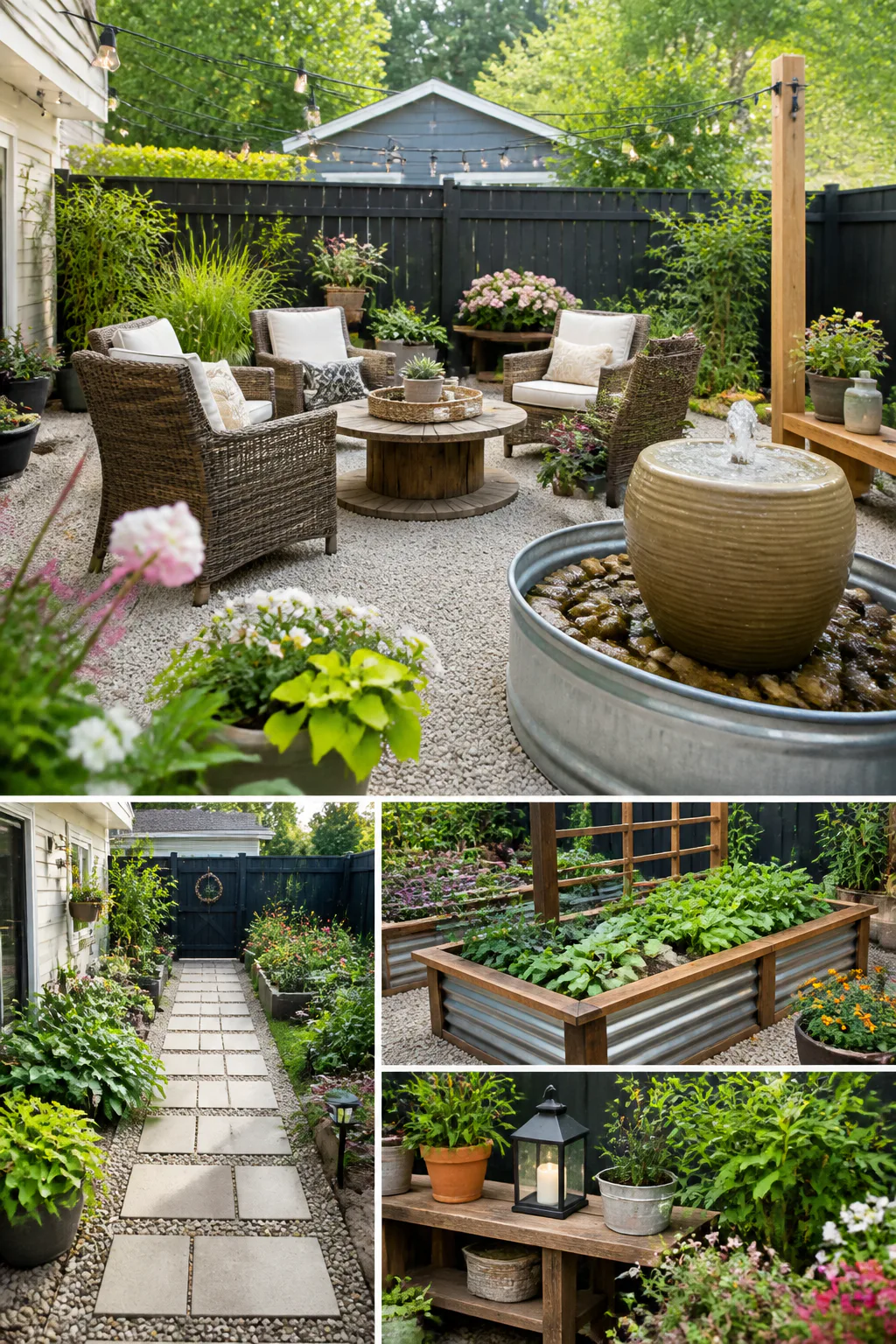
14 Clever Budget Backyard Ideas
A welcoming backyard does not have to start with a major renovation or a long shopping list. A few well-chosen projects can make an outdoor space feel more comfortable, useful, and personal while keeping the work manageable.
These budget-friendly ideas cover seating, lighting, paths, shade, and planting, so you can focus on the parts of the yard you use most. Some are quick refreshes; others are simple DIY projects that can be completed in stages.
Whether you rent, have a compact patio, or are gradually improving a larger yard, adapt each idea to your space and skills. Check local safety requirements before building or installing features, and choose materials suited to your climate and outdoor conditions.
Quick Answer
The best backyard ideas on a budget are a cozy gravel patio, string lights across the yard, a paver path through the lawn, a stenciled patio or deck and a fire pit seating circle. Other affordable projects include a plant privacy screen, a fountain made from a large planter, simple raised beds, a shade sail, a pallet vertical garden, an outdoor rug to define seating, a pallet or cinder block bench, a garden grown from starter plants and a thrifted bistro set.
1. Create a Cozy Gravel Patio

A gravel patio creates a clear place to gather without the expense and permanence of a poured surface. It can work beside the back door, under a dining table, or in a quiet corner of the yard where you want to add a couple of chairs. Pea stone offers a softer, rounded look, while other gravel choices can feel more structured.
Start by choosing a level area with practical access from the house. A well-defined border helps keep stones from wandering into the lawn, and landscaping fabric beneath the gravel can help separate it from the soil.
How to make it feel finished
Prepare the site carefully before filling it, since a stable base makes the patio more comfortable to use. Think about how chairs will sit and leave enough room to walk around them.
- Mark the patio shape with a hose or stakes before digging.
- Use a sturdy edging material to contain the gravel.
- Add a small table, outdoor rug, or planters to define the seating area.
A simple gravel surface can become the foundation for lighting, container plants, and comfortable seating as your backyard evolves.
2. Drape String Lights Across the Backyard

String lights add a welcoming glow to a patio or dining area and make the backyard feel inviting after sunset. They can be hung above a seating zone, along a fence, or between sturdy trees, depending on the layout. Even a small arrangement can help visually connect different parts of the yard.
Before hanging anything, decide where people will sit and walk. Plan the route so the lights are visible from the main gathering area but do not hang low over paths or interfere with doors and branches.
Plan a safe, balanced layout
Use outdoor-rated lights and follow the manufacturer’s installation directions. If you are attaching lights to a house, fence, or posts, choose secure fixing points and avoid relying on weak branches or loose hardware.
- Sketch the path of the lights before installing hooks or supports.
- Use a guide wire for a longer span if the lights need extra support.
- Choose a simple zigzag or straight line rather than overcrowding the area.
- Use an outdoor-rated extension cord and keep connections protected as directed.
With thoughtful placement, string lights can make an ordinary patio feel like a natural evening destination.
3. Lay a Paver Path Through the Lawn

A path of individual concrete pavers makes it easier to move through the yard while adding structure to open lawn. It can lead from the patio to a garden bed, shed, or seating nook, giving the space a sense of direction without paving the entire route.
Space the pavers to suit a comfortable walking stride, then fill the gaps with gravel, moss, or creeping thyme where conditions allow. The choice changes the look: gravel feels tidy and straightforward, while low-growing plants soften the edges and blend the path into the garden.
Set a path that works for your yard
Lay the pavers out before digging so you can adjust the route and spacing. A gentle curve can feel natural, but a direct line may be more useful for frequently traveled routes.
- Choose flat pavers with a surface that is comfortable to walk on.
- Set each paver on a prepared, level base to reduce wobbling.
- Check the route from the house and keep it clear of obstacles.
- Use a gap filler suited to your sunlight, soil, and maintenance preferences.
A modest path can make a yard feel more intentional while protecting grass from repeated foot traffic.
4. Stencil a Tired Patio or Deck
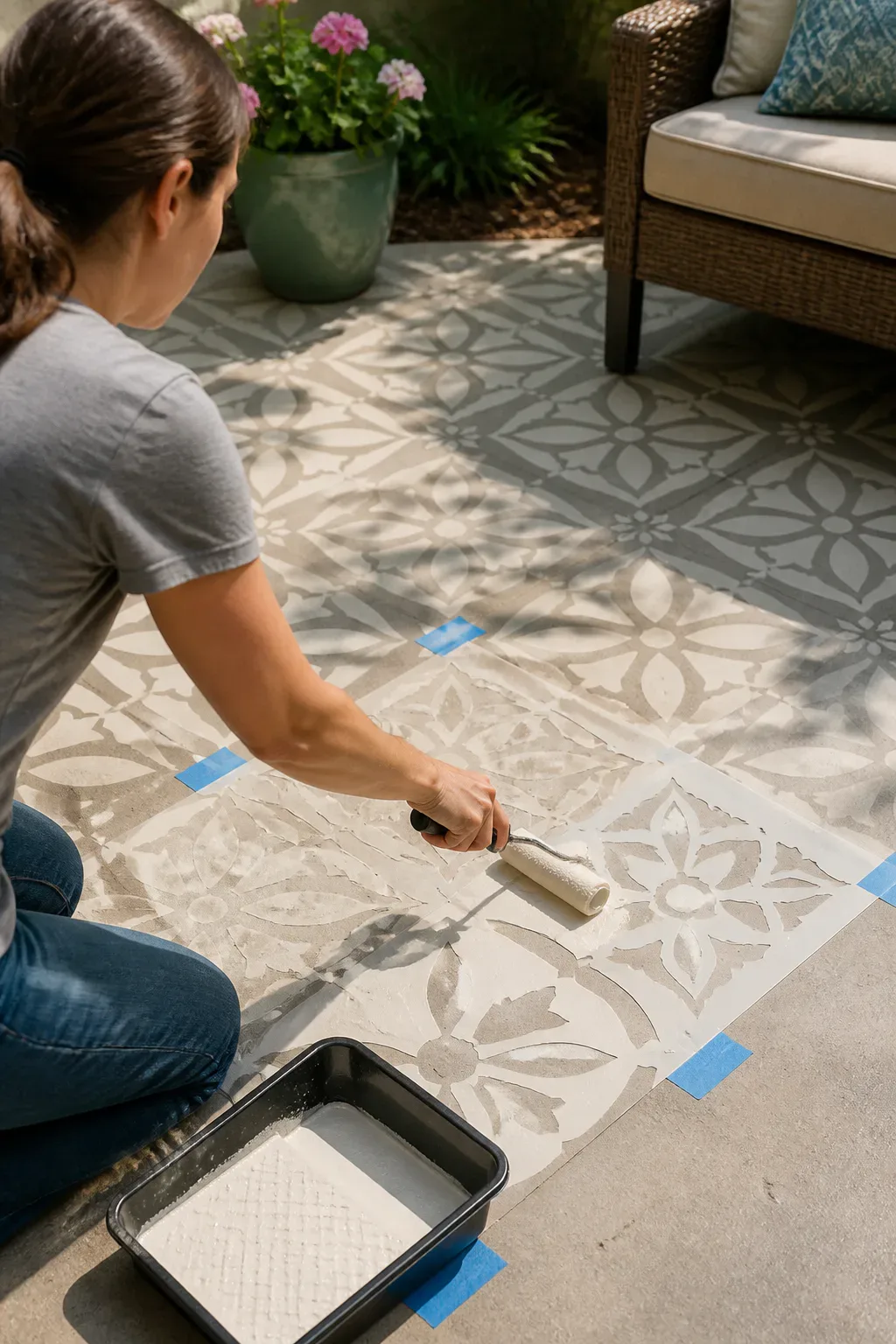
Paint, stain, or a decorative stencil can give a worn patio or deck a fresh look without replacing the whole surface. A pattern can turn plain concrete into a focal point, while a solid color or stain can make weathered boards feel more cohesive. This approach works especially well when the surface is structurally sound but looks tired.
Choose a finish designed for the surface and outdoor use, and test the color or stencil in a discreet area first. A subtle pattern can complement furniture and planters, while a bolder design can bring energy to an otherwise simple seating space.
Prepare before adding color
Good preparation matters: clean the surface, allow it to dry, and repair or address problem areas according to the product directions. Pay attention to weather and drying conditions so the finish has a chance to set properly.
- Pick a paint or stain made for concrete or exterior wood, as appropriate.
- Use painter’s tape or a stencil to keep edges and repeats neat.
- Try a small sample before committing to a large area.
- Follow directions for drying time and any recommended sealing.
A refreshed surface can help older outdoor furniture and simple accessories feel like part of a coordinated room.
5. Build a Fire Pit Seating Circle

A fire pit can give the backyard a natural gathering point for relaxed evenings. Arrange chairs in a circle or semicircle so everyone can talk comfortably, whether the setup is in a corner of the lawn or on a suitable patio. Retaining wall blocks can form a simple DIY fire pit, while a portable option may suit people who want a less permanent setup.
Safety should guide the location and design. Check local rules before using a fire pit, keep it away from structures and overhanging branches, and make sure the ground and surrounding area are appropriate for the type of pit you choose.
Make the seating area comfortable
Thrifted chairs or affordable outdoor seats can keep the project approachable. Arrange them with enough space to move around, and choose weather-resistant cushions that can be stored when not in use.
- Confirm local fire regulations before building or lighting a pit.
- Use materials intended for the type of fire feature you are making.
- Keep a clear, stable surface around the pit and seating.
- Store cushions and other combustible items away from flames.
A well-planned circle brings people together while keeping the rest of the yard flexible for other uses.
6. Create a Privacy Screen with Ornamental Grasses

Ornamental grasses can add height, movement, and visual fullness along a fence or property edge. Planted in a border, they can soften a bare boundary and create a more secluded feeling around a patio or seating area. Their texture also provides contrast beside hard surfaces, shrubs, and garden furniture.
Choose grasses based on the space available and the growing conditions in your yard. Some varieties grow tall and broad, so check their mature size before planting, and avoid choosing a plant simply because it looks compact in its container.
Plant for a natural screen
Lay out plants before digging to see how the grouping will look from the house and seating area. A staggered arrangement can feel fuller than a rigid row, while leaving enough room for each plant supports healthy growth.
- Match the grass to your sunlight, soil, and climate.
- Check mature height and width before deciding on spacing.
- Use a repeated grouping for a calm, cohesive border.
- Look up local guidance on whether a chosen grass is invasive.
Grasses can create a softer sense of privacy while adding a relaxed, garden-like backdrop to the yard.
7. Make a Fountain from a Large Planter

A large planter can become a compact water feature that brings sound and movement to a patio or garden corner. A small submersible pump circulates water, while river rocks can conceal parts of the setup and create a natural finish. Because the feature takes up little room, it can suit a small yard or a tucked-away seating nook.
Choose a sturdy, water-safe planter without a drainage hole, or use an appropriate method to make the container watertight. Position it where you can reach an outlet and maintain the pump, and consider how water will be topped up in warm weather.
Keep the setup simple to maintain
Follow the pump’s instructions for placement, water depth, and electrical safety. A fountain needs occasional cleaning to remove debris and keep water circulating properly.
- Select a stable container wide enough to conceal the pump.
- Arrange river rocks without blocking the pump’s intake.
- Use outdoor-rated electrical equipment as directed.
- Check water levels and clean the feature regularly.
A small fountain can add a soothing focal point without requiring a large pond or elaborate landscaping.
8. Build Neat Rectangular Raised Garden Beds

Raised beds create a tidy, defined place to grow vegetables, herbs, or flowers. Their simple rectangular shape is easy to organize in a backyard, and the raised edges can make planting and maintenance feel more manageable. Place a bed where it will receive appropriate sunlight and where you can reach it without stepping on the growing soil.
Dimensional lumber is a straightforward material for a basic frame, but choose wood suitable for outdoor use and consider what you plan to grow. Build the bed to a size that lets you access the center from the sides, then fill it with an appropriate growing mix.
Set up a practical growing space
Before assembling the frame, mark the location and check that it is reasonably level. Leave walkways between beds so watering, harvesting, and weeding do not become awkward.
- Choose a bed width you can comfortably reach across.
- Use suitable fasteners and materials for outdoor conditions.
- Position the bed for the light needs of your planned plants.
- Plan access to water before filling the frame.
One well-placed bed can bring order to a garden, and additional beds can be added later as your growing plans expand.
9. Add a Shade Sail Over the Patio
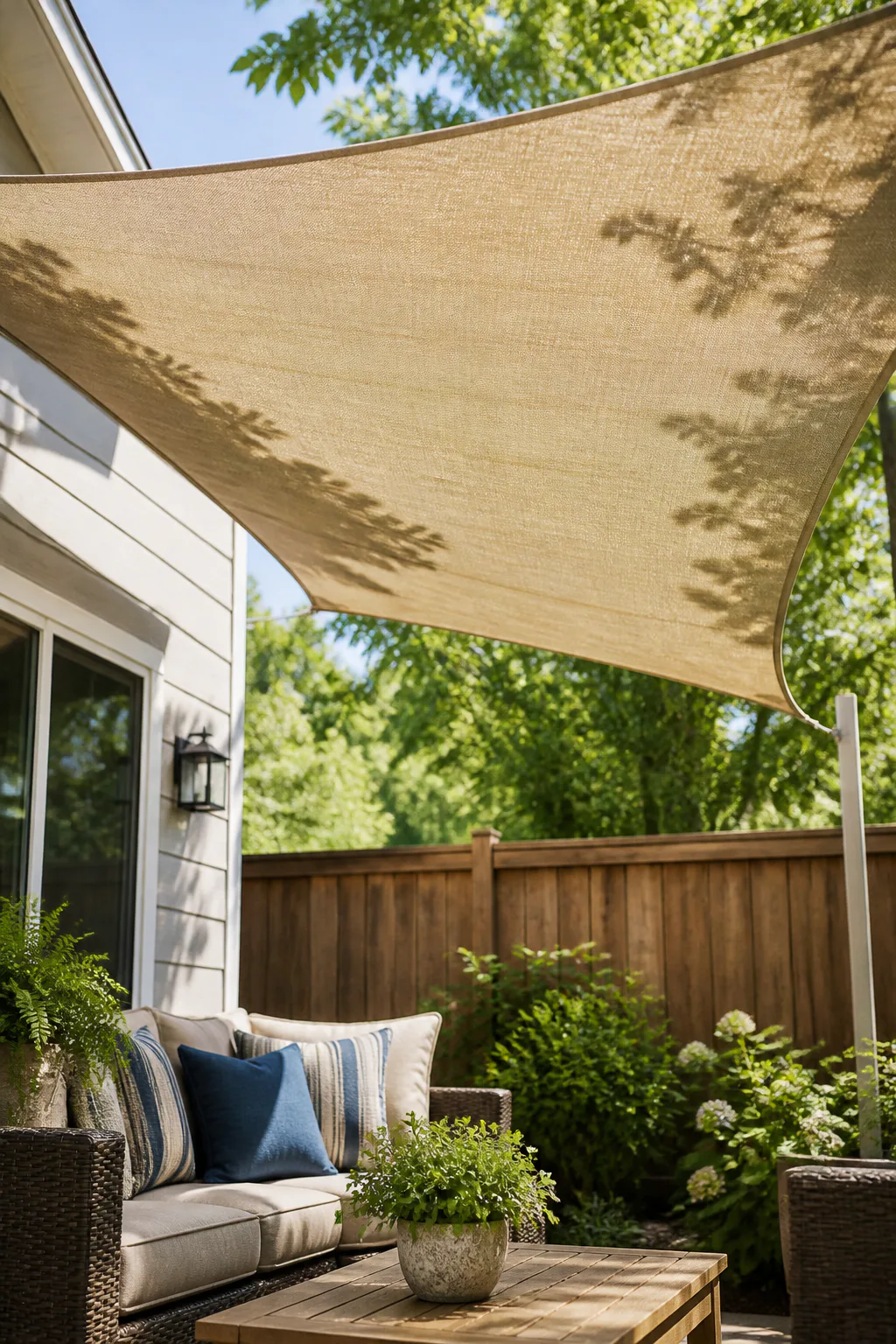
A shade sail can make a sunny patio more comfortable without building a permanent pergola. Its fabric surface gives the seating area a defined ceiling, and the angled shape can add a clean, modern detail to the backyard. It is especially useful over a table or lounge spot that gets strong direct sun.
Plan the shape and anchor points before purchasing or installing a sail. It needs secure supports and enough tension to sit properly, so identify whether the house, fence, or separate posts can safely bear the load. A flimsy fence panel may not be suitable.
Choose placement carefully
Consider the sun’s direction at the times you use the patio, and check that the sail will provide shade where it matters. Follow the manufacturer’s directions for clearances, hardware, tension, and weather conditions.
- Measure the area and map each proposed anchor point.
- Use sturdy supports and hardware suited to the installation.
- Allow for the sail’s angle and the path of rainwater.
- Follow guidance on taking it down during severe weather.
With good placement, a shade sail makes a patio more usable while keeping the setup lighter than a full structure.
10. Mount a Pallet Vertical Garden

A wooden pallet can turn a blank fence or wall into a vertical display for herbs or flowers. This approach adds greenery without using much floor space, which can be helpful in a narrow backyard or beside a patio. It also gives you a way to make use of a plain surface that otherwise contributes little to the garden.
Choose a pallet in sound condition and confirm that it is appropriate for planting use. Avoid one with unknown chemical treatment or damage, and make sure it is stable before adding soil or containers. A freestanding pallet can lean securely against a suitable surface, while a mounted one needs reliable fixings.
Arrange plants for easy care
Think about light, watering, and access before filling the display. Herbs need conditions that suit their varieties, and flowers should be placed where they can be reached for pruning and deadheading.
- Inspect the pallet for splinters, loose boards, and markings.
- Secure it so it cannot tip or pull away from its support.
- Use containers or liners that hold growing medium safely.
- Group plants with similar light and watering needs.
A vertical garden adds color and purpose to an unused wall while keeping the planting footprint compact.
11. Define a Seating Zone with an Outdoor Rug
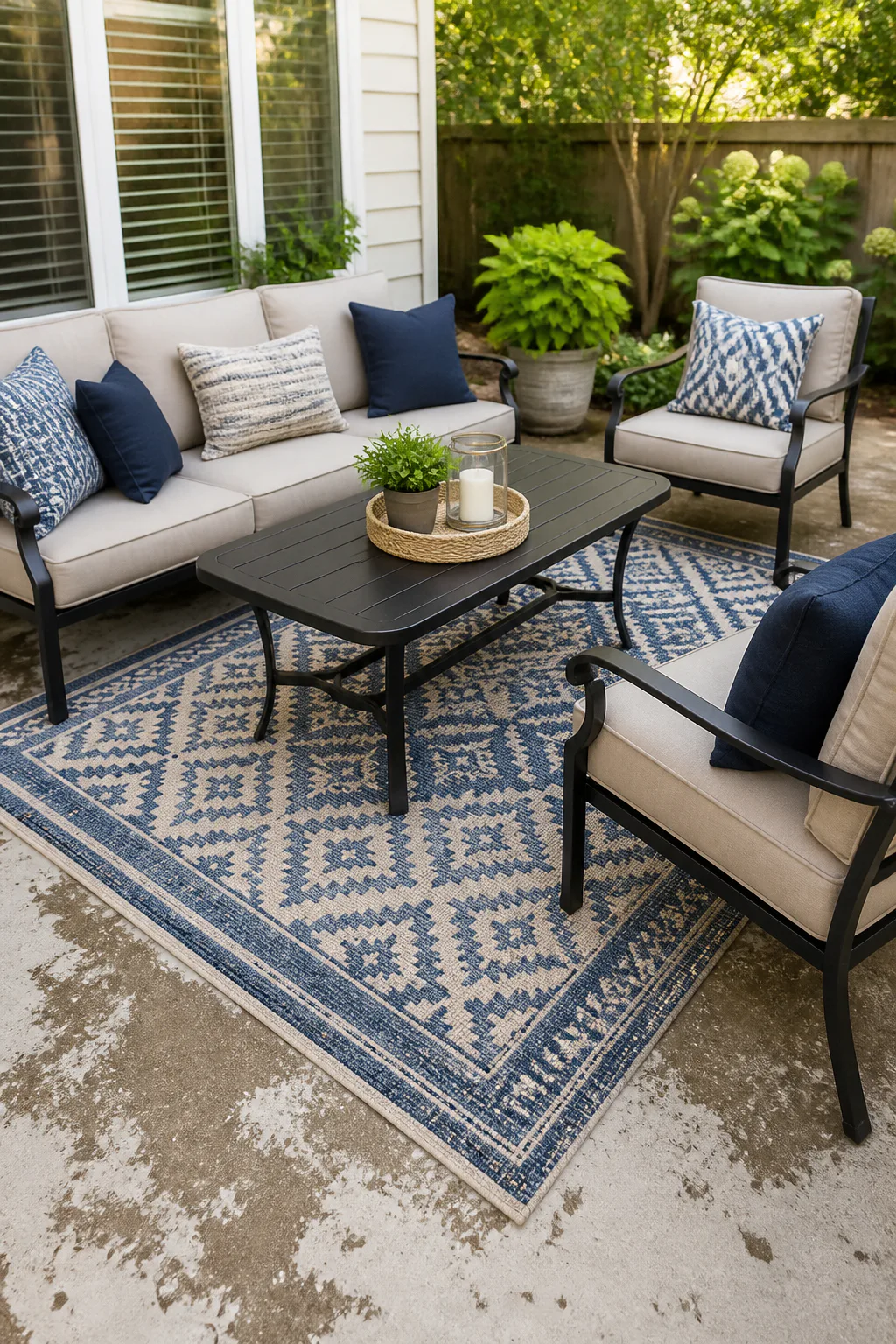
An outdoor rug can make a patio seating area feel like a room, especially when the concrete or deck beneath it looks worn. Placed under a table or chairs, it visually gathers the furniture and adds color or pattern without changing the permanent surface. This is one of the simplest ways to make a backyard feel more finished.
Choose a rug intended for outdoor use and sized to suit the furniture. A rug that is too small can make the seating arrangement feel disconnected, while one that allows chair legs to remain on the surface is often more practical for dining.
Make the rug work outdoors
Consider how much sun and rain the area receives, and plan to lift or clean the rug as needed. A rug pad or another appropriate nonslip solution can help keep it in place on a smooth patio.
- Measure the seating area before choosing a rug size.
- Pick a pattern that complements cushions and planters.
- Check care instructions and allow the rug to dry when wet.
- Keep edges flat to reduce tripping and curling.
A well-sized rug can bring an outdoor seating arrangement together with minimal effort.
12. Create a Pallet or Cinder Block Daybed
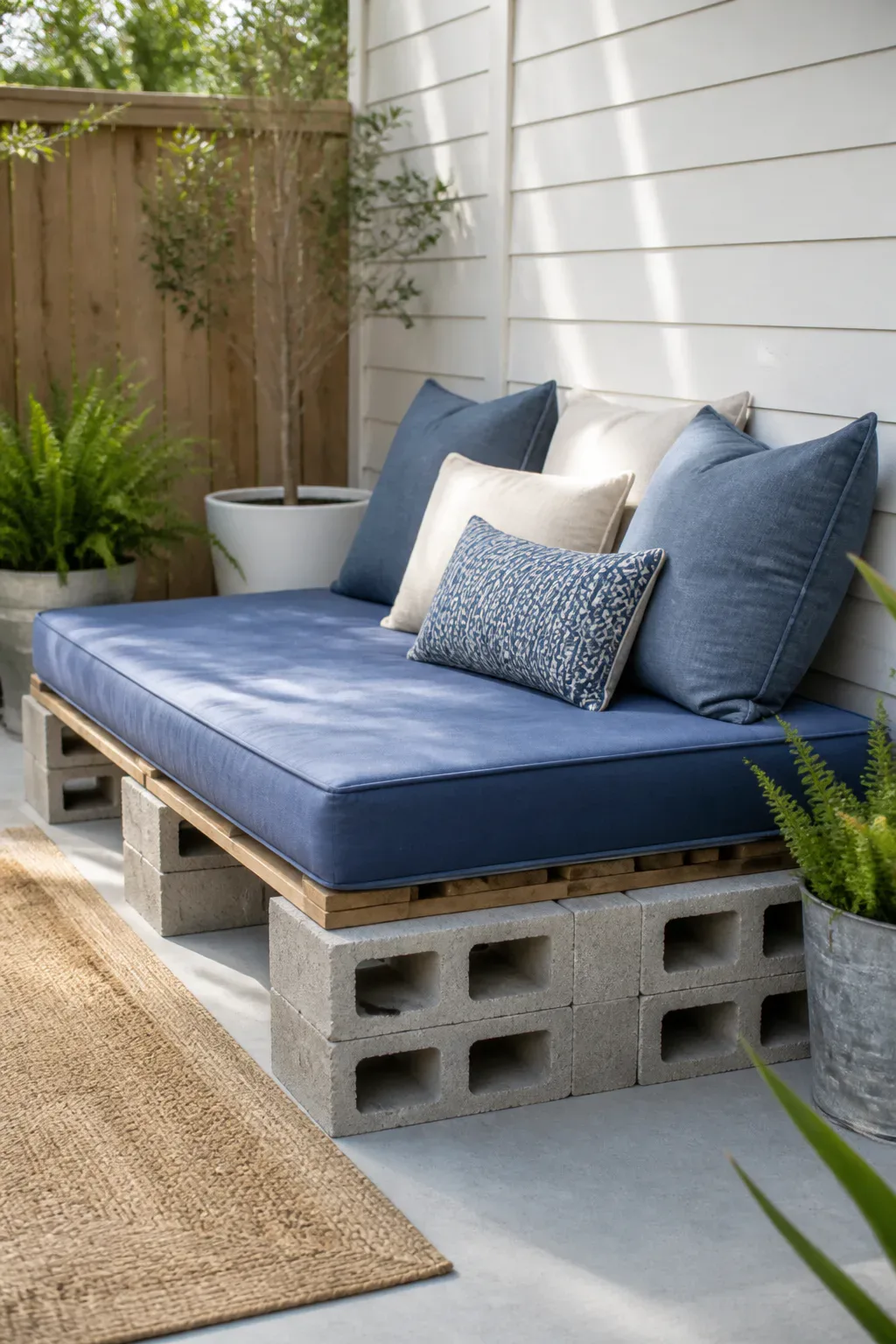
A simple lounge base made from pallets or cinder blocks can create a relaxed place to stretch out without buying a full outdoor daybed. Set it on a level area of the patio or in a sheltered corner, then add cushions sized to fit the base. The result can work as a reading spot, a place to nap, or extra casual seating.
Stability and comfort are the priorities. Use clean, sound materials, secure the structure appropriately, and avoid placing it where shifting ground or water runoff could make it uneven. Cushions designed for outdoor use are easier to care for, but storing them when not in use can extend their life.
Build a comfortable lounge spot
Measure the available space and decide whether the base should be a single seat or long enough for lounging. Smooth rough edges and check the finished structure before adding weight.
- Inspect pallets or blocks for damage and instability.
- Use a level, firm surface for the base.
- Secure stacked materials so they cannot shift during use.
- Add washable outdoor cushions and a few supportive pillows.
A handmade daybed can become a favorite backyard retreat when it is sturdy, comfortable, and easy to maintain.
13. Design a Garden with Starter Plants

Starting with seedlings, smaller perennials, or seeds makes it easier to build a garden gradually. Rather than trying to fill every bed at once, you can begin with a few plants suited to your conditions and add more as your budget and time allow. This phased approach also gives you a chance to learn what grows well in your yard.
Plan the bed around mature plant sizes, not just the small pots you bring home. A simple mix of heights and textures can look considered even while plants are young, and mulch can help the area feel finished as the garden fills in.
Grow the planting over time
Begin with a clear layout and choose plants that share similar light and watering needs. Seeds can be an economical option, while starter plants offer a head start; either way, follow the care guidance for the varieties you select.
- Check sunlight, soil, and drainage before choosing plants.
- Leave room for each variety to reach its mature size.
- Use seeds, seedlings, and small perennials to suit your timeline.
- Add new plants in planned groups rather than scattering them randomly.
A garden built in stages can feel rewarding and cohesive without requiring a large one-time purchase.
14. Style a Thrifted Bistro Seating Nook

Secondhand chairs, stools, or a metal bistro set can give a backyard a useful seating spot for less than buying everything new. Look for sturdy pieces with a shape you like, then refresh them with outdoor-appropriate paint if the finish is worn. A small set can fit on a patio, balcony, or tucked-away corner of a larger yard.
Check the furniture carefully before bringing it home. Rust, loose joints, cracked seats, or unstable legs may require more work than a quick cosmetic update, so make sure the pieces can be made safe and comfortable. A small table and a planter can help the nook feel intentional.
Refresh secondhand finds
Clean and prepare each surface before painting, and choose a finish suited to the material and outdoor use. Test the arrangement in the yard before committing to a color scheme or adding accessories.
- Inspect joints, legs, and surfaces for damage or wobbling.
- Clean furniture thoroughly before applying a new finish.
- Use paint or spray paint designed for the material and exterior conditions.
- Add cushions or a small side table for everyday comfort.
A thoughtfully refreshed set can turn an overlooked corner into a charming place for coffee or conversation.
Frequently Asked Questions
What is the cheapest way to make a backyard look nice?
Tidy and edge the lawn, add mulch or gravel to bare patches, then hang string lights and group a few planters near the seating.
How can I get backyard privacy on a budget?
Tall potted grasses, lattice with climbing plants, outdoor curtains or a reed screen are all cheaper than a full fence.
Is a gravel patio cheaper than pavers?
Usually, yes. Gravel costs less per square foot and is easier to install yourself, though it needs edging to stay in place.
Final Thoughts
Creating a backyard you enjoy does not require tackling every project at once. Start with the change that would make the biggest difference to how you use the space, whether that is a defined patio, evening lighting, shade, or a comfortable place to sit.
Keep the layout, climate, and maintenance needs of your yard in mind as you choose materials and plants. A few practical updates can make the space feel more welcoming now, while leaving room to add new ideas over time.
More backyard ideas: see our backyard fire pit ideas and small patio decorating ideas.



