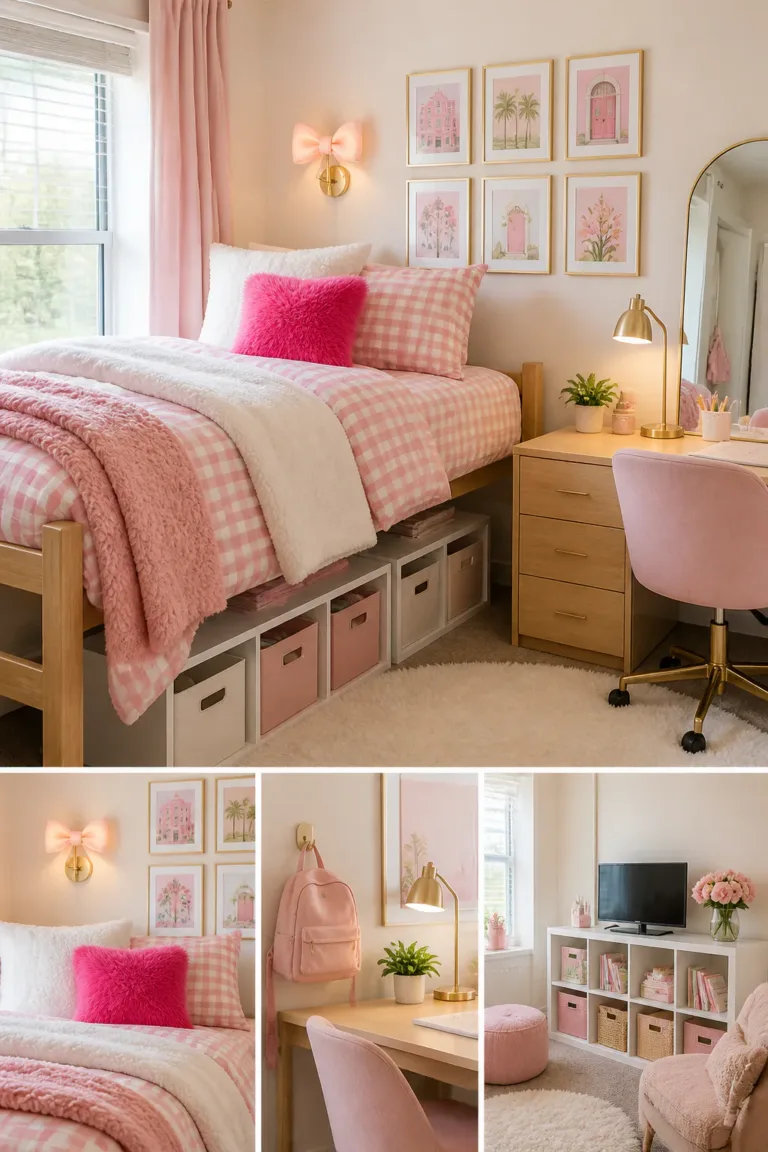
13 Stunning Bedroom Ideas for a More Stylish, Comfortable Space
A bedroom can feel more considered without a full renovation. Often, a few thoughtful choices—a softer bed shape, layered lighting, tactile bedding, or a more personal display—are enough to shift the mood and make the room work better day to day.
These bedroom ideas cover a range of styles, from calm sage color drenching to warm brown-and-cream bedding. Each one can stand on its own, or you can combine a few that share a palette or material to create a more cohesive look.
Whether you’re refreshing a primary bedroom, making a guest room more inviting, or working with a compact space, use the suggestions as a starting point. Adapt the scale, colors, and layout to suit your room, and prioritize the changes that will make it more comfortable for you.
1. Add a Curved Upholstered Headboard
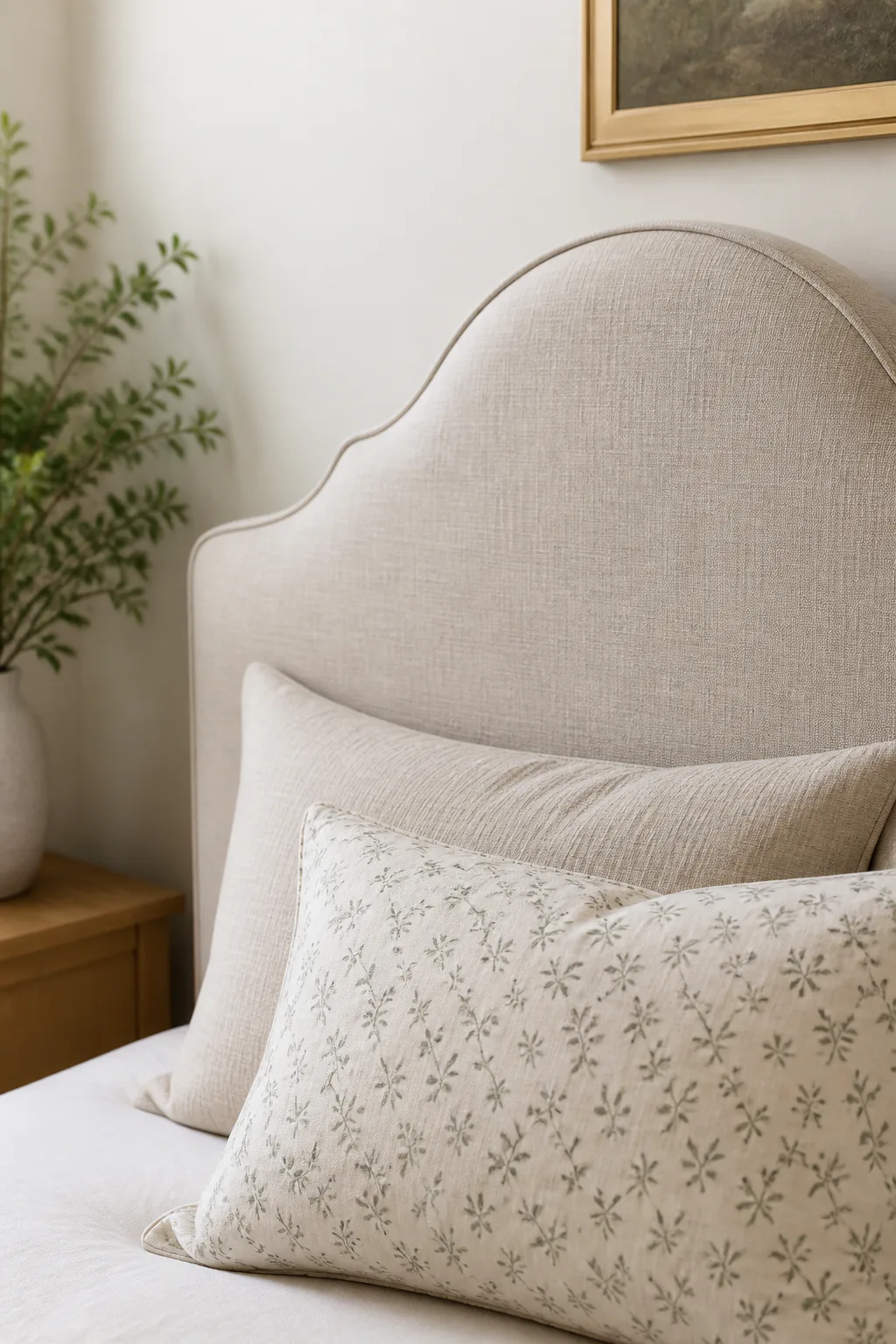
A rounded, camelback, or scalloped headboard gives the bed a softer silhouette than a straight-edged design. Upholstery in linen or textured cotton adds a tactile layer, making the bed feel welcoming while helping it stand out as the room’s main feature.
This shape works especially well in a room with lots of sharp lines, such as a rectangular bed frame, square nightstands, or simple window trim. In a smaller bedroom, a low-profile curve can add character without feeling visually heavy; a taller headboard can bring presence to a larger room.
How to make the shape work
Keep the surrounding details simple enough for the headboard to read clearly. Choose a fabric that relates to your bedding or curtains, but don’t worry about matching them exactly.
- Use a gentle curve for a relaxed, understated look.
- Try a scalloped edge when you want a more decorative focal point.
- Balance upholstery with wood, metal, or woven accents nearby.
A curved headboard is a useful starting point when you want the bedroom to feel softer without changing the entire layout.
2. Create a Window-Side Reading Nook

A quiet corner by the window can become a comfortable spot to read, sip coffee, or pause before bed. A compact chaise, accent chair, or plush ottoman gives the room a second purpose while making use of an area that might otherwise feel unfinished.
Choose a seat that leaves a clear path around the bed and does not block the window or its access. In a small bedroom, an ottoman or narrow chair can provide a cozy retreat without taking up as much floor space as a chaise. A larger room may have room for a chair with a small side table.
Make the nook inviting
Comfort comes from the details as much as the furniture. Consider the way natural light falls during the day, and add a lamp for reading after sunset.
- Pick a seat with a scale that suits the corner.
- Add a soft cushion or throw for extra comfort.
- Use a small table or basket to keep a book close at hand.
- Choose a floor or table lamp if the nook needs evening light.
A simple reading nook can make a bedroom feel more personal without competing with the bed as the room’s focal point.
3. Pair Asymmetrical Statement Nightstands
Matching nightstands can make a bedroom feel orderly, but they aren’t the only way to frame a bed. Pairing different side tables—such as a sculptural stone table on one side and warm walnut on the other—creates an intentional, collected look.
The key is to give the pieces something in common so the contrast feels considered. Similar height, a shared color note, or complementary shapes can tie different materials together. This approach is especially useful when the room has an off-center window, a doorway near the bed, or other features that make perfect symmetry difficult.
Balance the mismatched look
Think about how each table will be used before choosing its shape. A drawer or shelf may be useful on the side where you keep books, while a smaller sculptural table can work where space is tight.
- Keep the tabletops at a comfortable height beside the mattress.
- Repeat one finish or color elsewhere in the room.
- Use lamps or accessories to visually connect the two sides.
- Leave enough surface area for everyday items.
Different nightstands can add personality while still making the bed feel grounded and thoughtfully arranged.
4. Color-Drench the Bedroom in Sage

Painting the walls, baseboards, and ceiling in one muted sage shade creates a seamless, enveloping effect. Rather than drawing attention to every boundary, the continuous color lets the room feel calm and unified, with the bed and furnishings providing contrast.
Sage can read as restful and grounded, especially when paired with natural wood, warm white linens, or woven textures. The effect suits a bedroom where you want a gentle wash of color rather than a strong accent wall. In a room with simple trim, carrying the shade across the woodwork and ceiling can make the finish feel especially intentional.
Build a layered palette
Test the shade in the room before committing, since daylight and lamplight can change how a muted color appears. Use variations in texture to keep the space from feeling flat.
- Pair sage walls with cream or oatmeal bedding.
- Add wood furniture for warmth and contrast.
- Use a lighter or deeper green in small accents if desired.
- Keep the ceiling and trim in the same shade for a wrapped effect.
Color drenching works best when the rest of the room supports the serene mood rather than competing with it.
5. Style a Brown-and-Cream Bed

Chocolate or caramel accents bring depth to crisp white linens, creating a bed that feels both fresh and warm. The contrast gives the bedding definition without relying on bold color, making this palette easy to adapt to modern, rustic, or classic rooms.
Start with a light base, then introduce brown through a quilt, throw, cushion, or upholstered headboard. A mix of shades can keep the arrangement from feeling too uniform: deeper chocolate adds richness, while caramel and tan soften the overall effect. Natural wood furniture can echo the palette and help the bed feel connected to the rest of the room.
Layer the contrast
Spread the darker accents across the bed rather than clustering them in one spot. A brown throw at the foot of the bed and a coordinating cushion near the pillows can create a relaxed, balanced arrangement.
- Use white or cream sheets as a clean foundation.
- Mix chocolate, caramel, and tan in small doses.
- Add a textured quilt or throw to give the colors depth.
- Repeat a warm brown tone in a nearby wood or decor detail.
This combination brings a cozy, grounded feel while keeping the bed light enough to suit a range of room styles.
6. Layer Tonal Prints Across the Bed

Mixing prints can make a bed feel collected and full of character, as long as the patterns share a cohesive color family. A block-print quilt, floral shams, and paisley pillows can sit comfortably together when they repeat related hues rather than competing for attention.
Varying the scale of the patterns helps each one stand out. A smaller, intricate print can complement a larger floral motif, while a quieter solid or textured layer gives the eye a place to rest. This idea works well in a bedroom that needs visual interest but doesn’t call for a dramatic change to the walls or furniture.
Keep the mix cohesive
Choose one color to repeat across the different pieces, then let the patterns vary in shape and scale. The result should look relaxed, not as if every item came from a matching set.
- Begin with two prints and add a third only if the bed feels balanced.
- Combine one larger-scale motif with smaller patterns.
- Repeat a shared color in the quilt, shams, or pillows.
- Use a solid sheet or throw to give the eye a visual pause.
Tonal prints bring personality to the bed while keeping the overall palette calm and easy to live with.
7. Dress the Bed in Textured Quilts and Throws

Texture adds softness and dimension even when the bedding stays within a simple color palette. A matelassé quilt, brushed wool layer, or chunky knit throw can make the bed look inviting and give it a more finished appearance.
Consider the weight and feel of each layer as well as its look. A lighter quilt may be comfortable for warmer nights, while a thicker throw can be folded at the foot of the bed for extra warmth when needed. Combining different surfaces—smooth sheets, a quilted cover, and a nubby throw—creates contrast without needing a busy print.
Layer with comfort in mind
Make the bed easy to use rather than piling on every texture at once. A few well-chosen pieces are often enough to create a cozy effect and keep the bedding manageable.
- Use a quilt as a lightweight top layer.
- Fold a wool or chunky knit throw at the foot of the bed.
- Mix smooth and textured fabrics for visible contrast.
- Choose colors that relate to the room’s existing palette.
Thoughtful texture makes the bed feel softer and more welcoming, whether the room is spare or richly layered.
8. Flank the Bed with Sculptural Table Lamps

A pair of substantial table lamps can make the bedside arrangement feel grounded and considered. Ribbed glass, alabaster, and ceramic bases bring sculptural interest to the nightstands, adding shape and texture even when the lamps are switched off.
Choose lamps that suit the scale of the bed and the available tabletop space. A large base can feel striking beside a generous bed, while a more compact shape may work better in a narrow room. Matching lamps create a sense of symmetry, but complementary forms or finishes can also look cohesive when the rest of the bedside styling is balanced.
Choose lamps for the room
Think about the light you need for reading as well as the visual effect. A shade that directs light comfortably and a bulb suited to a relaxed evening atmosphere can make the lamps useful every night.
- Look for bases with a tactile or distinctive finish.
- Check that each lamp fits safely on its nightstand.
- Use a coordinated pair for a more symmetrical look.
- Choose warm, comfortable light for winding down.
Sculptural lamps combine practical bedside lighting with the presence of a decorative feature.
9. Add a Soft Glow Beneath Floating Nightstands
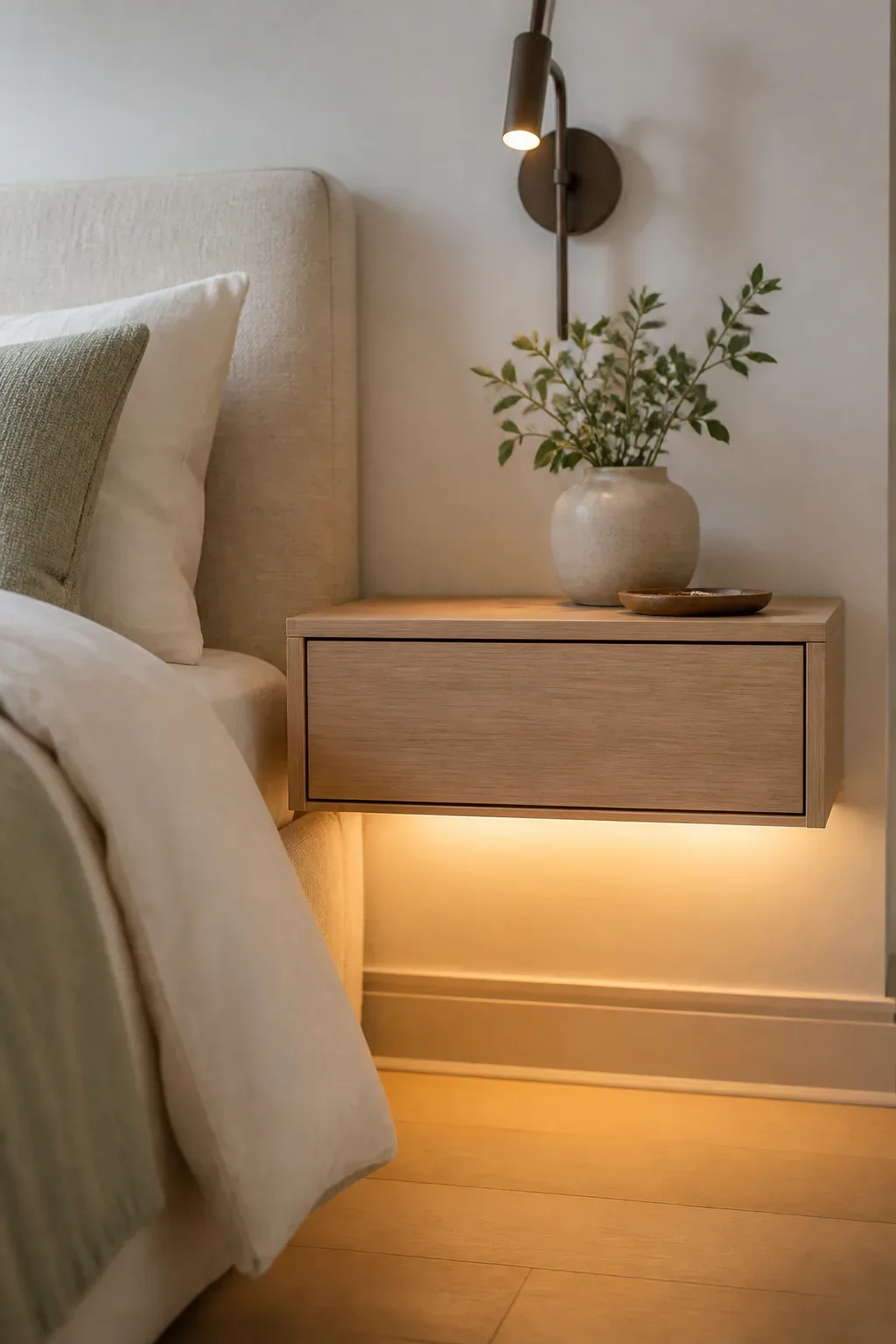
Warm LED lighting beneath a floating nightstand creates a gentle glow close to the floor. Paired with dimmable sconces, it adds layers of light around the bed without depending on a bright overhead fixture for every moment.
This approach is particularly suited to a contemporary bedroom with wall-mounted nightstands, but it can also work wherever the underside of a bedside table is visible. The low light can help the room feel calm in the evening, while sconces provide more focused illumination for reading. Keep the lighting warm and subtle so the effect feels restful rather than theatrical.
Plan the bedside lighting
Consider switches, cords, and how the light will be used before installing anything. If you’re adding lighting to an existing setup, make sure the placement doesn’t interfere with drawers, cleaning, or the nightstand’s support.
- Choose a warm tone for a softer evening atmosphere.
- Use dimmable sconces for adjustable bedside light.
- Position LED strips out of direct view where possible.
- Keep cords neat and safely routed along the wall or furniture.
Layered bedside lighting gives you more control over the mood while keeping the room comfortable and functional.
10. Hang an Oversized Waterscape Above the Bed
A large coastal scene or abstract horizon can turn the wall above the bed into a calm focal point. Waterscapes bring a sense of openness to the room, while a single generous canvas keeps the arrangement simpler than a cluster of smaller frames.
Choose a subject and palette that support the bedroom’s mood. Soft blues, muted greens, or earthy neutrals can relate to the bedding and wall color without requiring an exact match. Before hanging the artwork, consider the width of the headboard and the height of the ceiling so the piece feels appropriately scaled rather than crowded or disconnected.
Position the artwork thoughtfully
Center the canvas over the bed and leave enough breathing room between the art and the headboard. If you’re unsure about the scale, mark out the intended dimensions on the wall with removable tape before committing to a placement.
- Select one large piece for a clean, focused look.
- Repeat a color from the waterscape in a pillow or throw.
- Keep the frame simple if the artwork is already visually rich.
- Hang the piece securely and at a comfortable viewing height.
An oversized waterscape adds a restful point of interest without making the bedroom feel visually busy.
11. Build a Fluted Wood Accent Wall

Vertical fluted or slatted wood paneling behind the bed adds texture and architectural detail. Its linear pattern can give a plain wall more presence, making the bed feel anchored without depending on a strong paint color or a large collection of decor.
The wood tone influences the overall mood: lighter finishes can feel airy, while deeper tones bring warmth and weight. Consider how the paneling relates to the bed frame, flooring, and other wood elements so the wall feels connected to the room. A feature wall behind the headboard can be enough to create impact without carrying the detail around the entire bedroom.
Make the feature feel intentional
Think about panel spacing, the height of the treatment, and how it will meet the headboard and surrounding walls. A clean, well-planned edge helps the wall read as an architectural feature rather than an unfinished project.
- Use vertical lines to emphasize the room’s height.
- Choose a wood finish that complements existing furnishings.
- Keep nearby decor simple enough to show off the texture.
- Plan around outlets, switches, and any wall-mounted lights.
Fluted wood can bring depth and warmth to the bed wall while keeping the rest of the room relaxed.
12. Install a Curated Gallery Ledge
A slim picture ledge offers a flexible way to display prints, sketches, and framed memories. Unlike a fixed arrangement of wall art, a ledge makes it easy to swap pieces as your taste changes or as you find new items to include.
Place the ledge above a dresser or, if the layout allows, above the bed. A small group of frames can create a collected look, while a few carefully chosen pieces leave the wall feeling open. Varying frame sizes adds interest, and leaning the frames makes the display feel relaxed rather than overly formal.
Arrange art with flexibility
Keep the display edited so it doesn’t become a catchall shelf. Layer frames slightly, but make sure each piece is secure and that the arrangement is appropriate for its position in the room.
- Mix prints, drawings, and personal photographs.
- Repeat a frame finish or color to tie pieces together.
- Leave some open space so the ledge can breathe.
- Use the dresser ledge for objects that are easy to move and dust.
A gallery ledge lets the bedroom’s artwork evolve without requiring a new set of holes in the wall each time.
13. Choose a Floating Bed with Hidden Storage

A platform bed with concealed drawers can keep extra belongings tucked away while maintaining a visually light look. The floating effect helps the floor feel more open, and hidden storage can be especially useful when a bedroom has limited closet space.
Before choosing a frame, think through how the drawers will open in your actual layout. Nightstands, rugs, and narrow walkways can affect access, so measure the available space around the bed. Consider what you plan to store, too: bedding and seasonal items may need a different amount of room than everyday clothing.
Make storage easy to use
A bed only helps with organization if the storage is convenient to reach. Keep frequently used items in the most accessible drawers, and use simple organizers inside to stop smaller belongings from becoming difficult to find.
- Measure clearance on the sides where drawers will open.
- Choose a finish that feels light in the room.
- Store spare bedding or less-used items beneath the mattress.
- Keep pathways clear so the bed remains easy to access.
Hidden storage combines a cleaner-looking floor plan with a practical place for bedroom essentials.
Final Thoughts
Small, deliberate changes can make a bedroom feel more personal and comfortable. A curved headboard, a layered bed, or softer lighting can establish a mood, while a reading nook, gallery ledge, or hidden storage can make the room work better for everyday life.
Start with the idea that suits your space and routine, then build around it with complementary colors, materials, and lighting. You don’t need to use every suggestion; a few thoughtful choices can be enough to create a bedroom that feels restful and distinctly yours.